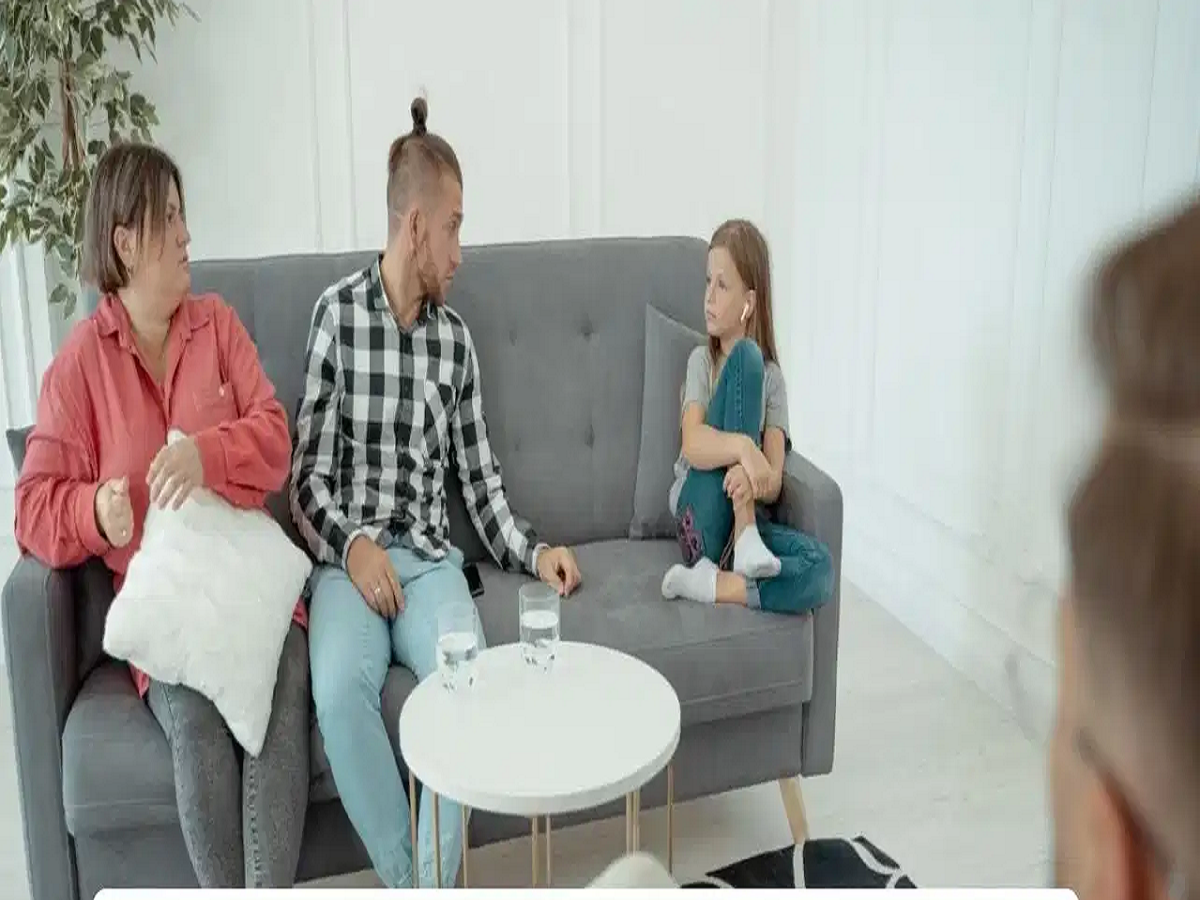
Every parent wants their child to grow into a confident, responsible and kind person. But parenting is not always easy, and certain habits can develop without parents realising how strongly they may affect a child's behaviour.
If your child has become unusually stubborn, avoids communication or struggles to make decisions independently, it may be worth looking at the way discipline and communication work at home.
Here are five common parenting patterns that may need attention.
1. Parents Frequently Disagree in Front of the Child
Children can become confused when one parent sets a rule and the other immediately overturns it.
For example, if a mother says no to something and the father immediately allows it—or vice versa—the child may learn to approach whichever parent is more likely to say yes. This can become even more complicated in joint families where grandparents and other relatives also intervene in parenting decisions.
Parents don't have to agree on everything, but discussing important rules privately and presenting consistent boundaries to the child can provide greater clarity.
2. Being Overprotective
Protecting children is natural, but excessive protection can sometimes prevent them from developing independence.
Parents may stop children from trying new activities because they are worried about injury, failure or mistakes. Over time, this can make children hesitant to take decisions or solve problems on their own.
Age-appropriate freedom allows children to learn through experience while still having parental guidance when they need it.
3. Making Rewards the Only Motivation
Offering occasional rewards can be useful, but constantly promising money, toys or gifts for completing everyday responsibilities may teach children to expect something in return for every task.
Instead, parents can also encourage children through appreciation, responsibility and recognition of their effort. This helps them understand that some activities are important because they are part of being responsible—not simply because there is a reward waiting.
4. Not Giving Children Enough Opportunity to Talk
Communication plays a major role in a child's development. If children are regularly interrupted, dismissed or immediately scolded whenever they try to explain themselves, they may eventually stop sharing things with their parents.
Make an effort to listen before reacting. Even when a child's behaviour needs correction, allowing them to explain what happened can help build trust and confidence.
5. Using Fear or Guilt to Control Behaviour
Threats, humiliation and excessive guilt may sometimes make a child obey immediately, but they do not necessarily teach them why a particular behaviour is wrong.
Instead of saying things designed to frighten or shame a child, parents can explain consequences clearly and set reasonable boundaries. Discipline works better when children understand expectations rather than simply fearing punishment.
Good Parenting Is About Balance
There is no single parenting style that works perfectly for every child. Children have different personalities, ages and needs, and parenting approaches may need to change as they grow.
The goal is not to be a perfect parent. Consistent boundaries, open communication, age-appropriate independence and emotional support can help create an environment where children feel both guided and heard.