LIFESTYLE
Is It Really Belly Fat? Why Your Bulging Stomach Might Actually Be a Warning Sign for These 5 Hidden Health Issues
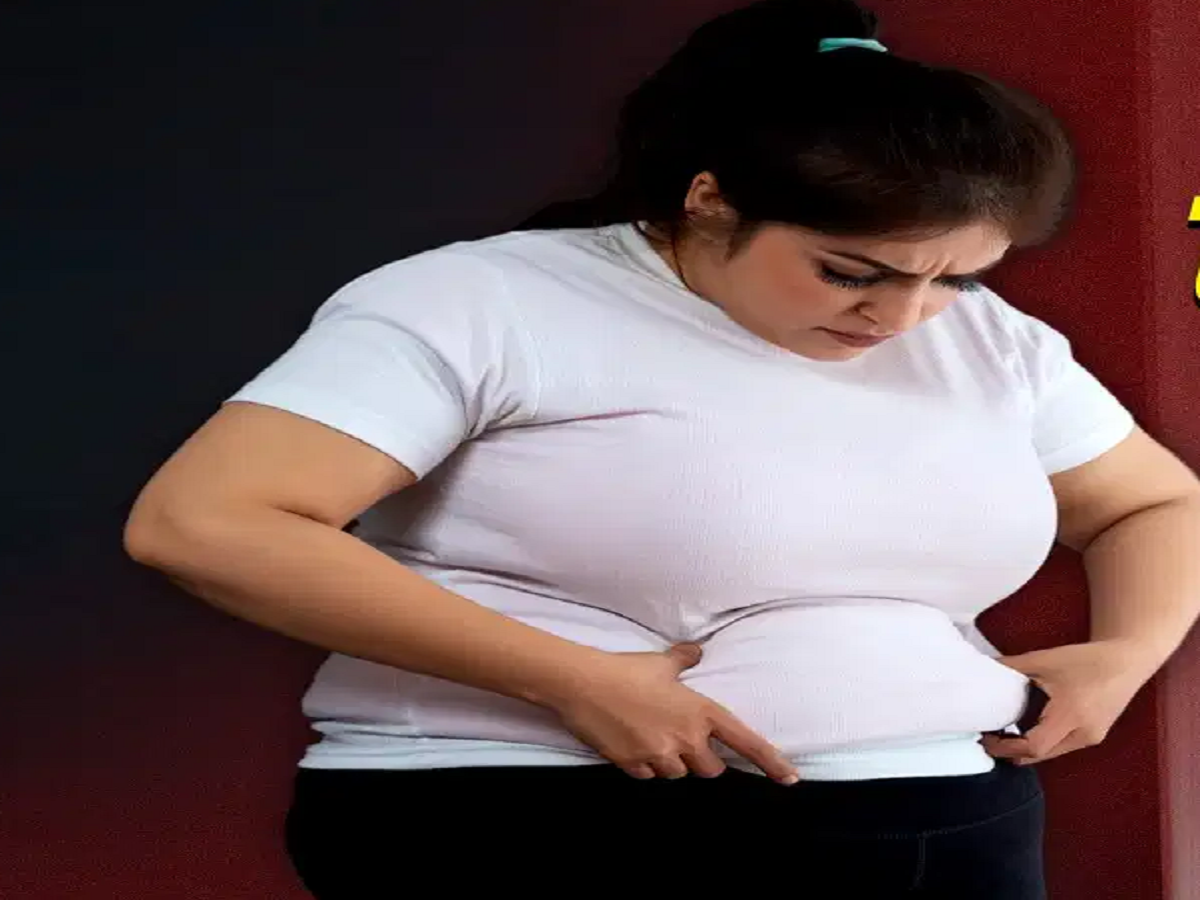
In today’s sedentary world, a expanding waistline is often quickly written off as simple weight gain. Millions of people hit the gym, start intense diets, or chug detox drinks under the assumption that they are just fighting stubborn visceral fat.
However, medical and fitness experts warn that a distended stomach isn't always caused by fat cells. The human body frequently signals internal distress through subtle physical changes, and a chronically protruding or firm belly can actually be a manifestation of underlying gastrointestinal issues, muscular damage, or metabolic imbalances. If your stomach suddenly feels heavier, changes shape throughout the day, or causes persistent discomfort, it's time to look closer.
The Signs Your Bulging Stomach Isn't Just Fat
According to leading health professionals and fitness trainers, true belly fat accumulates gradually and feels soft to the touch. If your symptoms align with the following patterns, you are likely dealing with a completely different physiological issue:
1. The Morning vs. Evening Shift (Severe Bloating & Gas)
If your stomach is relatively flat when you wake up but gradually swells up, becoming hard, tight, and uncomfortable by the evening, you are dealing with chronic bloating or abdominal pressure. This is typically triggered by poor digestion, systemic inflammation, food intolerances, or an imbalance in gut bacteria—not a sudden accumulation of fat tissue over a 12-hour period.
2. The Hard-to-the-Touch Stomach (Digestive Stress)
A layer of standard abdominal fat is generally pliable and soft. If your stomach feels physically hard, tense, or visibly distended immediately after eating, it is a primary indicator of severe gastrointestinal distress, poor motility, or heavy fluid and gas retention within the intestinal walls.
3. The Exercise Bulge (Core Pressure Malfunction)
Pay attention to how your abdomen behaves during physical exertion. If you notice your stomach wall forcefully pushing or bulging outward rather than staying engaged while lifting weights or performing core movements, it is a sign of improper intra-abdominal pressure management rather than excess weight.
4. Post-Pregnancy Bulge (Diastasis Recti)
Many women struggle with a postpartum stomach bulge that refuses to go away with standard dieting. Experts point out that this "pooch" is often caused by loose skin, damaged posterior fascia, or Diastasis Recti—a structural condition where the left and right abdominal muscles abnormally separate during pregnancy. Treating this requires targeted physical therapy to repair the core wall, not a calorie-deficit diet.
5. Hormonal and Metabolic Warning Signs
A sudden, localized increase in abdominal size accompanied by chronic fluid retention can also point toward more severe systemic issues, such as hormonal imbalances (like high cortisol or thyroid dysfunction) or sluggish liver function.
Why Standard Weight Loss Methods Keep Failing
The Dietary Trap
Relying on a diet that is chronically low in protein but heavily packed with refined carbohydrates creates a vicious cycle of blood sugar spikes and intense cravings. This nutritional imbalance actively drives systemic inflammation and worsens the exact digestive pressures that cause the stomach to swell in the first place.
If the root cause of your distended stomach is muscular separation or digestive inflammation, endless hours of cardio or regular fat-burning routines will not yield results. Resolving the issue requires a targeted approach: adjusting your macronutrient balance to include higher protein, restoring gut health to eliminate chronic gas, and performing specialized core-stabilization exercises to safely rebuild your abdominal wall from the inside out.