Iran-US Tensions Escalate: Tehran Warns of Retaliation as Hormuz Oil Route Comes Under Pressure
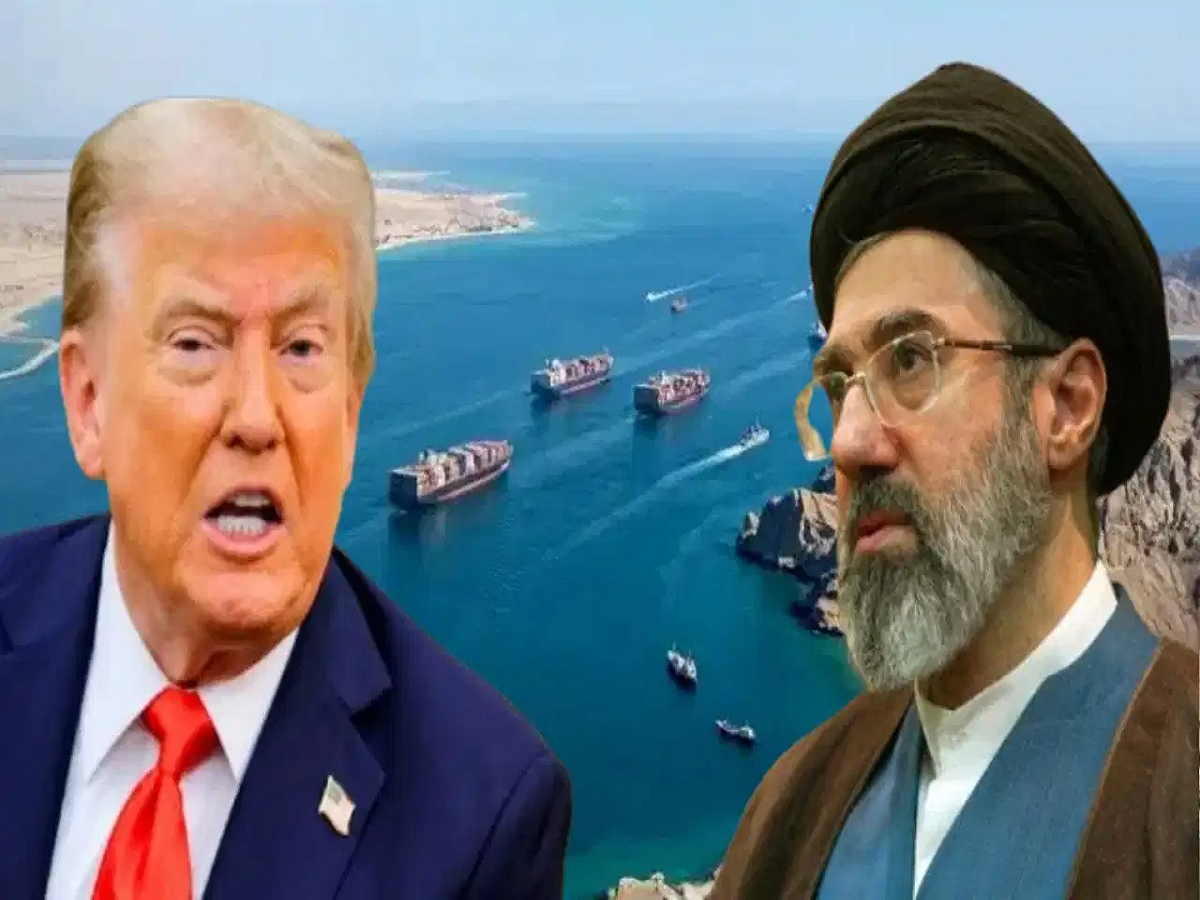
Tensions between Iran and the United States are rising again, with Tehran issuing strong warnings against countries that support Washington's latest economic measures. Iranian officials have warned that continued economic pressure could lead to restrictions on oil shipments through the Persian Gulf and the Strait of Hormuz.

The developments are being closely watched because the Strait of Hormuz is one of the world's most important energy routes. Any prolonged disruption could have consequences for global oil supplies and prices.

Iran issues a strong warning

Mohsen Rezaei, a senior Iranian security official, has warned that Iran could respond forcefully if the United States continues what Tehran describes as an economic war.

Rezaei also warned that countries supporting or participating in the US campaign against Iran could face serious consequences.

He indicated that Iran could take measures affecting oil transportation through the Strait of Hormuz and other routes in the Persian Gulf.

Why is the Strait of Hormuz so important?

The Strait of Hormuz connects the Persian Gulf with the Gulf of Oman and the Arabian Sea. It is a crucial route for international energy shipments.

A major disruption in the region could increase uncertainty in global oil markets. Countries that depend heavily on imported crude could potentially face higher costs if oil prices rise sharply.

This is why developments around the strait are being closely monitored by governments, shipping companies and energy markets around the world.

Shipping activity remains under pressure

Although no new attacks in the Strait of Hormuz were confirmed over the reported period, shipping activity has remained below normal levels.

The US military has also reported disruptions involving commercial vessels, while Iranian authorities have reportedly identified ships that they say violated rules for transit through the strait.

The situation remains fluid, and the extent to which shipping operations return to normal will depend heavily on developments between Washington and Tehran.

Pakistan steps in as tensions rise

Diplomatic efforts are also continuing alongside the confrontation.

Pakistan's Army Chief, Field Marshal Asim Munir, is expected to visit Tehran as part of efforts to encourage dialogue between Iran and the United States.

Pakistan has maintained relations with both sides and could potentially play a role in helping restart negotiations.

Whether these efforts produce meaningful talks remains uncertain, but diplomatic engagement could help prevent the situation from escalating further.

Iran says it does not want surrender

Iranian President Masoud Pezeshkian has also spoken about the possibility of maintaining a diplomatic path.

He described an existing agreement as a possible way forward from the current situation and rejected the idea that such an agreement would amount to surrender.

At the same time, Iranian officials continue to insist that the country's security and economic interests must be protected.

What could happen to oil prices?

The biggest concern for the global economy is the possibility of a prolonged disruption to oil transportation.

If the Strait of Hormuz were seriously disrupted, crude oil supplies could be affected, potentially pushing international oil prices higher.

Higher crude prices can have a wider impact because petroleum is linked to transportation, manufacturing, logistics and several consumer products.

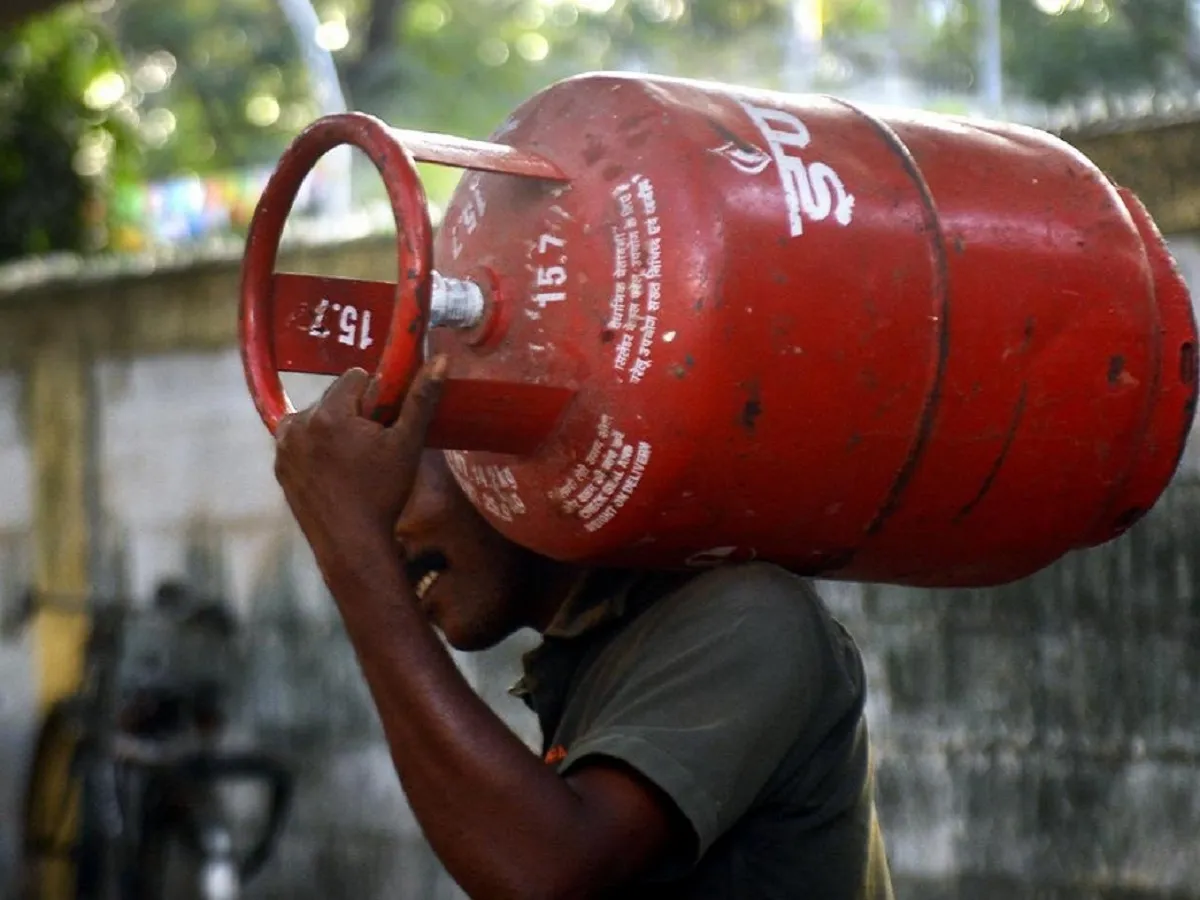
For countries such as India, which depend significantly on imported crude oil, a sustained increase in global oil prices could also increase pressure on fuel costs and the broader economy.

The situation remains uncertain

The latest developments show that tensions between Iran and the US remain serious, but diplomatic efforts are continuing at the same time.

The coming days will be important for determining whether the situation moves toward negotiations or another escalation. For global markets, the key factors to watch will be oil shipments through the Strait of Hormuz, US sanctions and Iran's response.