INTERNATIONAL
Iran Conflict Threatens Global Economy, IMF Warns of Rising Inflation and Slowing Growth
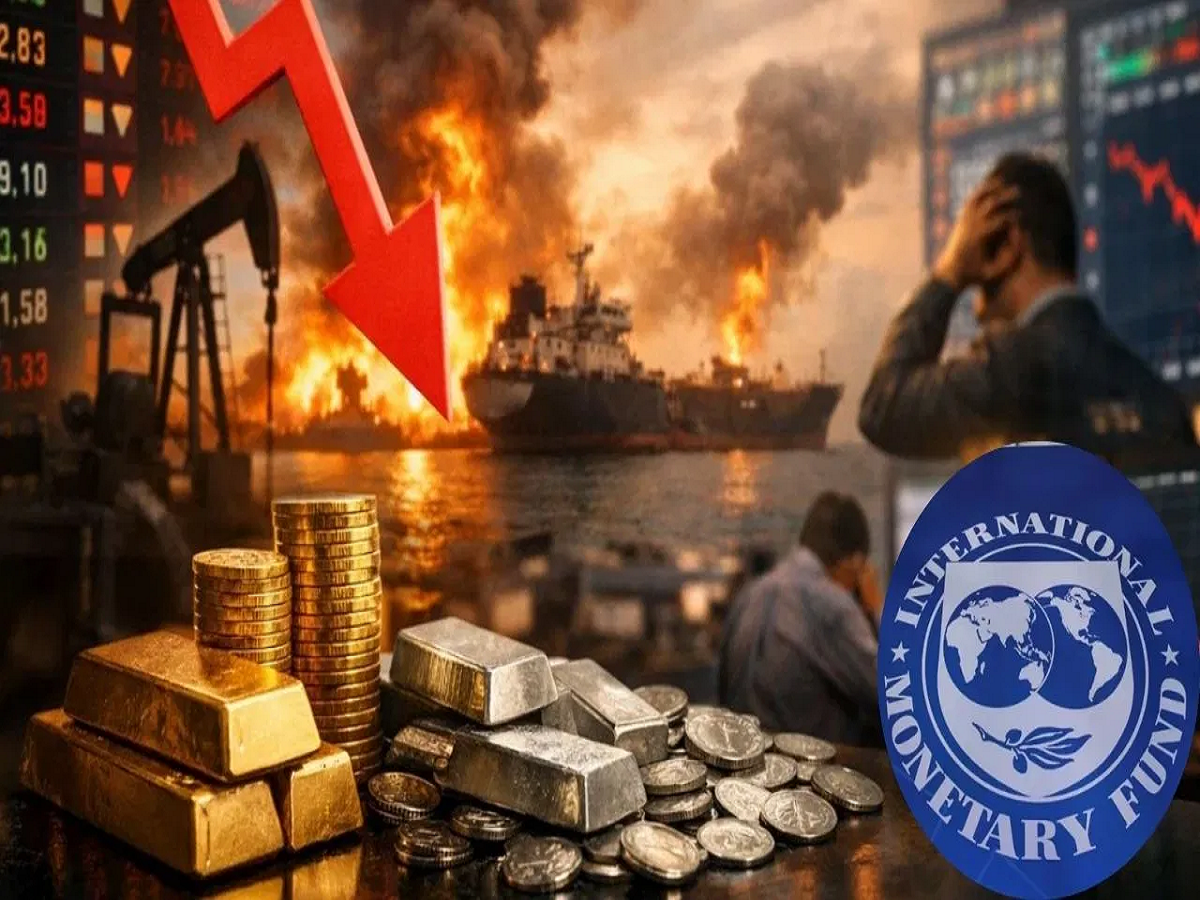
The ongoing conflict involving the United States, Israel, and Iran is beginning to exert significant pressure on the global economy, with the International Monetary Fund (IMF) cautioning that the situation could trigger higher inflation and slower economic growth worldwide.
Nearly a month into the conflict, disruptions in energy supplies have already driven up inflation in several countries. The IMF has warned that the economic consequences are no longer confined to the region but are spreading across global markets, affecting both advanced and developing economies.
In a recent analysis, IMF economists Tobias Adrian and Jihad Azour highlighted that the crisis is rapidly impacting energy, food, and financial systems. Central to these concerns is the Strait of Hormuz, a critical maritime route through which roughly 25–30 percent of the world’s oil supply and about 20 percent of liquefied natural gas (LNG) passes. Heightened uncertainty around the strait has pushed crude oil prices sharply higher, with Brent crude nearing $115 per barrel.
The IMF noted that the effects of the crisis will not be evenly distributed. Developing and low-income nations, particularly those heavily reliant on energy imports, are expected to bear the brunt of rising fuel costs and supply disruptions. Countries across Asia and Africa with limited fiscal capacity may face mounting economic stress, while energy-exporting nations could see short-term gains.
Beyond energy markets, the الأزمة is also affecting the global food system. Increased fuel costs and disruptions in fertilizer supplies from Gulf nations are driving up agricultural production expenses. This, in turn, is likely to elevate food prices and put additional strain on vulnerable populations.
The IMF underscored that food inflation poses a particularly severe risk in low-income countries, where households spend approximately 36 percent of their income on food, compared to about 9 percent in wealthier nations. Sustained increases in food prices could heighten the risk of social and political instability in these regions.
The report further warned that prolonged conflict could destabilize inflation expectations globally, potentially leading to a cycle of rising wages and prices. Such a scenario would complicate efforts by central banks to control inflation while maintaining economic growth.
According to the IMF, the overall impact will largely depend on the duration and intensity of the conflict. A short-lived الأزمة may limit economic damage, but a prolonged or escalating situation could significantly derail the fragile global recovery.
The Fund stated that it is closely monitoring developments and will provide a more comprehensive assessment in its forthcoming reports. Its message remains clear: while the conflict is regional in origin, its economic repercussions are global, with the most vulnerable economies facing the greatest risks.