BIZARRE
Interesting Facts: Do You Know Why LPG Cylinders Have Small Holes at the Bottom? Most People Don’t
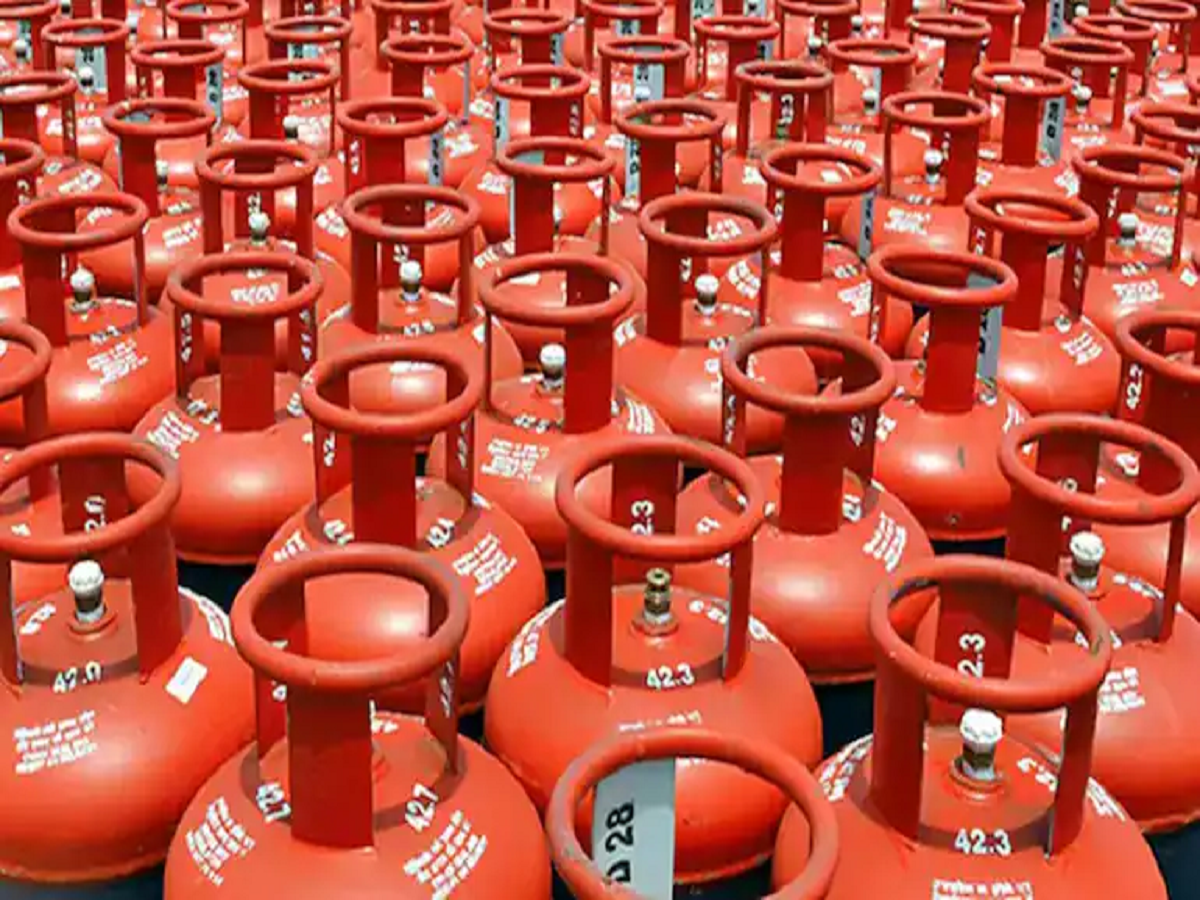
We come across many household items every day, from kitchen appliances to bathroom fittings, but rarely do we pause to notice the small design details that play a crucial role in safety and durability. One such everyday object is the LPG gas cylinder used in kitchens across India. While most people focus on the valve and regulator at the top, very few notice the small holes at the bottom of the cylinder—and even fewer understand why they exist.
Contrary to popular belief, these holes are not part of the design for decoration or manufacturing convenience. Instead, they serve multiple important purposes related to safety, ventilation, moisture control, and long-term durability. This lesser-known fact has been gaining attention on social media, surprising many users who had never noticed this feature before.
What Is Inside a Domestic LPG Cylinder?
A domestic gas cylinder is filled with Liquefied Petroleum Gas (LPG), a mixture primarily made up of propane and butane. This gas is stored under pressure in liquid form and is widely used for cooking in Indian households.
A standard domestic LPG cylinder in India:
-
Weighs around 14.2 kg (gas content)
-
Is made of high-strength steel or iron
-
Usually comes in red, blue, or sometimes white colors
-
Is designed to withstand high pressure and temperature variations
Each part of the cylinder—from its color to its shape—is carefully engineered to ensure safety.
Why Are Most LPG Cylinders Red in Color?
If you look closely, most LPG cylinders are painted red. This is not accidental.
-
Red is universally associated with danger or caution, which is appropriate for a highly flammable substance like LPG
-
The bright color makes the cylinder easily visible even from a distance, helping with identification during storage, transport, or emergencies
This color choice itself is a safety feature, just like the holes at the bottom.
The Real Reason Behind the Holes at the Bottom of the Cylinder
The small holes found at the base of an LPG cylinder are designed with multiple safety and maintenance objectives in mind.
1. Preventing Moisture Build-Up and Rust
When a cylinder is placed on the floor, especially in kitchens or storage areas, moisture can accumulate underneath it. Over time, this trapped moisture can lead to rusting, which weakens the metal body.
The holes allow air circulation, ensuring that moisture dries quickly instead of remaining trapped. This helps prevent corrosion and increases the cylinder’s lifespan.
2. Allowing Proper Air Circulation
Good ventilation around the cylinder is essential. The bottom holes ensure that air continues to flow freely, even when the cylinder is placed flat on the floor. This reduces the chances of dampness and overheating.
Proper airflow also helps maintain the structural strength of the cylinder, especially in humid regions.
3. Helping Control Temperature and Pressure
During hot weather, the internal pressure of the LPG cylinder can increase due to rising temperatures. While the cylinder itself is designed to withstand high pressure, external heat and trapped moisture can add stress to the metal body.
The holes help keep the base cool by allowing airflow, which indirectly supports temperature regulation and reduces long-term pressure-related damage. This small design detail contributes to lowering the risk of accidents.
4. Reducing the Risk of Structural Damage
Rust and corrosion are silent threats. A weakened cylinder body increases the risk of leaks or failures over time. By preventing moisture retention and allowing ventilation, these holes help maintain the cylinder’s strength, reducing the chances of dangerous situations such as gas leaks or explosions.
5. Making Cleaning Easier
Another practical benefit of these holes becomes visible during cleaning. When cylinders are washed or cleaned with water:
-
The holes allow water to drain out easily
-
No water remains trapped at the base
-
The cylinder dries faster and more evenly
This prevents long-term water retention, which could otherwise accelerate rusting.
A Thoughtful Design Focused on Safety
Different gas companies may design these holes slightly differently, but the core purpose remains the same—to ensure safety, durability, and ease of maintenance. These holes may seem insignificant, but they are the result of careful engineering aimed at protecting users.
Final Thoughts
The next time you see an LPG cylinder in your kitchen, take a moment to look at its base. Those small holes are a reminder that even the simplest household items are built with hidden safety features that often go unnoticed.
Understanding such details not only increases awareness but also helps us appreciate the importance of thoughtful design in everyday life. Sometimes, it’s the smallest features that make the biggest difference.
Disclaimer: Always follow official safety guidelines issued by gas providers and never attempt to modify or tamper with an LPG cylinder.