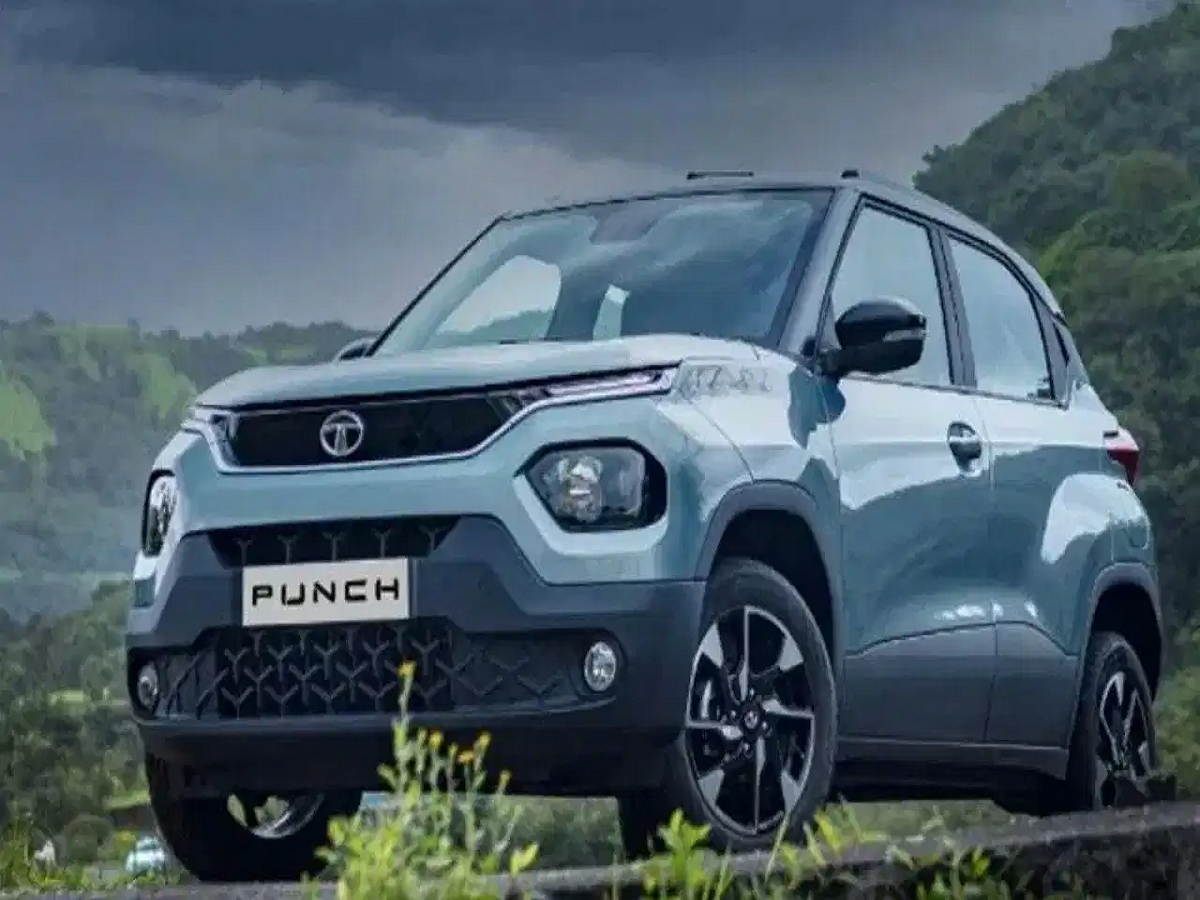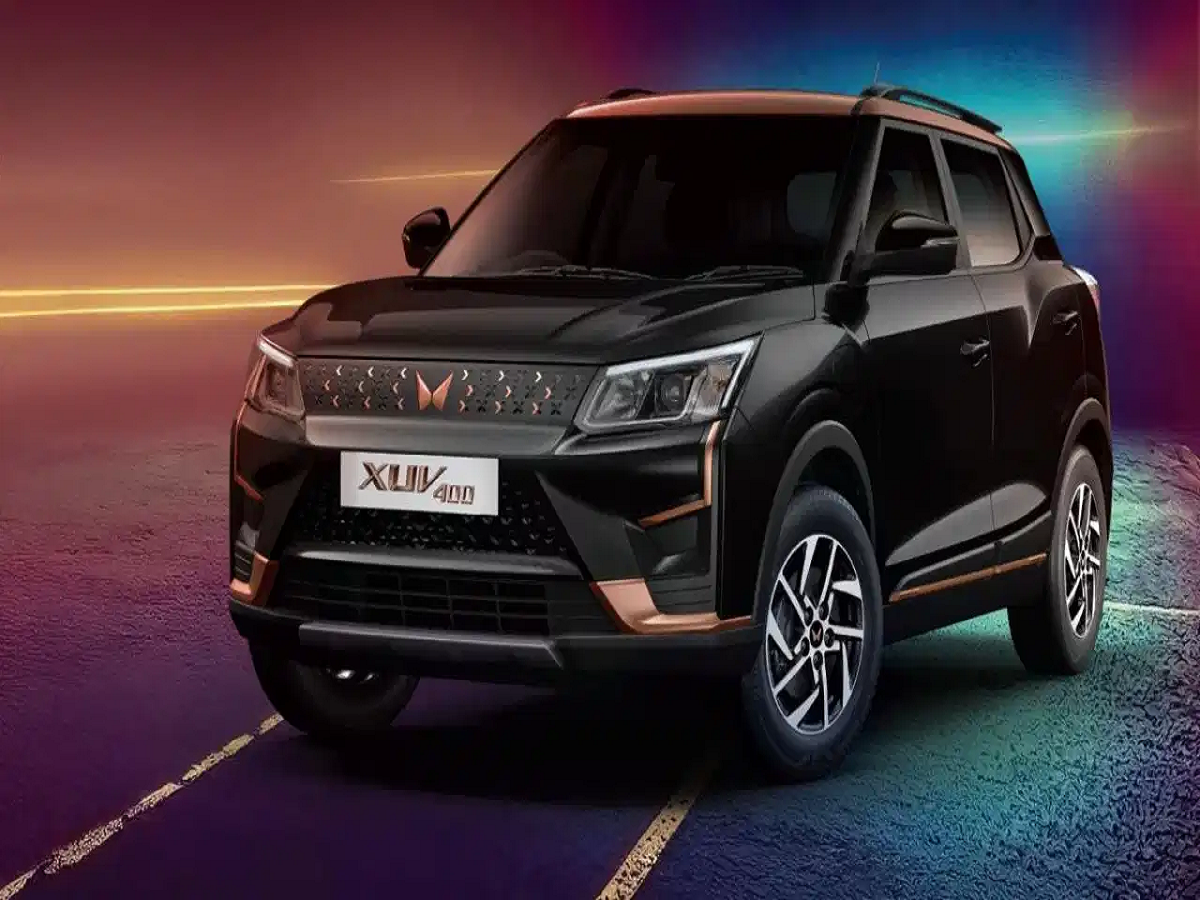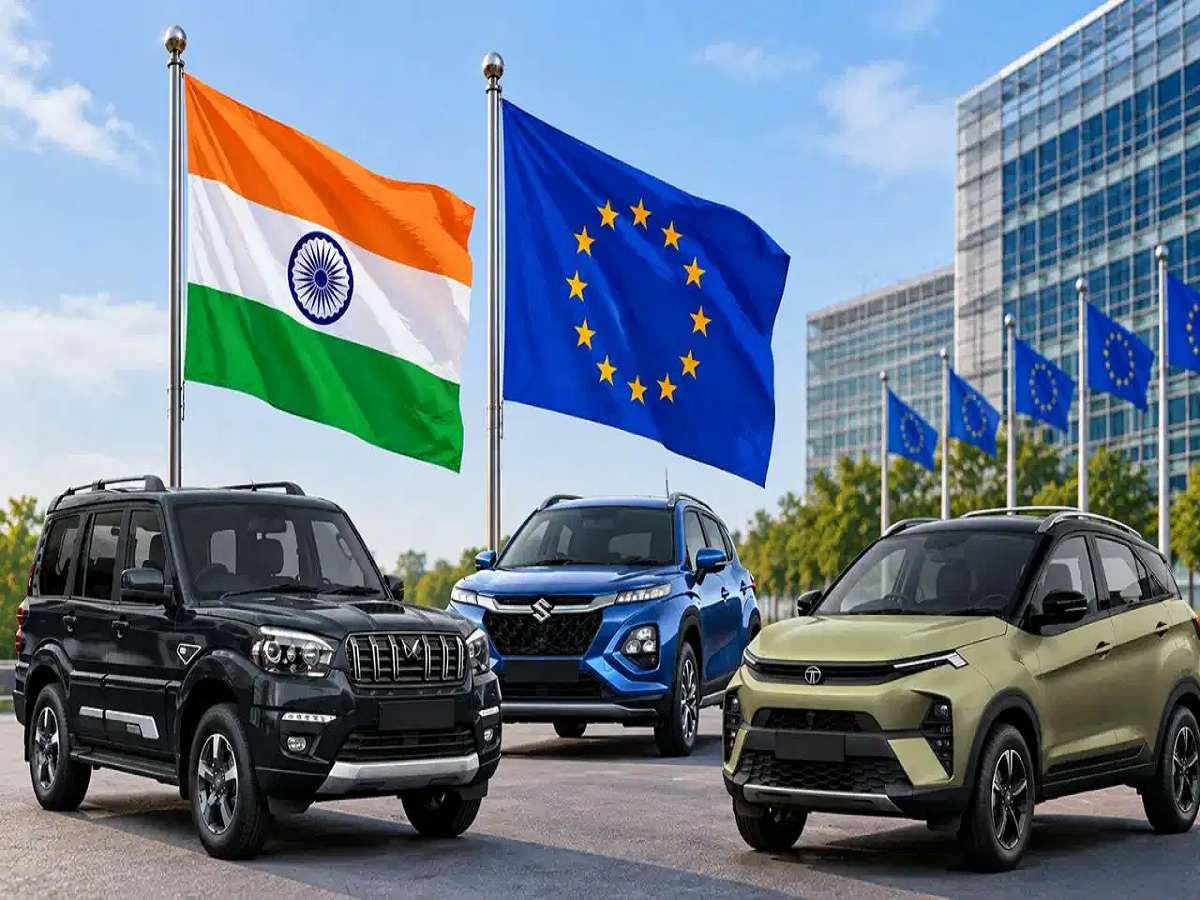
Indian automakers could get a major opportunity to expand their presence in the European market following the proposed India-EU Free Trade Agreement (FTA).
The draft agreement includes a preferential duty structure that could make it significantly cheaper to export Made-in-India cars to Europe. The deal was agreed upon in principle on January 27 this year and is expected to be signed by the end of 2026, with implementation potentially beginning in 2027.
The agreement could benefit not only the automobile industry but also Indian farmers and food-processing companies looking to expand their exports to Europe.
Up to 2.5 lakh Indian cars could enter Europe at lower duty
Under the proposed arrangement, the EU would allow up to 250,000 Indian cars per year to enter its market under a concessional duty structure.
Initially, eligible petrol, diesel and hybrid vehicles priced up to €50,000 CIF would attract an import duty of just 8%. CIF refers to the value including the vehicle's cost, insurance and freight.
The preferential duty would then gradually decrease:
-
Year 1: 8%
-
Year 2: 6%
-
Year 3: 4%
-
Year 4: 2%
-
Year 5: 0%
By the 10th year, the annual quota could increase to 400,000 vehicles.
Cars exported beyond the agreed quota would continue to be subject to the applicable Most Favoured Nation (MFN) duty rates.
What about expensive luxury cars?
The proposed agreement also includes a long-term duty reduction for vehicles priced above €50,000.
These vehicles would initially face an 8% duty, which would gradually decline and reach zero by the 10th year.
This could eventually make European markets more accessible even for Indian manufacturers producing higher-priced vehicles.
Separate rules proposed for electric vehicles
Electric vehicles would have a separate quota and duty structure under the proposed agreement.
For battery electric vehicles (BEVs) priced up to €40,000, a quota of 27,500 vehicles has been proposed from the fifth year, with an 8% duty at that stage. The quota could increase to 125,000 vehicles by the 14th year.
For EVs priced between €40,000 and €60,000, a quota of 16,250 vehicles has been proposed for the fifth year.
For electric vehicles priced above €60,000, the proposed fifth-year quota stands at 6,250 vehicles.
The preferential duties for these EV categories are also scheduled to be phased out over time, with the relevant categories reaching zero duty under the proposed timeline.
Indian agricultural products could also benefit
The proposed FTA isn't limited to automobiles. Indian agricultural and food-processing businesses could also gain better access to the European market.
The agreement includes concessions for products such as grapes, dried onions, cucumbers and jaggery-based ghee.
For ghee, the proposal includes an annual quota of 1,000 metric tonnes, with a potential customs-duty reduction of up to 50% of the base rate.
This could create additional opportunities for Indian dairy and agricultural exporters looking to increase their presence in Europe.
A potentially major opportunity for Indian exporters
If implemented as proposed, the India-EU FTA could give Indian manufacturers and exporters a more competitive position in one of the world's major markets.
For the automobile industry, lower import duties could make Indian-made vehicles more attractive to European buyers, while the agreement could simultaneously open new opportunities for Indian agricultural and processed-food exports.
However, the proposed duty structures and quotas will only take effect once the agreement is formally signed, ratified and implemented. Until then, the terms could still be subject to finalisation.
For Indian automakers, EV manufacturers, farmers and exporters, the proposed agreement could therefore become an important step toward expanding India's footprint in the European market.