BUSINESS
GST 2.0 Shake-Up: From Parle-G to Chocolates, Prices Drop but Change Shortage Creates Payment Hassles

With the rollout of GST 2.0, India’s FMCG (Fast-Moving Consumer Goods) sector is witnessing visible price cuts across popular products. The updated tax structure has prompted companies to reduce the maximum retail price (MRP) on small, high-demand packs of biscuits, chocolates, toffees, and shampoos. While this may sound like good news for consumers, it has also triggered an unexpected challenge — managing exact payments at retail counters.
Price Cuts Across Everyday Items
Several household names have already slashed prices to pass on GST 2.0 benefits. For instance:
-
The smallest pack of Parle-G biscuits, once priced at ₹5, is now available at ₹4.45.
-
A ₹1 toffee is now selling at 88 paise.
-
A ₹2 shampoo sachet has dropped to ₹1.77.
Global FMCG players like Mondelez have also revised their product tags. Popular items such as Bournvita (₹30 to ₹26.69), Oreo (₹10 to ₹8.90), and 5 Star chocolate (₹20 to ₹17.80) are now cheaper, offering visible savings to customers. These changes, according to industry sources, are being communicated to dealers to ensure that the benefit actually reaches end buyers.
The Disappearance of Magic Price Points
For years, products priced at ₹5 and ₹10 have been a psychological sweet spot for Indian consumers. Whether it’s a biscuit packet, a chocolate bar, or a shampoo sachet, these “magic price points” have dominated kirana shop shelves. But GST 2.0’s unusual price breaks — ₹4.45, ₹8.90, ₹17.80 — are disrupting this pattern.
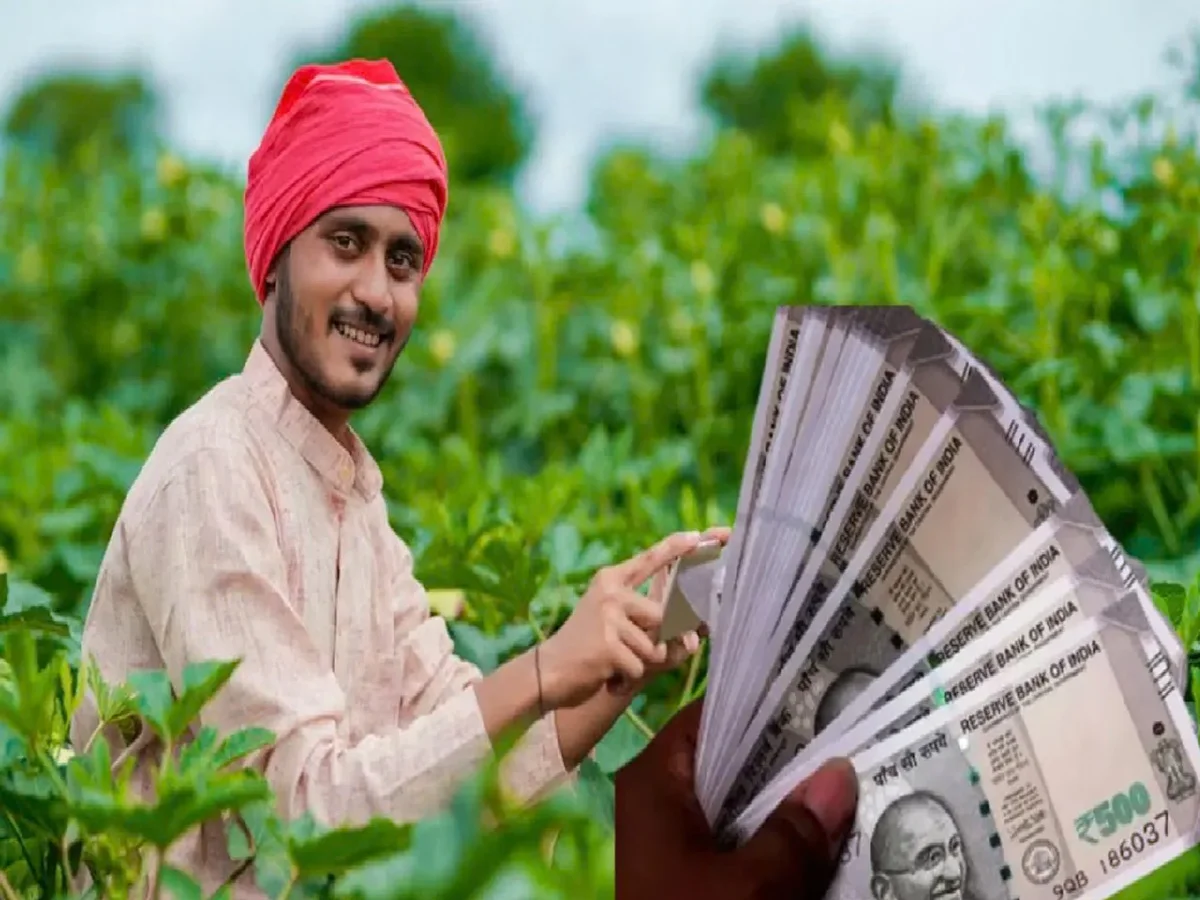
Retailers report that customers now face difficulties at cash counters because they rarely carry exact change for such odd amounts. Shopkeepers, too, are struggling to manage coins and smaller currency notes to settle these transactions smoothly.
Industry Confusion Over Packaging and Weight Adjustments
Experts note that while some companies have opted for direct price reductions, others are hesitant. Their concern: whether they can adjust product weights instead of prices to balance GST benefits. For example, instead of selling a ₹5 biscuit pack at ₹4.45, manufacturers may consider increasing its weight slightly but retaining the ₹5 tag. However, industry insiders point out that companies are unsure if the government will accept such packaging-based adjustments as valid under GST 2.0 rules.
This uncertainty has prompted leading brands to take a cautious approach. For now, prices are being reduced selectively, but many anticipate a second phase where product weights could be revised to restore “round number” price points.
Why Small Packs Matter So Much
Data shows that small-sized packs dominate sales in India:
-
79% of shampoo sales come from small sachets.
-
64% of biscuit sales are from low-priced packs.
-
58% of chocolates are sold in smaller units.
This makes the new GST-driven price adjustments particularly significant, as they directly affect millions of daily transactions across both urban and rural markets.
Impact on Consumers and Retailers
While customers welcome lower prices, the sudden shift to broken price points has added friction at the checkout counter. For many, it means waiting longer for change or being forced to buy additional items to round off the bill. Shopkeepers, on the other hand, say managing coins is becoming a daily headache.
Some retailers have even started encouraging digital payments to avoid change-related disputes. However, in small towns and rural areas — where cash transactions dominate — the issue remains unresolved.
Looking Ahead
GST 2.0 was introduced to simplify taxation and pass on benefits to consumers. While the intent has translated into lower MRPs for many essentials, the real test lies in balancing consumer psychology, packaging strategies, and payment ease.
Until companies and the government find a stable middle ground, India’s favorite “₹5 Parle-G” might remain a nostalgic memory replaced by quirky, broken price tags that confuse both buyers and sellers.