BUSINESS
Gold Silver Price Today: Gold Near ₹1.52 Lakh, Silver Above ₹2.34 Lakh on MCX After Sharp Weekly Rally
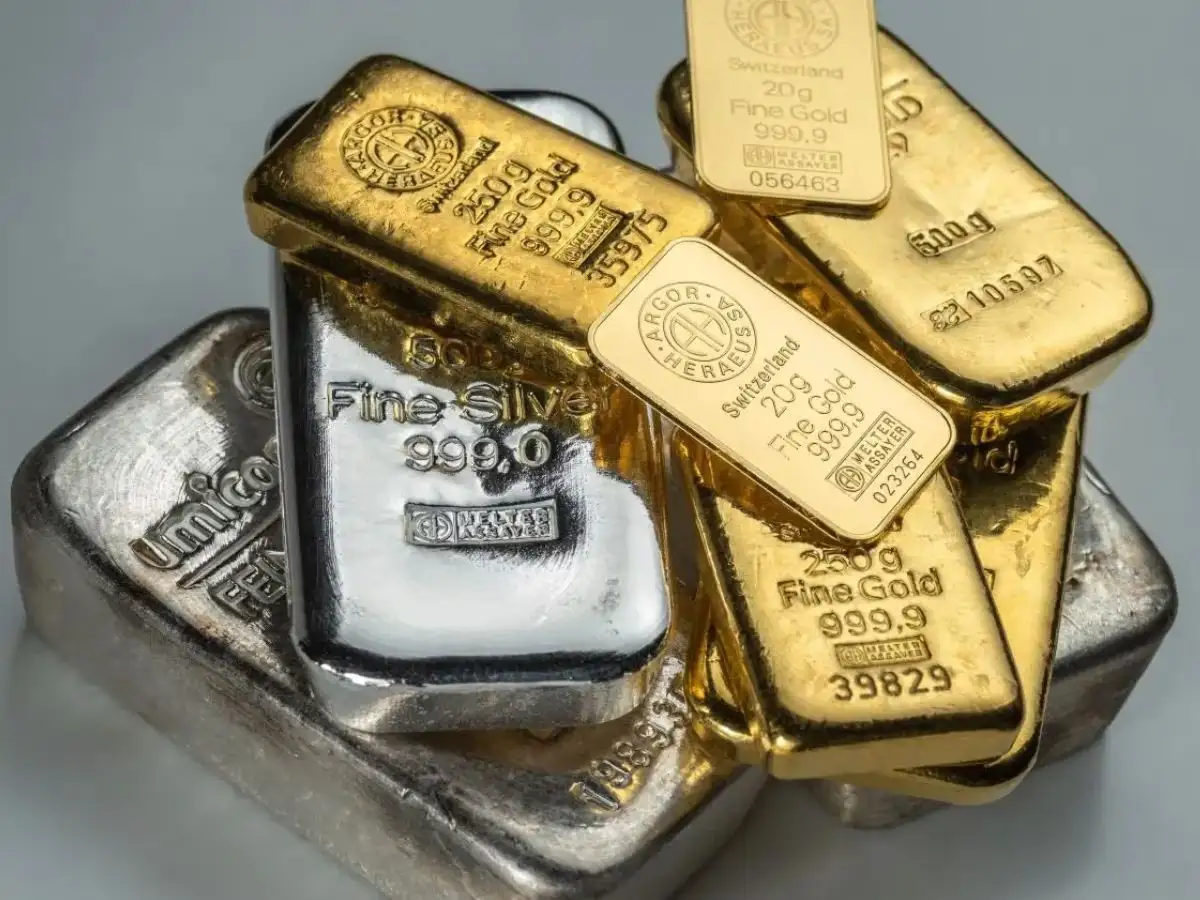
Gold Silver Price Today, August 11, 2026: Precious metals have delivered a strong start to August, with both gold and silver recording sharp gains in India's commodity market. The rally has pushed gold futures close to ₹1.52 lakh per 10 grams, while silver futures have moved above ₹2.34 lakh per kilogram.
The rise has been particularly notable over the past week. Based on the rates reported for August 3 and August 10, gold gained roughly ₹10,000 per 10 grams on the Multi Commodity Exchange (MCX), while silver jumped by more than ₹20,000 per kilogram during the same period.
The surge comes amid expectations surrounding US interest rates, movements in the dollar and continued investor interest in precious metals.
However, international gold witnessed some profit-booking after the recent rally, indicating that prices could remain volatile in the short term.
Gold Price on MCX
Gold futures on MCX were trading at approximately ₹1,52,050 per 10 grams on August 10.
That represents a substantial increase compared with the beginning of the previous week.
On August 3, MCX gold was around ₹1.42 lakh per 10 grams.
Based on these levels, gold gained approximately ₹10,000 per 10 grams in about a week.
The rapid rise has kept the yellow metal near elevated levels and has attracted attention from both investors and consumers planning jewellery purchases.
Silver Price Jumps More Than ₹20,000 in a Week
Silver has delivered an even stronger move in absolute terms.
MCX silver futures were reported at around ₹2,34,030 per kilogram on August 10.
A week earlier, on August 3, silver was trading at approximately ₹2.14 lakh per kilogram.
This means the white metal gained more than ₹20,000 per kilogram over the period.
Silver can experience sharper price swings than gold because its demand is influenced by both investment flows and industrial consumption.
The recent rally therefore makes it especially important for buyers to monitor prices closely rather than relying on rates from several days earlier.
Gold and Silver Rates in Major Indian Cities
Retail precious-metal prices can differ from one city to another. Based on the rates cited for August 10, here is how gold and silver were priced across five major cities:
| City | 24K Gold (10 grams) | 22K Gold (10 grams) | Silver (1 kg) |
|---|---|---|---|
| New Delhi | ₹1,51,190 | ₹1,38,591 | ₹2,32,200 |
| Mumbai | ₹1,51,450 | ₹1,38,829 | ₹2,32,600 |
| Bengaluru | ₹1,51,570 | ₹1,38,939 | ₹2,32,790 |
| Kolkata | ₹1,51,250 | ₹1,38,646 | ₹2,32,300 |
| Chennai | ₹1,52,220 | ₹1,39,535 | ₹2,34,610 |
Among the cities listed, Chennai had the highest quoted 24-carat gold rate at ₹1,52,220 per 10 grams. Its silver rate was also the highest in the list at ₹2,34,610 per kilogram.
Consumers should remember that these indicative bullion rates may not equal the final amount charged by a jewellery store.
Why Do Gold Prices Differ From City to City?
Gold does not necessarily sell at exactly the same price across India.
Local market conditions, transportation expenses, bullion association rates and other regional factors can result in variations.
For jewellery purchases, the final bill may also include GST and making charges.
Making charges can vary significantly depending on the jeweller and complexity of the jewellery design.
Therefore, someone purchasing a gold necklace, ring or bracelet should not calculate the final cost solely by multiplying its weight by the quoted gold rate.
24K vs 22K Gold: What Is the Difference?
Consumers checking daily gold prices frequently see separate quotations for 24-carat and 22-carat gold.
The difference is primarily related to purity.
24K gold represents gold of very high purity and is commonly used for investment-oriented products such as certain coins and bars.
22K gold contains a smaller proportion of pure gold because other metals are added to improve strength and durability. This makes it widely used for jewellery.
As a result, the quoted price of 22K gold is generally lower than that of 24K gold.
Consumers buying jewellery should always check purity and hallmarking details rather than considering price alone.
What Is Happening to Gold in the International Market?
The strong domestic rally has been accompanied by significant movement in international bullion markets.
After recent gains, some profit-booking emerged in gold on Monday.
Spot gold was reported around 0.5% lower at $4,322.28 per ounce, while US gold futures were down approximately 0.4% at $4,381.60 per ounce.
The decline came after gold had recently climbed to around a seven-week high.
One of the factors supporting the earlier rally was weaker-than-expected US employment data.
Weak economic indicators can influence expectations about the Federal Reserve's next move on interest rates.
Why Are Gold and Silver Prices Rising?
Several factors have contributed to the recent strength in precious metals.
Expectations of US Interest Rate Cuts
Investors have been closely watching US economic data for clues about future Federal Reserve policy.
Weakness in employment indicators can increase expectations that the central bank may adopt a more accommodative interest-rate policy.
Gold generally becomes more attractive when expectations for lower interest rates rise because the metal itself does not pay interest.
Movement in the US Dollar
The dollar is another important factor influencing international bullion prices.
Gold is primarily priced globally in US dollars. A weaker dollar can make the metal relatively less expensive for buyers using other currencies, potentially supporting demand.
However, the relationship is not always perfectly consistent over short periods.
Safe-Haven Demand
Gold is widely viewed as a defensive asset during periods of economic, geopolitical or financial uncertainty.
When investors become concerned about risks in other asset classes, some may increase their allocation to gold.
This safe-haven demand can provide additional support to bullion prices.
Strong Investment Buying
Investor flows can amplify movements in precious metals.
When momentum strengthens and expectations remain supportive, increased buying by investors and traders can push futures prices higher.
The opposite can also happen quickly when traders begin taking profits.
Gold Recorded a Strong Weekly Gain
The scale of the recent rally becomes clearer when looking at weekly performance.
According to market commentary cited in the source, LKP Securities research analyst Jatin Trivedi said gold gained roughly 6% during the previous week.
That represented one of the metal's stronger weekly performances in recent months.
Such a rapid rise can attract fresh investors, but it can also increase the possibility of short-term profit-booking.
The international market's subsequent decline is an example of how prices can pull back even during a broader bullish phase.
US Inflation Data Could Be the Next Major Trigger
Investors are now closely watching upcoming US inflation numbers.
Inflation data can influence expectations about what the Federal Reserve may do with interest rates.
If inflation appears to be easing while other parts of the economy weaken, expectations for rate cuts could strengthen.
On the other hand, unexpectedly high inflation could complicate those expectations and potentially create volatility in gold, the dollar and bond markets.
For Indian investors, movements in the rupee against the US dollar also matter because international bullion is dollar-denominated.
Why Silver Can Be More Volatile Than Gold
Silver has risen sharply alongside gold, but the two metals do not always move at the same pace.
Gold demand is heavily influenced by jewellery consumption, central-bank purchases and investment flows.
Silver has an additional dimension: significant industrial demand.
It is used across sectors such as electronics, solar energy and various manufacturing applications.
This combination of investment and industrial demand can sometimes make silver more volatile than gold.
The jump of more than ₹20,000 per kilogram in roughly a week illustrates how quickly silver prices can move when market momentum becomes strong.
Should You Buy Gold After the Recent Rally?
Consumers purchasing jewellery for personal use may have different considerations from investors seeking financial returns.
Jewellery buyers should compare rates between reputable sellers and pay attention to purity, hallmarking, GST and making charges.
Investors, meanwhile, should avoid assuming that a recent price increase guarantees further gains.
Gold and silver can experience corrections after sharp rallies, particularly when traders book profits or expectations surrounding interest rates and currencies change.
Buying decisions should therefore be based on financial goals, investment horizon and risk tolerance rather than short-term price momentum alone.
Gold and Silver Prices Could Remain Volatile
The first part of August has been exceptionally strong for precious metals in India.
Gold's move from around ₹1.42 lakh to roughly ₹1.52 lakh per 10 grams on MCX and silver's jump from approximately ₹2.14 lakh to above ₹2.34 lakh per kilogram demonstrate the scale of the recent rally.
The next direction could depend heavily on international developments, particularly US inflation data, Federal Reserve expectations, movements in the dollar and changing investor sentiment.
For buyers in India, currency fluctuations and domestic demand can add another layer of price movement.
Anyone planning to purchase gold or silver should therefore check the latest live market rate before completing a transaction, especially after the sharp changes seen over the past week.
Disclaimer: Gold and silver prices fluctuate throughout the trading session. MCX futures prices are different from retail jewellery rates. The figures above are based on rates cited for August 10, 2026 and should not be treated as real-time prices or investment advice.