TECH
From Facebook, WhatsApp, Instagram to gaming… are children safe in the online world? A UNICEF report has raised concerns among parents
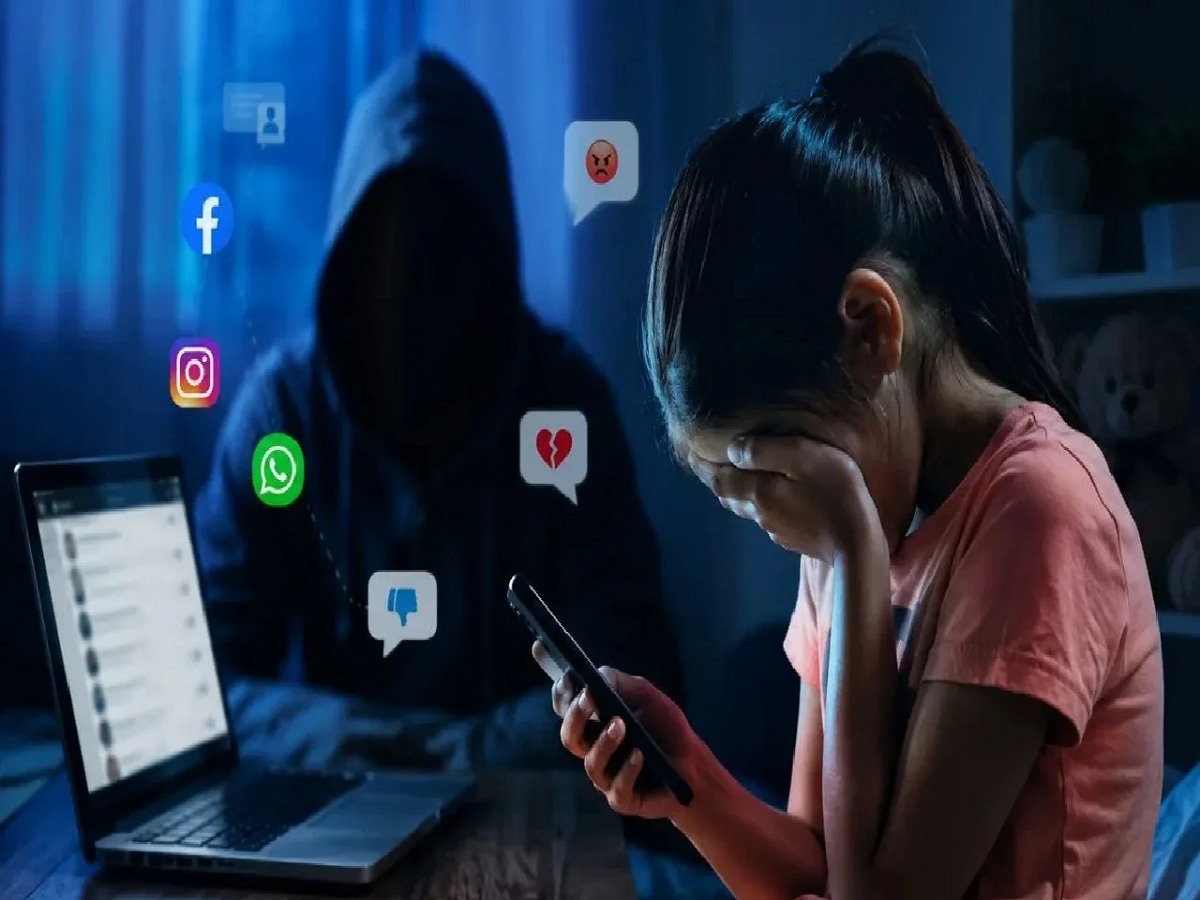
The rapid spread of the Internet and social media across the world has revealed a frightening and worrying picture of the safety of children. According to a recent report by the United Nations Children's Fund (UNICEF), nearly 20 million children worldwide faced some form of online sexual exploitation and abuse last year. According to data released by UNICEF, approximately 1.5 million children between the ages of 12 and 17 have been exposed to involuntary and pornographic content. Meanwhile, more than 9 million children have been pressured to participate in sexual conversations online. The organization has warned that the actual figure could be much higher.
One in five children is a victim
According to a UNICEF report, nearly 60 percent of abuse and exploitation on online platforms occurred on social media apps (such as Facebook, WhatsApp, Instagram, Snapchat and TikTok). Furthermore, 14 percent of cases occurred through online gaming apps. Research found that one in five children (over 21%) aged 12 to 17 in 21 countries across Africa, Asia, Latin America and Eastern Europe experienced online sexual harassment at least once.
Danger from loved ones rather than strangers
The most striking finding of the report is that in more than half (over 50%) of abuse cases, victims were victims of someone they already knew. This included friends, relatives, or online partners. In 38% of cases, children were initially victims of abuse by a stranger.
The report is based on a survey of 21,000 children in 21 countries,
including Brazil, Pakistan, Kenya, Serbia, and other Eastern European and Asian countries, between 2020 and 2025. However, India was not included in the survey.
Reacting to the matter, a spokesperson for Meta
, the parent company of Facebook, WhatsApp, and Instagram, said the survey was based on data from years when safety features like automatic private accounts for teens and blocking messages from unknown adults weren't fully implemented. The company has now taken several stricter steps to protect children.
AI has become a new threat.
UNICEF has also expressed serious concern about the misuse of artificial intelligence. According to an analysis of data collected from nine countries, approximately 1.1 million children have admitted to viewing pornographic or objectionable images and videos created by AI. This has significantly increased levels of mental stress and anxiety among children.
PC: Navarashtra