LIFESTYLE
Doctors warn women not to ignore pain, mistaking it for gas or period cramps, as it could be a risk of cancer
The pains which are often ignored as minor health problems, increase the risk of serious diseases. Bloating, gas, feeling full quickly, loss of appetite, constant fatigue or period pain are common problems for women, but if these problems occur repeatedly, then they can also be the reason for the increased risk of this disease. We tell you that these pains can be the initial symptoms of ovarian cancer. Most of the women ignore these symptoms and considering them as minor problems, do not consult a doctor, due to which the risk of this disease increases day by day. This is the reason why the risk of cancer is highest in women.
Dr. Harit Chaturvedi, CEO and Clinical Head of Oncology Network, Indraprastha Apollo Hospitals, said that ovarian cancer is called the 'silent killer'. Its initial symptoms are very mild, making it difficult to detect immediately. He said that women should not ignore persistent abdominal pain and should consult a doctor for a timely check-up. According to experts, changing lifestyle, obesity, hormonal imbalance, stress and not getting regular health check-ups done are some of the major causes of this disease. Every year, about 47,000 new cases of ovarian cancer are reported in India, while 2,200 women suffer from it in Delhi.
Doctors say the biggest challenge with this disease is that it's often undetected in its early stages. Because women often ignore common symptoms like abdominal pain, gas, bloating, or loss of appetite, the condition often goes undetected and gradually worsens. Therefore, if women experience these seemingly common problems repeatedly, they should seek medical attention in a timely manner. Timely treatment can help reduce the risk of the disease.
What is Ovarian cancer?
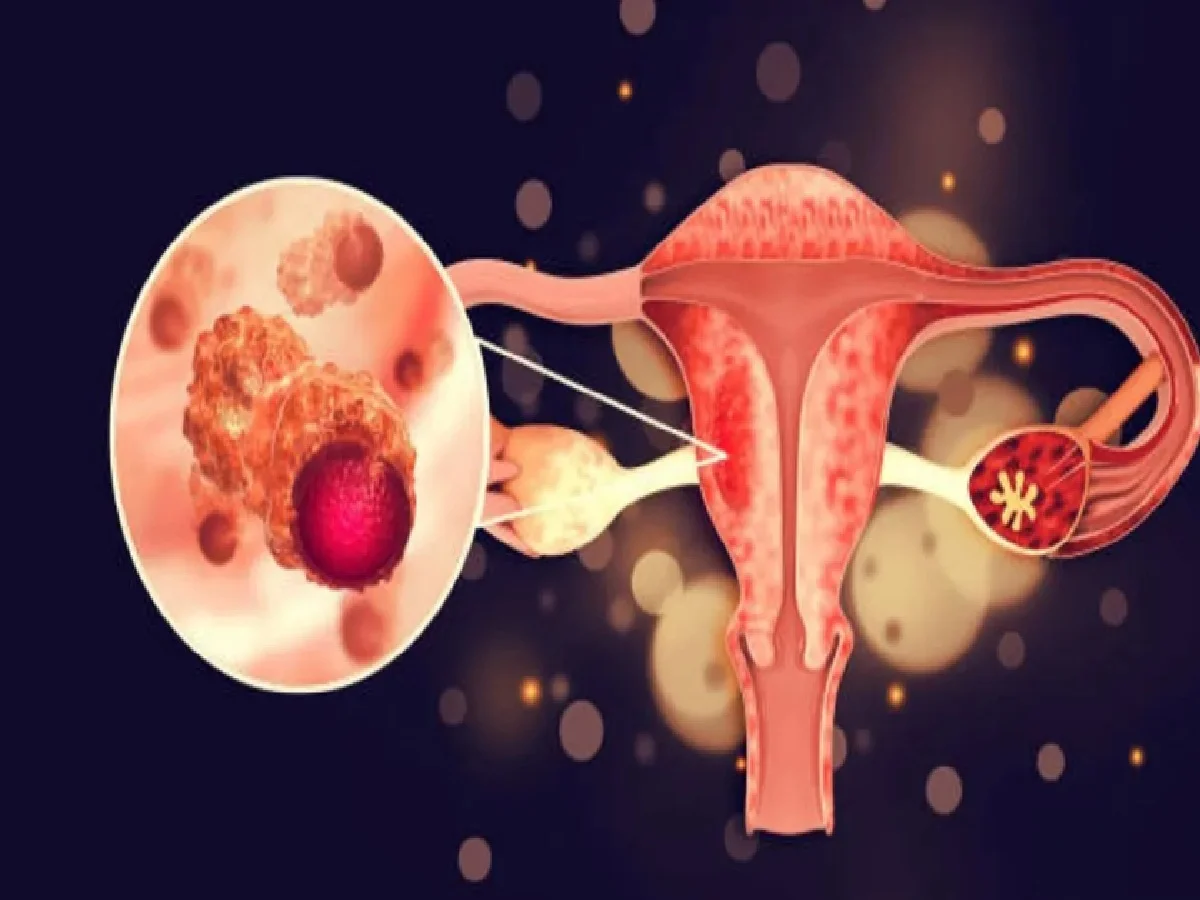
Ovarian cancer is a serious disease that affects women. The ovaries produce eggs. When cells there grow abnormally, they can develop into cancer. This disease can be caused by a number of factors, including aging, family history, hormonal changes, obesity, and an unhealthy lifestyle.
PC: Navarastra