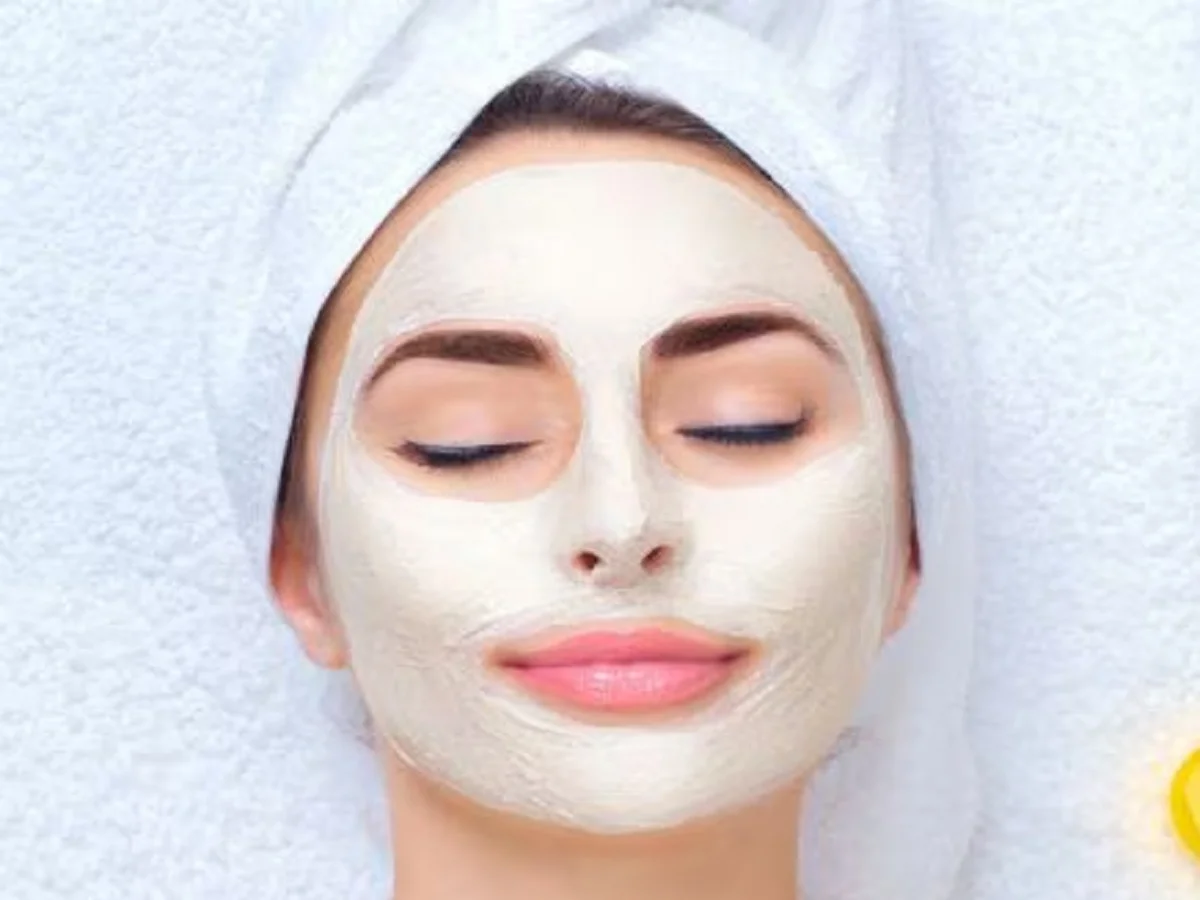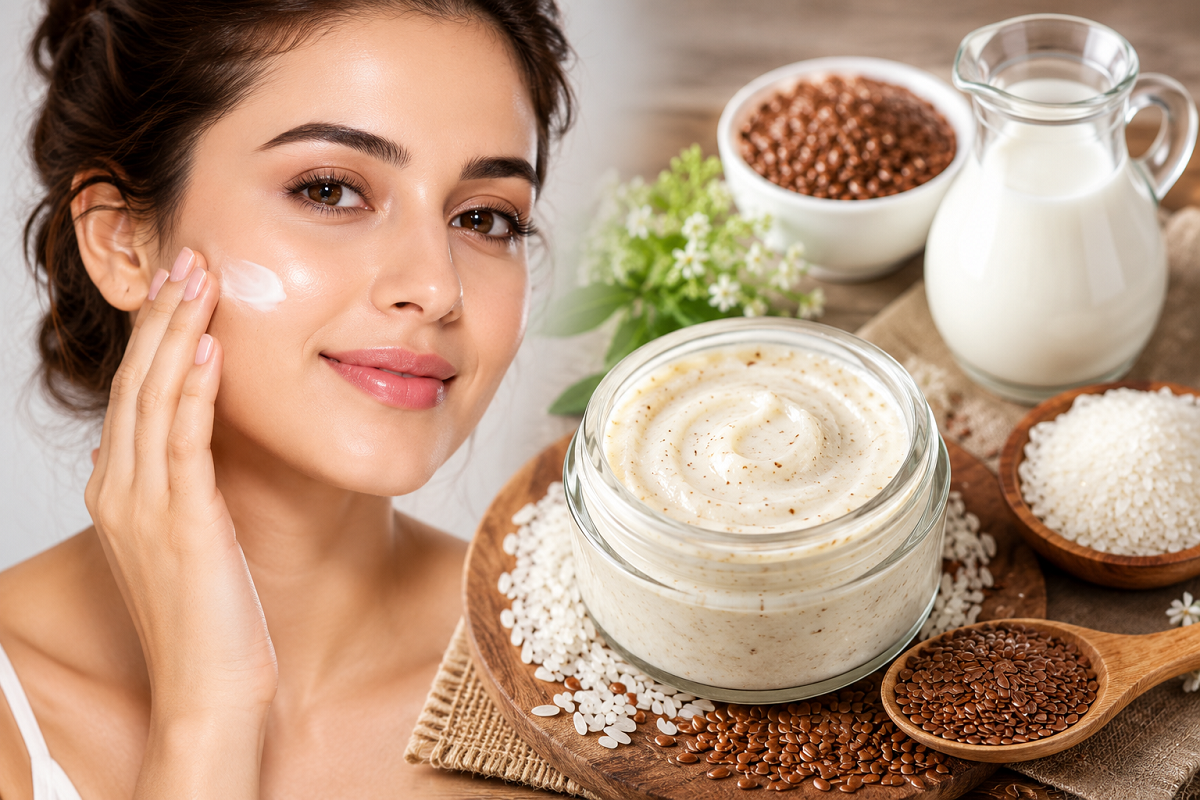
Fine lines, loss of skin firmness, and dullness are common concerns as we age. While many skincare products claim to boost collagen and reduce wrinkles, some people also prefer homemade face packs and creams using kitchen ingredients. One popular DIY combination includes rice flour, raw milk, and flaxseeds (alsi).
Although these ingredients contain nutrients that may temporarily improve the skin's appearance, it's important to note that no homemade cream has been scientifically proven to increase collagen production in the same way as clinically tested skincare ingredients or medical treatments. However, when used appropriately, they may help moisturize, gently exfoliate, and leave the skin looking smoother and brighter.
Here's an easy homemade recipe and how to use it safely.
Ingredients
You'll need:
-
2 tablespoons rice flour
-
2 tablespoons raw milk (or boiled and cooled milk if preferred)
-
1 tablespoon flaxseeds
-
½ teaspoon aloe vera gel (optional)
-
1 teaspoon honey (optional, for added moisture)
How to Prepare the Cream
Step 1: Prepare the Flaxseed Gel
-
Add the flaxseeds to one cup of water.
-
Boil for 8–10 minutes until the mixture thickens.
-
Strain immediately while warm to collect the gel.
-
Allow the gel to cool completely.
Step 2: Mix the Ingredients
In a clean bowl, combine:
-
Rice flour
-
2 tablespoons flaxseed gel
-
Raw milk
-
Aloe vera gel (optional)
-
Honey (optional)
Mix well until you get a smooth, creamy consistency.
How to Apply
-
Wash your face with a gentle cleanser.
-
Apply a thin, even layer to your face and neck.
-
Leave it on for 15–20 minutes.
-
Rinse with lukewarm water and gently pat your skin dry.
-
Finish with a moisturizer suitable for your skin type.
For best results, many people use DIY face masks 1–2 times a week rather than every day.
Potential Benefits of the Ingredients
Rice Flour
Rice flour may:
-
Provide gentle exfoliation.
-
Help remove dead skin cells.
-
Leave the skin looking smoother.
-
Temporarily brighten the complexion.
Flaxseed Gel
Flaxseeds contain omega-3 fatty acids and antioxidants. The gel may:
-
Help hydrate the skin.
-
Provide a temporary smoothing effect.
-
Improve the skin's soft, moisturized feel.
Milk
Milk contains lactic acid, a mild alpha hydroxy acid (AHA), which may:
-
Gently exfoliate the skin.
-
Improve skin texture.
-
Leave the skin feeling softer.
However, raw milk can carry bacteria, so some dermatologists recommend using boiled and cooled milk or avoiding milk altogether if you have sensitive or acne-prone skin.
Can It Really Boost Collagen?
Despite popular claims, there is no strong scientific evidence that applying rice flour, flaxseed gel, or milk directly to the skin significantly increases collagen production.
Collagen naturally declines with age, and maintaining healthy skin generally involves:
-
Daily sunscreen use (SPF 30 or higher).
-
A balanced diet rich in protein and vitamin C.
-
Staying hydrated.
-
Getting enough sleep.
-
Using evidence-based skincare ingredients such as retinoids, vitamin C, niacinamide, or peptides, if recommended by a dermatologist.
Safety Tips
Before trying any homemade skincare remedy:
-
Perform a patch test on a small area of skin.
-
Avoid applying the mixture to broken or irritated skin.
-
Stop using it if redness, itching, or irritation develops.
-
Store freshly prepared mixtures in the refrigerator and use them within 1–2 days.
The Bottom Line
A homemade face pack made with rice flour, flaxseed gel, and milk may help cleanse, hydrate, and temporarily improve the appearance of your skin. While it can be a soothing addition to your skincare routine, it should not be considered a replacement for clinically proven anti-aging treatments or a guaranteed way to increase collagen.
For persistent wrinkles, significant skin laxity, or other skin concerns, consulting a qualified dermatologist is the best approach.
Disclaimer: This article is for informational purposes only and is not a substitute for professional medical or dermatological advice. Always perform a patch test before using homemade skincare products, and consult a dermatologist if you have sensitive skin, allergies, or ongoing skin conditions.