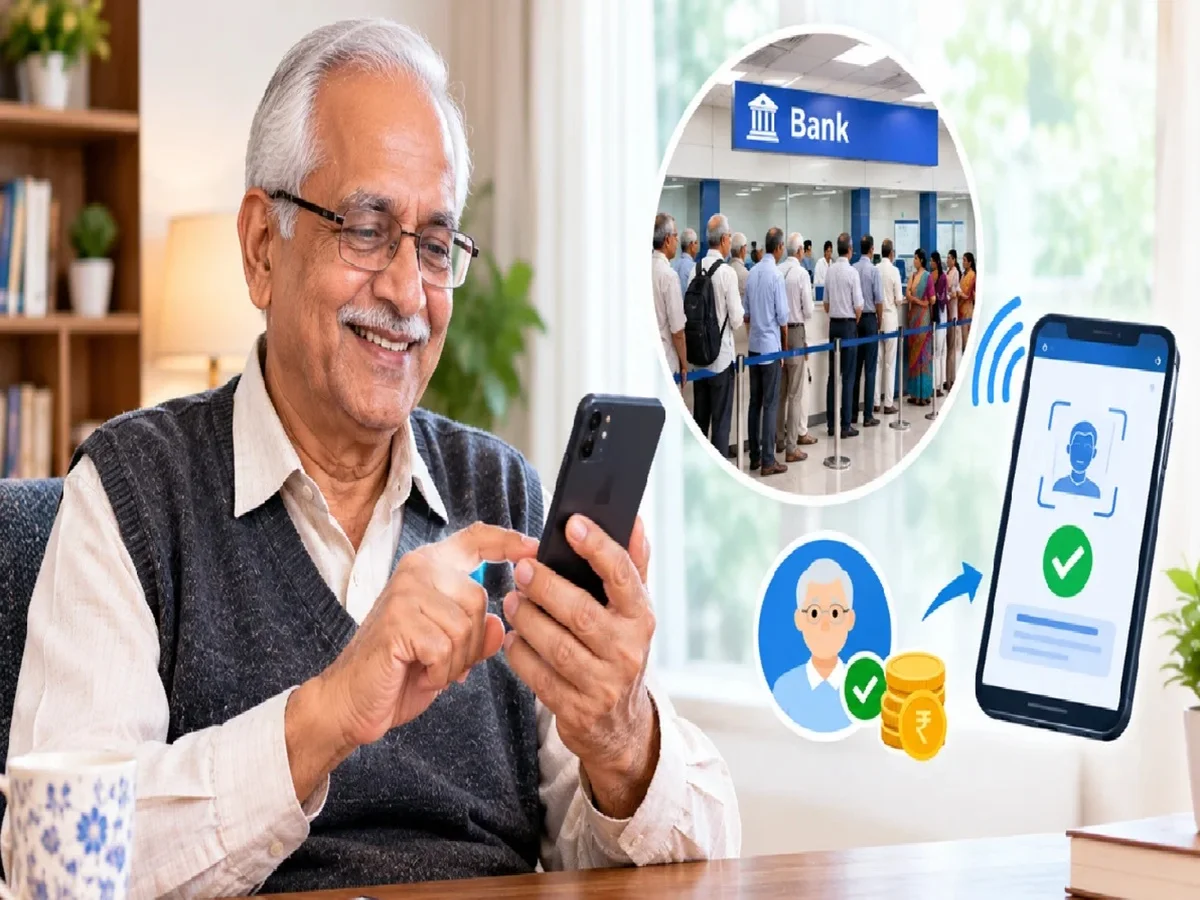
Digital Transaction Rules: The way digital payments are going to change completely from April 1. What are the major changes that will make your transactions even safer?
If you're a frequent user of UPI or net banking, be careful, because your digital world is about to change completely starting April 1st. The Reserve Bank of India (RBI) is now gearing up to curb online fraud and is retiring old transaction methods.
The RBI is now focusing on two-factor authentication (2FA), which has now become mandatory for all digital payments, large or small. This essentially means that you'll now have to go through two different levels to prove your identity.
While many apps previously allowed for a single click to deduct money, you'll now need to go through a double security check to confirm your ownership, preventing unwanted payments. Under the new regulations, banks and fintech companies will now be required to offer customers multiple authentication options.
At least one factor must be dynamic. Dynamic means that the security code will be new each time and generated instantly. If banks are lax in enforcing these rules and a customer is defrauded, the bank or service provider will be solely responsible for the fraud.
Now, along with passwords and PINs, biometrics like OTPs, fingerprints, or hardware tokens will be integrated. Most of us have been using the same static PIN for years, which was easily tracked by hackers. But now, every transaction will receive a new real-time code. This means that even if someone learns your password, they won't be able to break into your account.
Now, it's entirely up to you which security method you choose. Banks offer various combinations. You can use your old PIN with an OTP, or you can choose a more high-tech option like device binding with your fingerprint.
A combination of token-based authentication and passwords would also be a good option. This would give customers complete freedom to choose security based on their convenience. The biggest benefit of this change will directly accrue to the common man, who often falls victim to phishing attacks or unauthorized transactions.
PC:ET Government