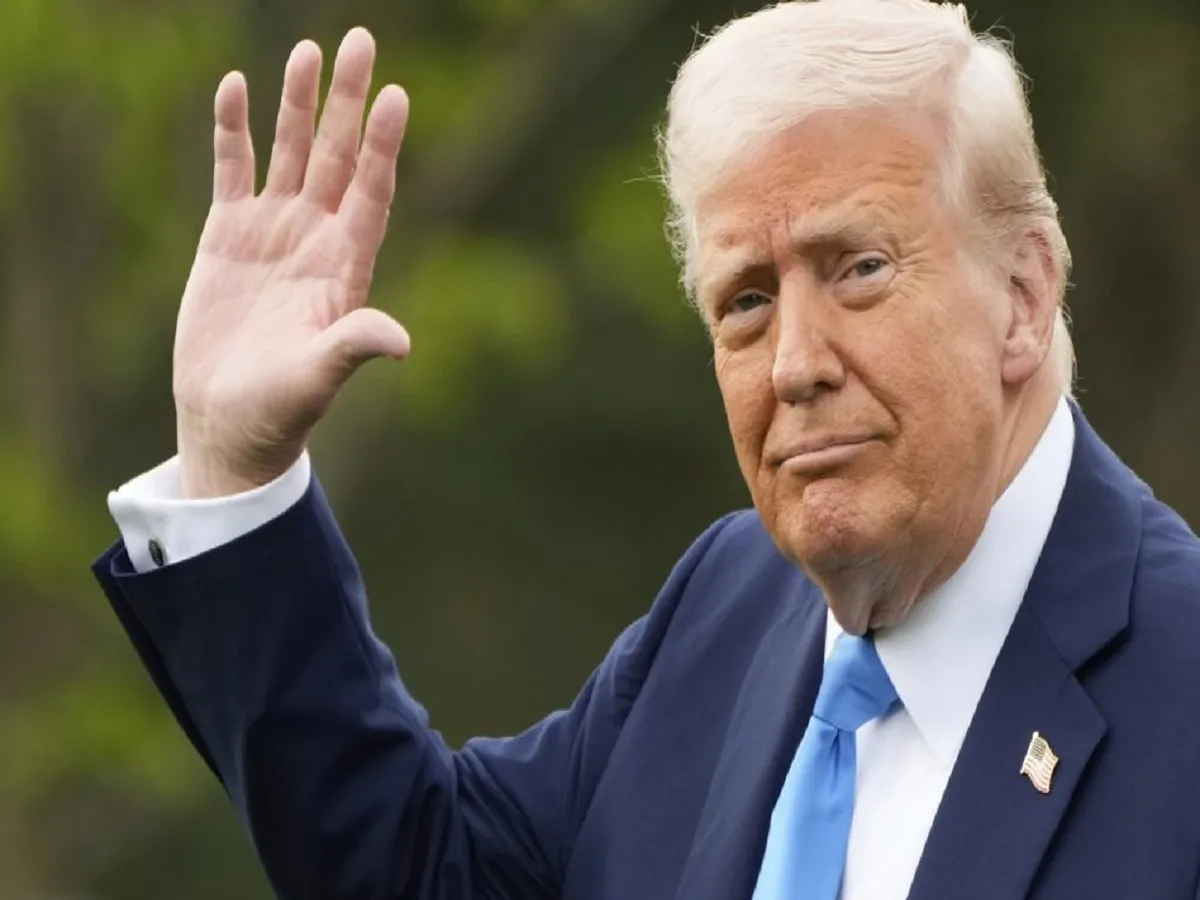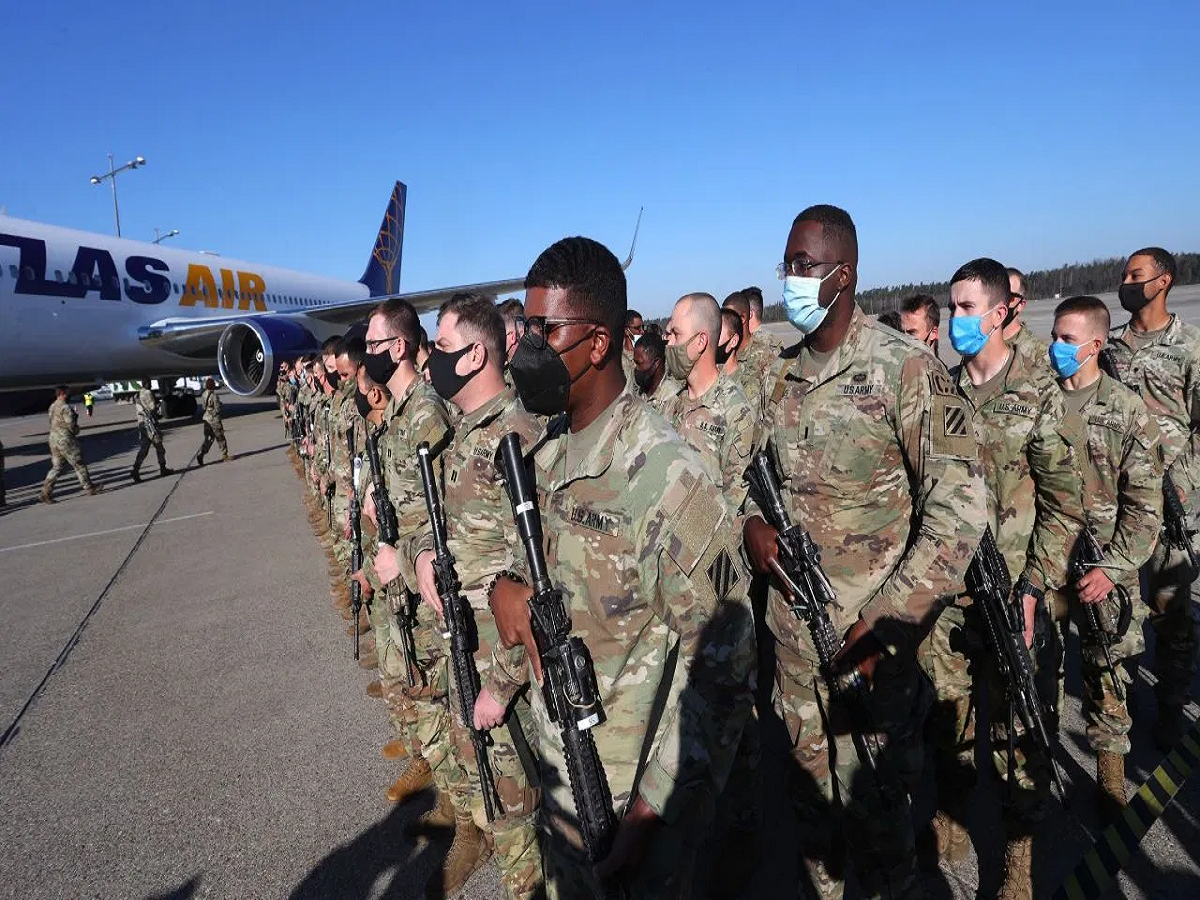
A single social media post from President Donald Trump has sent shockwaves through the Pentagon, leaving top defense officials scrambling. The President’s announcement that he is considering a massive reduction or complete withdrawal of U.S. troops from Germany has caught the Defense Ministry off guard, as no such strategy was part of their recent global force reviews.
This move marks a significant escalation in the diplomatic friction between Washington and Berlin, raising urgent questions about the future of Western security.
The Pentagon’s Surprise: A Strategy-Free Withdrawal?
The most alarming aspect of the announcement for military leaders is the lack of prior coordination.
-
Unaware Officials: Many high-ranking defense officials reportedly learned of the decision simultaneously with the general public via social media.
-
Contradicting Plans: The Pentagon’s latest worldwide deployment assessment showed no major plans to scale back the American presence in Europe, making this a sudden "top-down" directive.
-
Historical Echoes: This isn't the first time such an order has been issued; in 2020, Trump ordered 12,000 troops out of Germany, though that directive was never fully realized. Now, the Pentagon is forced to take the threat with renewed seriousness.
The "Merz" Factor: A War of Words
The timing of Trump’s statement appears to be a direct retaliation to comments made by German Chancellor Friedrich Merz.
-
The Jab: Chancellor Merz recently criticized the U.S., suggesting Washington appeared "weak" during negotiations with Iran.
-
The Clapback: Trump fired back, criticizing Germany’s contribution to international security and telling the nation to focus on its own "backyard"—specifically the Russia-Ukraine war and European stability.
-
Broadening the Scope: The President didn't stop at Germany; he has also suggested pulling troops from Spain and Italy, arguing these nations aren't providing adequate support to the United States.
Why a Withdrawal is a Logistical Nightmare
Despite the rhetoric, experts warn that "unplugging" from Germany is far easier said than done. Germany serves as the backbone of U.S. operations across two continents:
-
Strategic Hubs: Germany houses the European and Africa Command Centers, the vital nervous systems for U.S. military coordination.
-
Medical Infrastructure: The country is home to the largest U.S. military hospital outside of American soil, essential for treating troops stationed across the Middle East and Africa.
-
The Price Tag: Moving 35,000 to 40,000 troops, along with their families and heavy equipment, would be an astronomically expensive and logistically complex feat.
Legal and Security Barriers
U.S. lawmakers are already moving to exercise caution. Currently, a law exists that prohibits reducing the number of American troops in Europe below 76,000 without a comprehensive security impact assessment.
Critics argue that a withdrawal would create a massive power vacuum, significantly weakening NATO’s front against Russia and leaving European allies vulnerable. As the Pentagon prepares to comply with the President's orders, the debate remains: is this a calculated strategic shift, or a costly rivalry that could compromise global safety?