BUSINESS
Big warning for those who own land in their wife's name! The government has changed the rules: Land Registration Rule 2026

Land Registration Rule 2026: The government has made some significant changes to the purchase of land and houses in India, which will come into effect from 2026. These changes will particularly affect those who purchase property in the name of their wife, daughter, or other female family member. For several years, it has been observed that many people registered property in the name of women to obtain tax exemptions, pay less stamp duty, or avail themselves of other financial benefits. However, in reality, complete control and decision-making power over the property remained with someone else. The government's aim now is to ensure that the person in whose name the property is registered is the actual owner and that their financial involvement is clear.
Why the New Law Was Needed
Numerous frauds and irregularities were emerging in property transactions across the country. In many cases, women were shown as owners only on paper, yet in reality, they had no knowledge of the property. They had neither contributed money nor had any decision-making authority. This situation violated the Benami Property Act. Furthermore, cases of tax evasion were increasing, as people paid less tax after acquiring property in women's names. Legal disputes over the true owner of a property also arose following family disputes, divorce, or death. In light of these problems, the government decided to make the property registration process more transparent and stringent.
What needs to be proved now?
Under the new rules, it is now mandatory to demonstrate that the woman in whose name the property is being purchased has a genuine financial stake in it. A detailed declaration must be filed at the time of registration, detailing the source of the funds. This information will need to be provided, including where the money came from, whose earnings it is, which bank account the payment was made from, and whether the woman's own income or savings were used. If the money was provided by another person, complete details must be provided. Officials at the registrar's office will thoroughly examine all these documents. If the investigation reveals that the woman is only the nominal owner and that the actual ownership belongs to someone else, the registration can be cancelled and legal action can also be taken.
Registration process tightened
In the past, property registration was a simple formality. Submit documents, pay stamp duty, and the registration was done. There was very little scrutiny. However, the situation has changed completely. The Registrar's office will conduct a detailed investigation of each case. The buyer's source of income, bank statements from the past few years, copies of income tax returns, the method of payment for the property, and other financial documents may be requested. If anything appears suspicious or discrepancies are found in the documents, registration can be stopped. This means that it is now extremely difficult to purchase a property without clear and complete documentation. This strictness provides protection for honest buyers and a challenge for fraudsters. The government has implemented a
digital
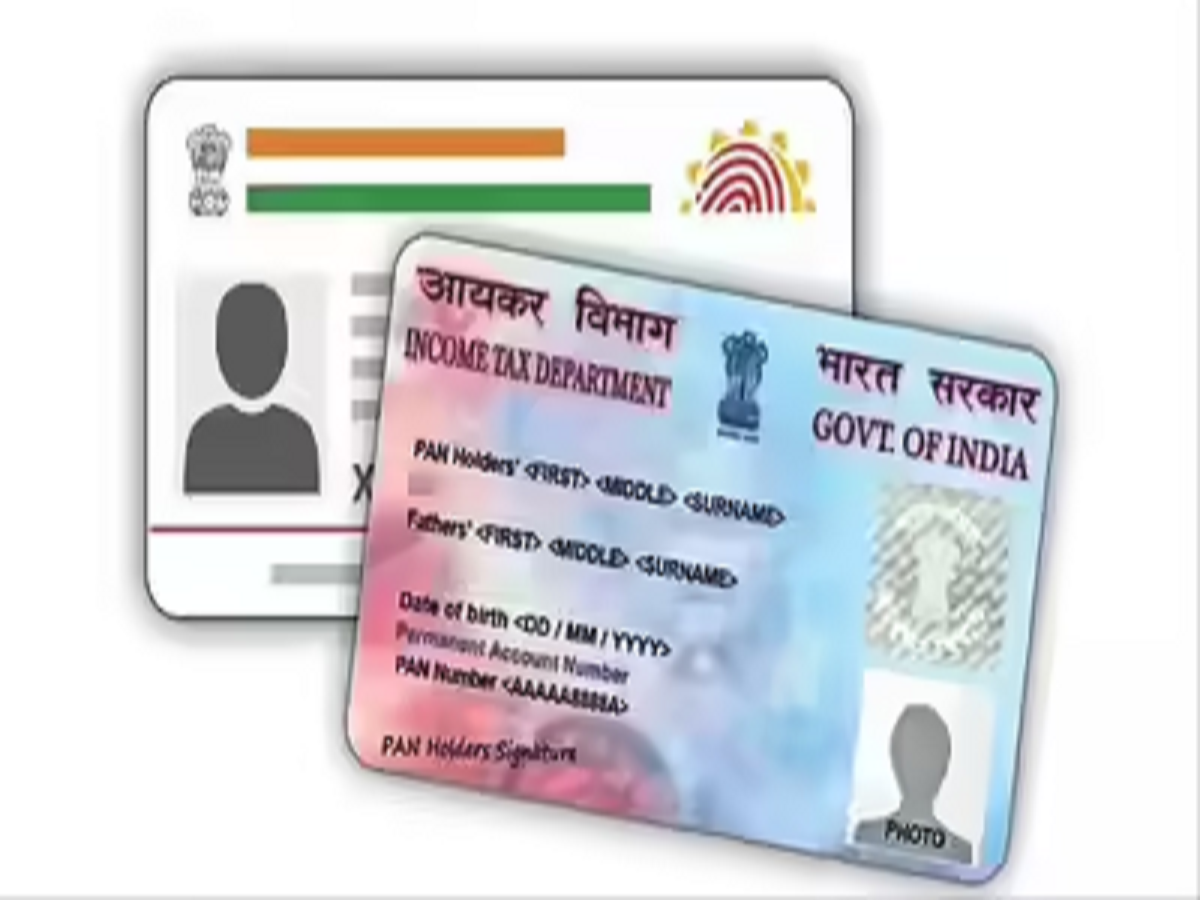
system extensively in the new system. Aadhaar cards, PAN cards, income certificates, bank account information, and affidavits will all be verified digitally. Data sharing between various government departments will make it easier to determine whether a person can afford to purchase a property based on their declared income. In suspicious cases, officials may also inspect the site and question both the buyer and the seller. A digital record of the entire process will be maintained, which will be useful in case of any future investigation or dispute. This transparency will reduce corruption and increase accountability in the system.
A step towards women's empowerment
: Women are expected to benefit the most from these new rules. Women who actually purchase property with their own hard-earned money or money given by their parents will now have full legal recognition and protection. Their ownership rights will be strengthened, and no one will be able to easily snatch their property from them. On the other hand, those who used women's names solely to save stamp duty or evade taxes will now find it difficult to do so. This is a positive step towards women's empowerment, as women will now own property not only in name but also in reality. They will have the right to make decisions and use their property independently.
Legal disputes will be reduced
Property disputes arising from family disputes, divorce, or the death of a family member are among the most common cases in Indian courts. In many cases, it is difficult to determine the true owner of a property, especially when the documents indicate something different from the reality. The new rules will provide greater clarity on ownership, as complete financial information will be recorded with each property. In the future, if a dispute arises, the court will have all the records available, making it easier to reach a decision. This will not only save time but also reduce legal costs. Long and expensive litigation ruins families, so this change is beneficial for society.
Important advice for buyers
If you're planning to purchase land or a house in your wife, daughter, or other female relative's name after 2026, be especially careful. First, ensure that the woman in whose name the property is being acquired actually has a financial stake or has contributed money. Prepare all financial documents, such as bank statements, income tax returns, income certificates, and details of the source of funds, in advance. Avoid providing false or misleading information, as this could lead to serious problems in the future. Consult an experienced lawyer or property consultant before the registration process. They will provide you with proper guidance and ensure all legal procedures are completed properly.
Truth and transparency are the only solution
While these changes introduced by the government may seem harsh at first glance, they are intended to protect honest citizens and prevent fraud. Those who purchase property honestly and follow all regulations need not fear these changes. Rather, this new system will bring greater security and clarity. Property laws vary from state to state, so be sure to familiarize yourself with your state's regulations. Remember that buying a property is a major life decision, and haste or negligence can be costly. With the right information, the right documents, and the right legal advice, you can purchase your dream property safely and legally.
PC: Parimal Finance