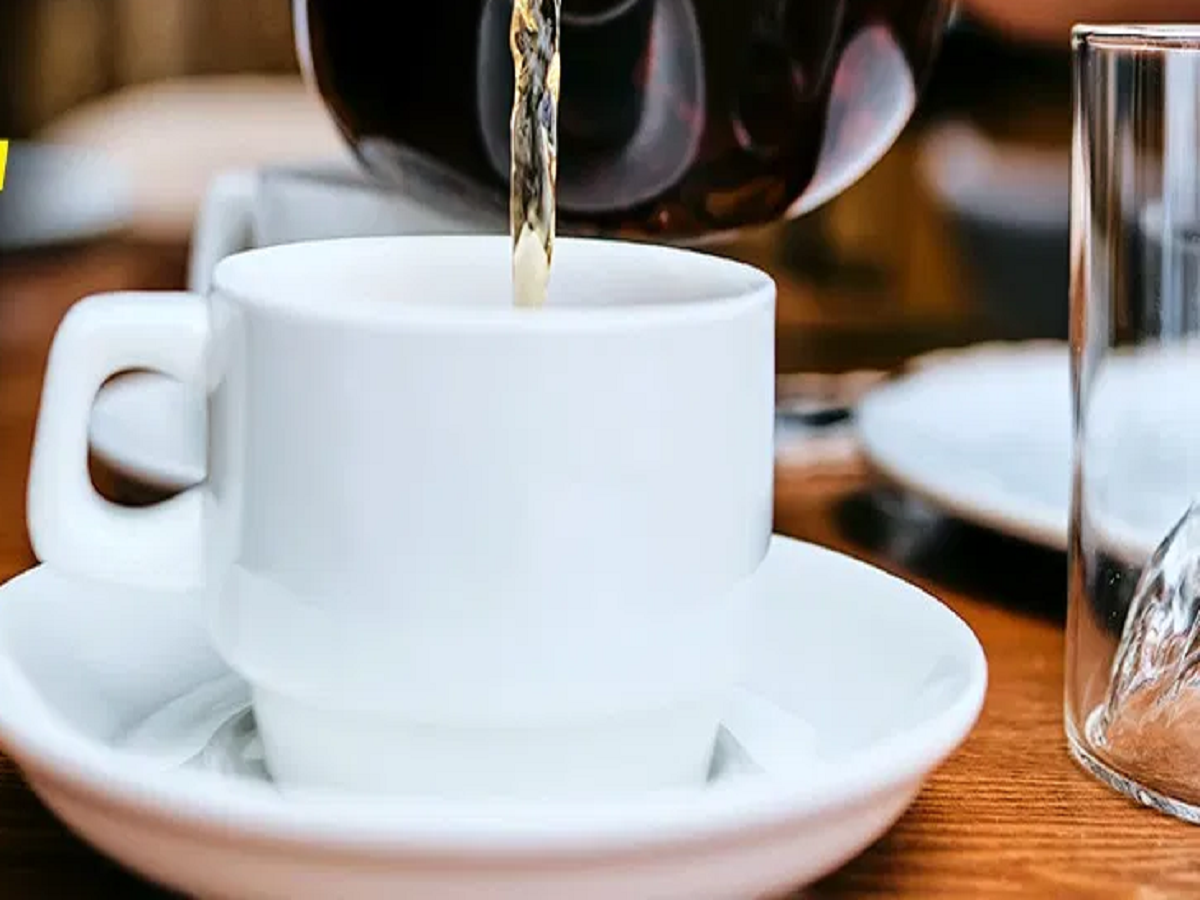
For most Indians, the day begins with a cup of tea. Whether paired with biscuits, rusks, or parathas, tea is an inseparable part of daily life. While people often focus on the quality of tea leaves or milk, very few think about the cup in which the tea is served. This raises an important question—are ceramic or porcelain tea cups safe for health?
Tea is commonly served in ceramic, porcelain, plastic, or paper cups. Among these, ceramic and porcelain cups are generally considered safer than plastic or paper alternatives. However, experts warn that not all ceramic or porcelain cups are equally safe.
Ceramic vs Porcelain Cups
Tea cups are mainly made in two ways:
-
Ceramic cups: Heavier, thicker, and more commonly used in Indian households because they are affordable.
-
Porcelain cups: Lighter, thinner, and often considered more refined.
What does the expert say?
According to Dr. Rohit Sharma, Internal Medicine specialist at Apollo Spectra Hospital, high-quality, food-grade ceramic or porcelain crockery is usually safe for everyday use. Such cups are manufactured at very high temperatures, which stabilizes the chemicals used in glazing and prevents them from leaching into beverages like tea or water.
Where does the risk come from?
The concern arises with low-quality or locally manufactured crockery. Dr. Sharma explains that the glaze used in poor-quality ceramic or porcelain cups may contain harmful heavy metals such as lead or cadmium. Over time, these metals can slowly seep into hot beverages and accumulate in the body.
Prolonged exposure to these heavy metals may:
-
Affect the stomach and digestive system
-
Cause kidney damage
-
Harm the nervous system
What should consumers do?
-
Prefer branded, food-grade ceramic or porcelain cups
-
Avoid cups with cracks, faded glaze, or rough surfaces
-
Do not use decorative or non-certified crockery for hot beverages
-
Replace old or damaged cups regularly