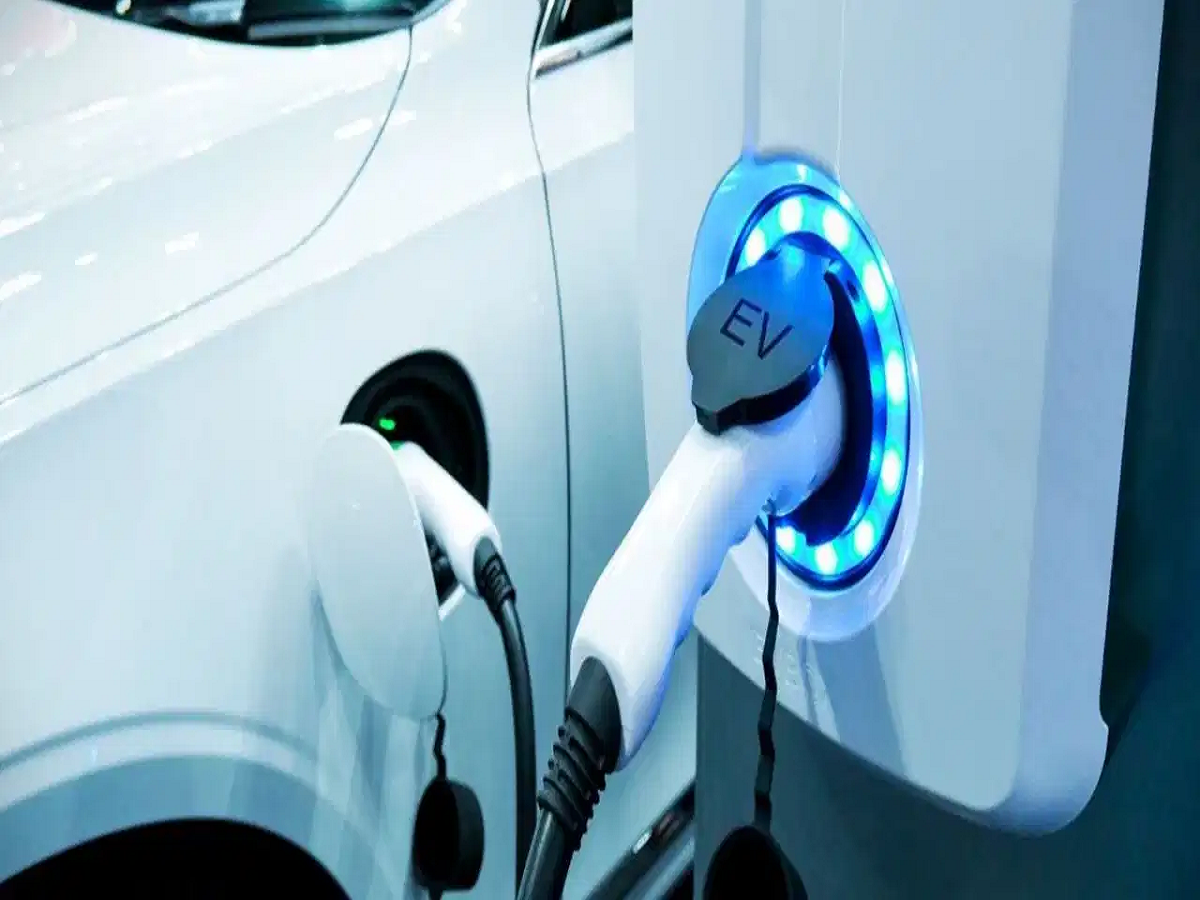
Electric vehicles are becoming increasingly popular around the world, but charging time continues to be one of the biggest concerns for potential EV buyers. While a petrol or diesel vehicle can be refuelled within minutes, EVs generally require considerably more time to recharge.
Battery manufacturers are now working on technologies designed to narrow this gap. Chinese battery manufacturer Sunwoda EVB has introduced a new fast-charging battery technology that it says could dramatically reduce EV charging times.
The company claims its latest battery can add enough energy for around 100 kilometres of driving range for every minute spent charging under certain conditions.
What Is the New 15C LFP Battery Technology?
Sunwoda EVB has introduced what it calls its new 15C LFP battery technology.
According to the company, the battery can charge from 10 percent to 70 percent in approximately five minutes. It is also claimed to reach 97 percent charge in around nine minutes.
Sunwoda further claims that the technology could add approximately 100 kilometres of driving range per minute of charging.
However, this does not mean every electric car will gain exactly 100 kilometres of range after charging for one minute. Actual range and charging performance can vary depending on battery capacity, vehicle efficiency, charging infrastructure, driving conditions, temperature and several other factors.
What Does LFP Mean?
LFP stands for lithium iron phosphate, a type of lithium-ion battery chemistry widely used in electric vehicles.
LFP batteries have gained popularity because of factors such as thermal stability, durability and relatively lower costs compared with some other battery chemistries.
The new development aims to combine these characteristics with extremely high charging speeds.
Fast Charging Brings Another Challenge: Heat
One of the biggest technical challenges associated with ultra-fast charging is managing battery temperature.
Supplying a large amount of electrical power to a battery within a short period can generate significant heat. Excessive temperatures can potentially affect battery performance, longevity and safety if they are not properly managed.
Sunwoda says its 15C battery technology incorporates thermal-management capabilities designed to maintain stable temperatures during high-speed charging under normal conditions.
If the technology performs similarly outside controlled testing environments, improved heat management could help overcome one of the important hurdles facing ultra-fast EV charging.
What About Charging in Extreme Cold?
Cold temperatures are another major challenge for EV batteries because charging performance can deteriorate considerably in freezing conditions.
Sunwoda claims its new battery has been designed to deliver fast charging even at temperatures as low as -20°C.
According to the company, the battery can reportedly charge from 10 percent to 97 percent in approximately 15 minutes at -20°C, with a claimed driving range of up to 700 kilometres under specified conditions.
These numbers, however, are manufacturer claims. Actual charging times and driving range could vary substantially depending on the vehicle, battery configuration, charger, temperature and real-world driving conditions.
Can an Electric Car Really Charge in One Minute?
Not exactly.
The company's claim refers to potentially adding around 100 kilometres of driving range for every minute of charging. It does not mean an entire EV battery can be fully charged in 60 seconds.
Sunwoda's figures suggest that a much larger portion of the battery would still require several minutes to recharge.
The technology nevertheless highlights how rapidly EV batteries are developing. If such charging speeds can eventually be delivered reliably and safely in mass-market vehicles, stopping to charge an electric car could become significantly quicker than it is today.
For now, Sunwoda's performance figures remain company claims, and real-world performance will become clearer as the technology reaches production vehicles and is tested under everyday driving conditions.