BUSINESS
Your Aadhaar and Bank Accounts Could Be at Risk: 7 Digital Payment Scams You Must Recognise Before It's Too Late
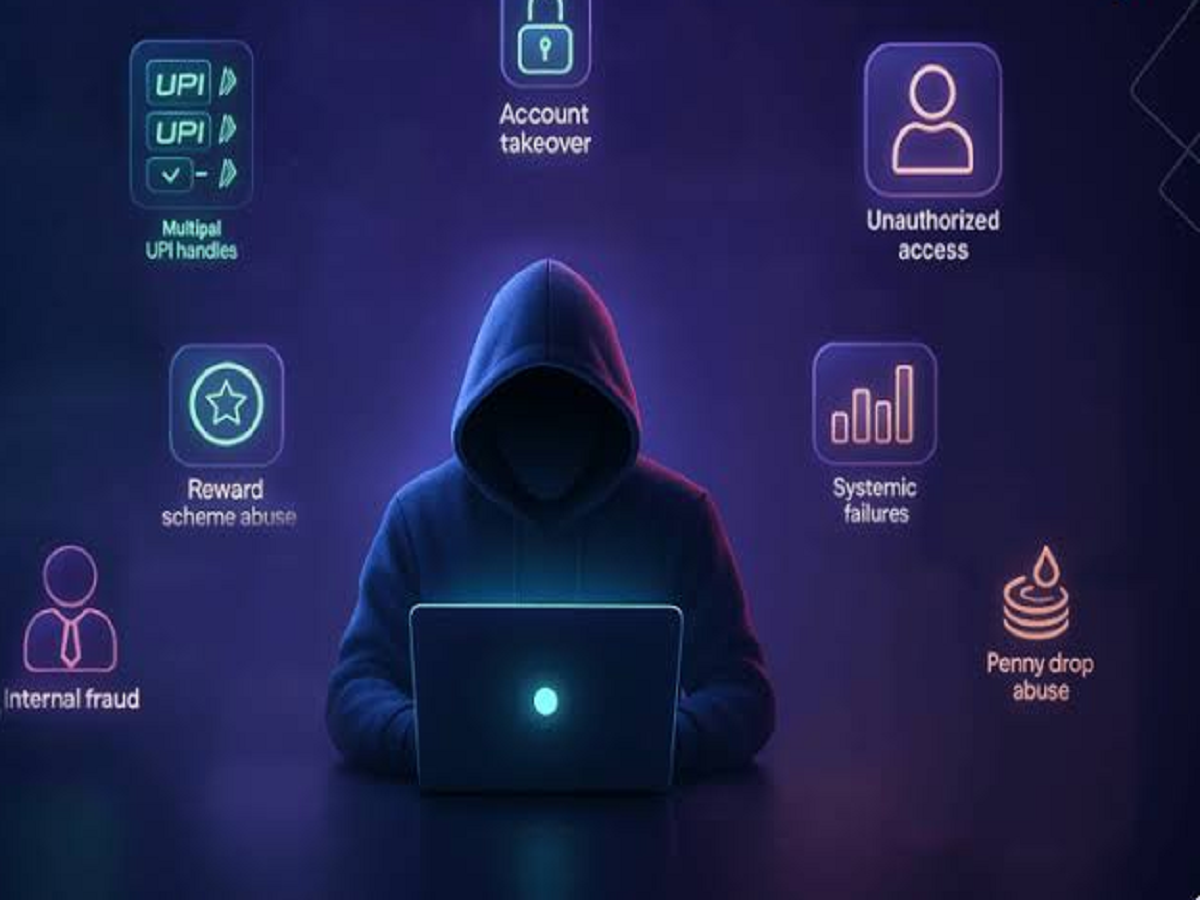
Digital payments have made life easier than ever. From buying groceries to paying electricity bills, millions of people in India use UPI apps to transfer money within seconds. But as digital transactions become more common, fraudsters are also finding new ways to trick people into revealing confidential information or authorising payments.
The biggest danger is that many scams look completely genuine. Fraudsters may impersonate bank officials, send fake payment screenshots, create fraudulent QR codes or pressure people into acting immediately.
Understanding how these tricks work can help you protect your money and personal information.
1. The Fake UPI Payment Screenshot
One common trick involves showing a seller a screenshot that appears to confirm a successful payment. The fraudster collects the goods and leaves, even though no money has actually reached the seller's account.
This can happen when someone sells a phone, furniture, clothing or another item online.
How to stay safe: Never rely solely on a screenshot or SMS shown by the buyer. Open your own UPI app or bank account and confirm that the money has been credited before handing over the item.
2. The QR Code Refund Scam
Scammers may claim that they need to scan a QR code to send you a refund or release a payment. They might pretend to be customer-support representatives or buyers interested in purchasing an item.
However, scanning a QR code and entering your UPI PIN can authorise a payment from your account.
Remember, you generally do not need to enter your UPI PIN simply to receive money.
How to stay safe: Never enter your UPI PIN to receive a refund. Check the transaction details carefully before approving any payment request.
3. Fake Bank KYC Messages
Have you received a message claiming that your bank account will be blocked unless you update your KYC immediately?
Fraudsters often use urgent language to frighten recipients into clicking links or sharing confidential information. The links may lead to fake websites designed to collect banking credentials, card details or one-time passwords.
How to stay safe: Do not click suspicious links. If you receive a KYC warning, contact your bank through its official app, website or verified customer-care number.
Never share your OTP, PIN, password or full banking credentials with someone who contacts you unexpectedly.
4. The Screen-Sharing App Trap
A fraudster may call pretending to be a bank representative or technical-support executive and ask you to install an application to resolve a payment problem.
Some remote-access or screen-sharing tools can allow another person to view sensitive information on your phone. Depending on the permissions granted, they may be able to observe OTPs or guide you into approving transactions.
How to stay safe: Never install remote-access applications at the request of an unknown caller. Banks do not need you to disclose your UPI PIN or OTP to resolve ordinary customer-service issues.
If you have already installed a suspicious application, disconnect the session, revoke its permissions and contact your bank if financial information may have been exposed.
5. The Fake Electricity Bill Warning
Some people receive messages claiming that their electricity connection will be disconnected because of an unpaid bill. The message may contain a phone number or a link asking them to make an immediate payment.
When the recipient calls, the fraudster may demand payment through a suspicious link or ask them to install an application.
How to stay safe: Verify outstanding bills through your electricity provider's official website or app. Do not trust payment instructions simply because the message mentions your name, locality or consumer details.
6. The Investment Scheme Promising Guaranteed Returns
Fraudulent investment groups often circulate screenshots of supposed profits and promise unusually high returns with little or no risk.
They may begin with small transactions to build trust before encouraging victims to invest larger sums. Some fake trading platforms even display imaginary profits to persuade users to deposit more money.
How to stay safe: Be suspicious of guaranteed high returns, pressure to invest immediately and requests to transfer money into personal accounts. Verify financial advisers and investment platforms through the relevant official regulatory channels before committing funds.
Never borrow money or invest your emergency savings based solely on messages in a WhatsApp or Telegram group.
7. The Digital Arrest Scam
In this particularly frightening form of fraud, criminals impersonate police officers, investigators or other government officials. They may claim that your Aadhaar details, bank account or identity has been connected to a serious crime.
Victims may be threatened with arrest, questioned over video calls or told to transfer money for verification.
How to stay safe: Genuine law-enforcement authorities do not conduct arrests by forcing people to transfer money over a video call. Do not send money to prove your innocence or comply with threats from an unknown caller.
End the call, preserve the available evidence and independently contact the relevant official authority if you believe the threat requires verification.
What Should You Do If Money Is Debited Fraudulently?
If you discover an unauthorised transaction, acting quickly is important.
-
Contact your bank or payment service provider immediately and report the transaction.
-
In India, call the national cybercrime helpline at 1930 as soon as possible to report financial cyber fraud.
-
Submit a complaint through the official National Cyber Crime Reporting Portal at cybercrime.gov.in.
-
Preserve transaction IDs, messages, phone numbers, screenshots and other relevant evidence.
-
Change compromised passwords and secure affected accounts. If necessary, ask your bank to block access or payment instruments.
Reporting quickly may help the authorities and financial institutions take action, although recovery of the money is not guaranteed.
Five Rules Every Digital Payment User Should Remember
-
Never share your UPI PIN, OTP or banking password.
-
Verify incoming payments directly in your bank account.
-
Do not scan unfamiliar QR codes or approve unexpected payment requests.
-
Avoid clicking links in urgent, unsolicited messages.
-
Never transfer money because someone threatens you with arrest or account suspension.
Final Word
Digital payments are convenient, but convenience should never come at the cost of financial security. Most scams rely on fear, urgency or misplaced trust rather than sophisticated technology alone.
Take a moment to verify every unusual request, check payment confirmations yourself and contact your bank through official channels whenever something feels suspicious.