LIFESTYLE
Winter Brings a Higher Risk of Pneumonia! Don't Ignore a Persistent Cough, These Warning Signs Need Attention
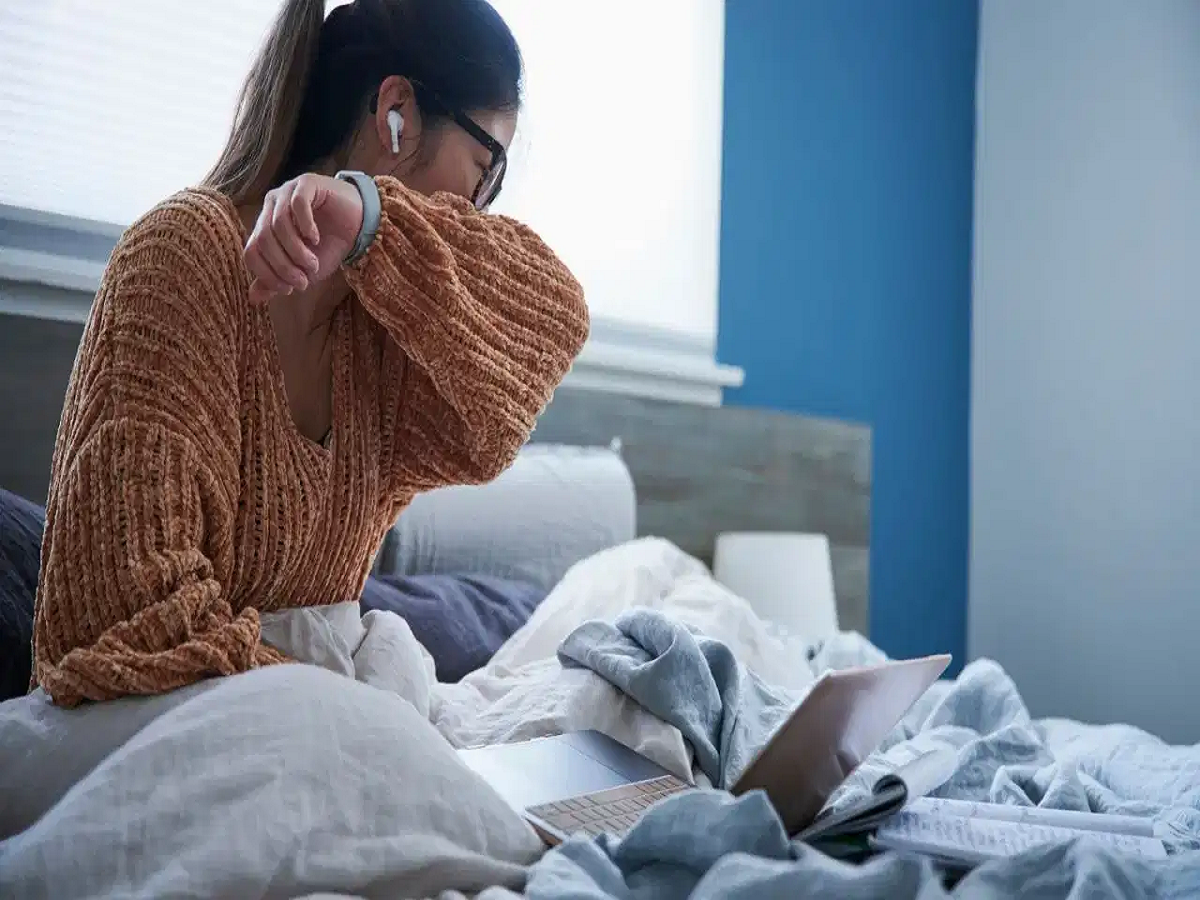
As winter approaches, falling temperatures and increasing air pollution across North India are raising concerns about respiratory infections, particularly pneumonia. After the pollution caused by Diwali celebrations, colder weather can create additional challenges for people with existing respiratory problems.
Doctors warn that pneumonia can initially resemble an ordinary cold or cough. However, if the infection progresses without timely medical attention, it can become serious and may even require hospitalisation.
India reportedly witnesses around 4 million cases of community-acquired pneumonia every year, accounting for nearly one-fourth of the global burden. Around one in five patients may require hospitalisation. Young children, particularly those below five years of age, are among the most vulnerable groups.
Why Does Pneumonia Risk Increase During Winter?
According to Dr Akshay Budhraja, Senior Consultant and Head of Respiratory and Sleep Medicine at Aakash Healthcare, air pollution and changing weather conditions can together increase the risk of respiratory infections.
Smoke and fine particulate matter can irritate and damage the airways, affecting the lungs' natural defence mechanisms. Pollution can also interfere with the ability of immune cells to fight respiratory infections.
During winter, people generally spend more time indoors, where respiratory viruses can spread more easily, particularly in poorly ventilated spaces.
When these factors combine, an ordinary respiratory infection can sometimes develop into pneumonia, especially among people with weakened immunity or existing medical conditions.
Why Should You Not Ignore a Persistent Cough?
One of the biggest concerns among doctors is that people often mistake pneumonia for a common cold and depend entirely on home remedies.
Dr Shraddha Kulkarni, Consultant in Chest Medicine and Allergy at Jupiter Hospital, Pune, explains that patients sometimes delay medical consultations because they expect their symptoms to disappear naturally.
By the time they seek medical attention, the infection may have progressed and could require more intensive treatment, including oxygen support or hospitalisation.
A cough lasting more than a week, particularly when accompanied by fever, breathlessness or chest discomfort, should be medically evaluated.
Home remedies such as ginger tea and steam may provide temporary comfort, but they cannot treat pneumonia. Taking leftover antibiotics without a doctor's prescription is also unsafe and can contribute to antibiotic resistance.
Who Is at the Highest Risk of Pneumonia?
Although pneumonia can affect people of any age, certain groups are more vulnerable to developing serious complications.
1. Young children: Children below five years of age have developing immune systems and are particularly vulnerable to respiratory infections.
2. Older adults: Age-related changes in immunity can increase the risk of pneumonia and severe complications.
3. Smokers: Smoking damages the respiratory system and weakens the lungs' natural defence mechanisms.
4. People with diabetes: Poorly controlled blood sugar can affect the body's ability to fight infections.
5. Patients with asthma and heart disease: Existing respiratory and cardiovascular conditions can increase the risk of complications.
6. Pregnant women: Pregnancy brings changes to the immune system and respiratory function, making it important to seek medical advice when respiratory symptoms develop.
Dr Archana Bajaj of Nurture IVF highlights that pregnancy changes the way a woman's body responds to infections. As the pregnancy progresses, the growing uterus can also affect lung expansion.
Pregnant women experiencing persistent coughing, fever or breathlessness should consult a doctor rather than delaying treatment.
5 Important Precautions to Reduce Pneumonia Risk During Winter
Doctors recommend following a few practical measures to protect respiratory health during the colder months.
1. Check Air Quality Before Going Outside
Monitor the Air Quality Index (AQI), particularly during periods of heavy smog. Avoid outdoor exercise and morning walks when pollution levels are particularly high.
2. Wear an N95 Mask
A properly fitted N95 mask offers better protection against fine airborne particles than a loose-fitting cloth mask. It can be particularly useful when travelling through polluted areas.
3. Maintain Indoor Air Quality
Avoid burning incense, wood or other materials unnecessarily inside the house. Keep rooms ventilated when outdoor air quality is relatively better. An air purifier with an appropriate HEPA filter can also help reduce indoor particulate pollution.
4. Maintain Proper Nutrition and Hydration
Include fruits, vegetables, protein-rich foods and other nutritious ingredients in your daily diet. Drinking sufficient water and warm fluids can help maintain hydration and soothe throat irritation.
5. Consider Recommended Vaccinations
Influenza and pneumococcal vaccines can help reduce the risk of certain respiratory infections and serious complications. They do not prevent every case of pneumonia, but they are particularly important for older adults and people with underlying medical conditions. Consult your doctor about the appropriate vaccination schedule.
4 Warning Signs That Should Never Be Ignored
Pneumonia can become serious if symptoms are not recognised early. Watch out for the following warning signs:
-
Persistent cough accompanied by fever.
-
Difficulty breathing or unusually rapid breathing.
-
Chest pain, particularly while breathing or coughing.
-
Unusual weakness, confusion or reduced appetite, especially among elderly people.
Severe breathlessness, persistent chest pain, blue or grey lips, or confusion requires immediate medical attention.
Doctors also advise families to pay attention to elderly relatives and young children. Unusual tiredness, faster breathing, reduced food intake or changes in behaviour can sometimes indicate an infection even when coughing is not severe.
Can Pneumonia Be Prevented During Winter?
Although pneumonia cannot always be prevented, maintaining good respiratory hygiene, improving indoor ventilation, avoiding smoking and following recommended vaccination schedules can reduce the risk.
The most important thing is not to dismiss a persistent cough as a minor seasonal problem. Early medical evaluation can help identify infections before they become more serious.
With increasing pollution and falling temperatures, taking care of respiratory health should be a priority, particularly for children, older adults and people with existing medical conditions.