LIFESTYLE
New COVID Variant PJ.2.1 Spreads Across Multiple Countries! Should India Be Worried About Another Coronavirus Wave?
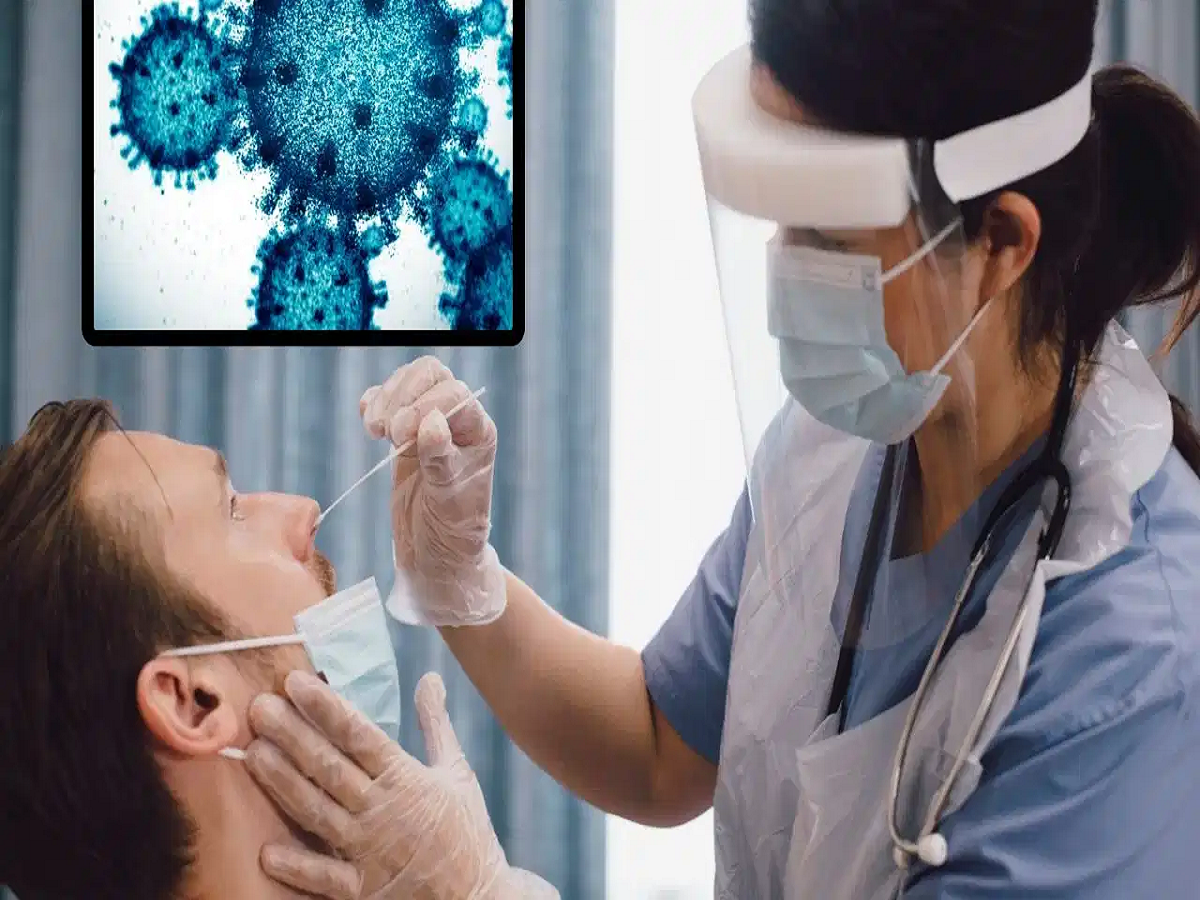
The coronavirus is once again attracting global attention following reports of a new variant known as PJ.2.1. After the pandemic disrupted lives across the world, the emergence of another COVID-19 variant has raised questions about its potential risks and whether countries like India need to take additional precautions.
According to reports, PJ.2.1 has been detected in several countries, including the United States, Australia, Singapore and parts of Europe. Researchers are closely monitoring the variant because of the genetic changes observed in its spike protein, which plays an important role in helping the virus enter human cells.
However, there is currently no conclusive evidence that PJ.2.1 causes more severe illness than previously circulating variants. Its symptoms also appear similar to those of seasonal influenza and other respiratory infections, making diagnosis based on symptoms alone difficult.
What Is the New Coronavirus Variant PJ.2.1?
PJ.2.1 is a reported variant of SARS-CoV-2, the virus responsible for COVID-19. It was first identified on May 2, 2026, in Ontario, Canada, and was subsequently reported in other regions.
Its presence has also been reported in countries such as the United States, Singapore, Australia, New Zealand, Israel, France and Spain.
A study published in the Journal of Infection in October 2026 reportedly linked PJ.2.1 to an older variant, MC.10.1.7, belonging to the JN.1 lineage.
Researchers have described it as a saltation variant. This term refers to a virus that has undergone several genetic changes over a relatively short period rather than evolving through smaller, gradual mutations.
Why Could PJ.2.1 Spread More Easily?
One of the major areas of research surrounding PJ.2.1 is its spike protein, which helps the coronavirus attach to and enter human cells.
Researchers have observed changes that may improve the virus's ability to bind to the ACE2 receptor. This receptor is present on the surface of several types of human cells and plays an important role in coronavirus entry.
Laboratory experiments have reportedly indicated that PJ.2.1 may have a greater ability to enter certain cells compared with some other variants.
However, laboratory findings do not automatically translate into faster transmission among humans. Further research and epidemiological monitoring are necessary to understand how easily the variant spreads in real-world conditions.
What Are the Symptoms of COVID Variant PJ.2.1?
So far, researchers have not identified a specific symptom that uniquely distinguishes PJ.2.1 from other COVID-19 variants.
The reported symptoms are similar to those associated with common respiratory infections and seasonal flu.
Some commonly reported symptoms include:
-
Fever and chills.
-
Sore throat and throat irritation.
-
Persistent cough.
-
Runny or blocked nose.
-
Headache.
-
Muscle pain and body aches.
-
Fatigue and general weakness.
Some reports have also mentioned prolonged tiredness and severe throat discomfort following infection. However, these symptoms are not specific to PJ.2.1.
According to the World Health Organization, COVID-19 and influenza can produce similar symptoms. Therefore, identifying the exact infection through symptoms alone can be difficult. Testing may be necessary depending on the symptoms, medical history and doctor's advice.
Is PJ.2.1 More Dangerous Than Earlier COVID Variants?
One of the biggest concerns whenever a new coronavirus variant emerges is whether it can cause more severe illness, hospitalisation or deaths.
At present, there is no strong clinical evidence establishing that PJ.2.1 is more dangerous than earlier variants.
Some laboratory research has also indicated that antibodies generated through vaccination against earlier variants can still recognise and neutralise PJ.2.1.
This is encouraging because it suggests that the variant may not completely escape existing vaccine-induced immunity. However, laboratory results alone cannot establish how effectively vaccines prevent infection or severe disease in real-world conditions.
Scientists will need more clinical and epidemiological data before drawing firm conclusions.
Who Should Be More Careful About This Variant?
Although there is no confirmed evidence of increased severity, certain groups should remain particularly cautious about respiratory infections.
These include:
-
Older adults, particularly those above 60.
-
People with weakened immune systems.
-
Individuals with diabetes.
-
People suffering from heart or lung diseases.
-
Individuals with other conditions that increase the risk of severe respiratory infections.
People experiencing respiratory symptoms should seek medical advice, particularly if they belong to a high-risk group.
Difficulty breathing, persistent chest pain or pressure, confusion or severe weakness requires urgent medical attention.
Does India Need to Worry About PJ.2.1?
The emergence of PJ.2.1 in several countries makes continued monitoring important for India as well.
However, the presence of this particular variant in India cannot be confirmed from the information currently available in the report. It is also important to note that the variant was not included in the WHO's Variant Monitoring List dated July 27, 2026.
This does not mean that the virus should be ignored. Continuous genomic surveillance helps health authorities identify new variants and understand whether they are spreading within the country.
For now, there is no reason for unnecessary panic. Maintaining basic precautions remains sensible, particularly during periods of increased respiratory infections.
5 Precautions to Protect Yourself From Respiratory Infections
Even without a new COVID wave, following basic preventive measures can reduce the risk of respiratory infections.
-
Wear a mask in crowded places: This can be particularly useful in poorly ventilated indoor environments.
-
Maintain hand hygiene: Wash your hands regularly, especially before eating and after returning from public places.
-
Improve indoor ventilation: Keep rooms properly ventilated to reduce the accumulation of infectious respiratory particles.
-
Avoid close contact when sick: Stay home when experiencing symptoms and avoid exposing vulnerable family members.
-
Consult a doctor about vaccination: People at higher risk should discuss appropriate COVID-19 vaccination and booster recommendations with their healthcare providers.
Should Indians Be Worried About Another COVID Wave?
The emergence of PJ.2.1 is a reminder that coronavirus continues to evolve. However, the appearance of a new variant does not automatically mean another major pandemic or a fresh wave of severe infections.
At present, the available information does not establish that PJ.2.1 causes more severe disease or poses an immediate threat to India.
The most important priorities are scientific monitoring, timely testing, appropriate medical care and awareness of preventive measures. Rather than panicking, people should stay informed and follow reliable public health advice.