BUSINESS
Big government update for persons with disabilities: Pension eligibility expanded, children can now qualify from birth
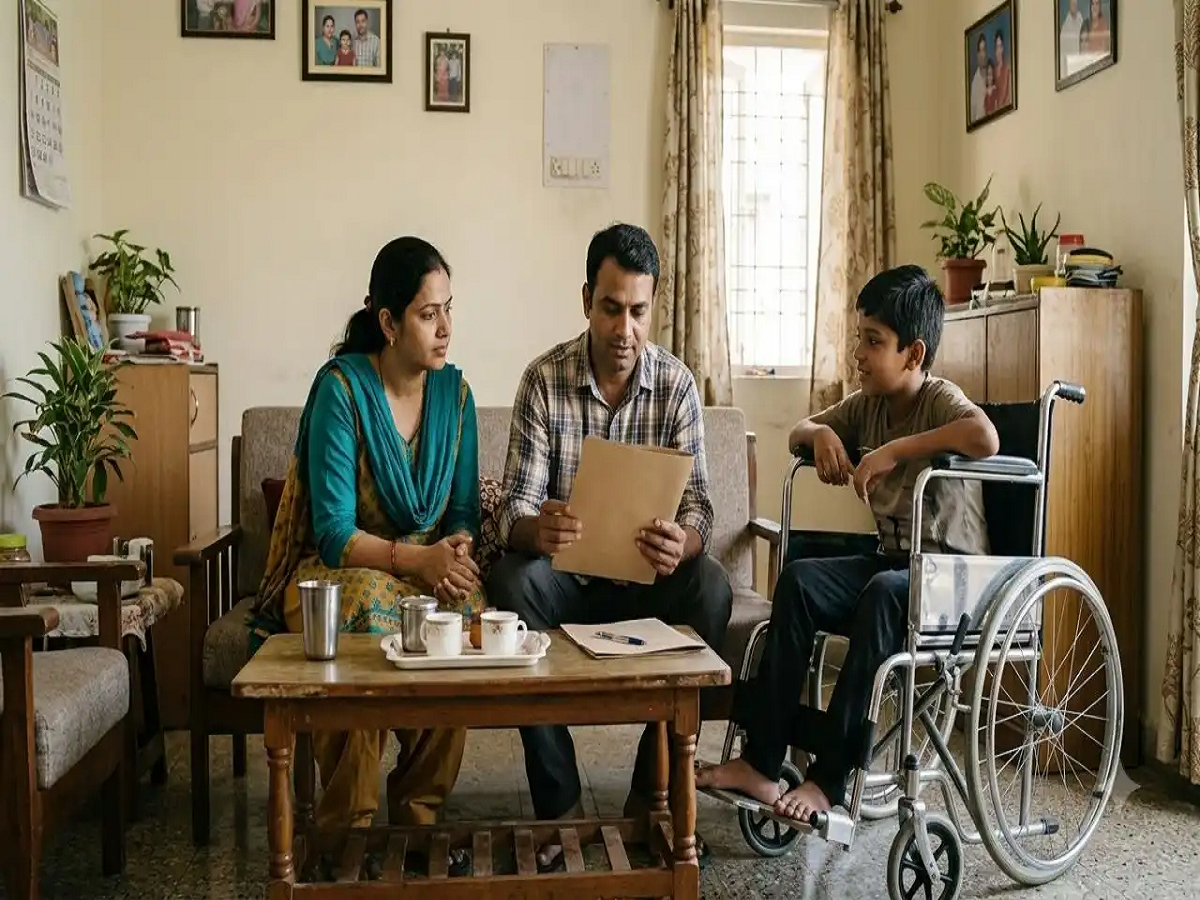
The Central Government has announced a significant change to its social assistance pension programme, bringing relief to lakhs of persons with disabilities and their families. Under the revised rules approved in October 2026, the disability pension eligibility criteria have been expanded, the minimum age requirement has been removed, and the amount of central financial assistance has been increased.
The National Social Assistance Programme (NSAP) will also continue for another five years, from 2026-27 to 2030-31, with a total allocation of ₹53,428 crore. The programme has been renamed the Pradhan Mantri Samajik Sahayata Yojana.
Who is eligible for the revised disability pension?
One of the biggest changes is the reduction in the disability threshold. Earlier, applicants generally needed to have 80% or more disability to qualify under the central disability pension scheme.
Under the revised criteria, the requirement has been aligned with the Rights of Persons with Disabilities Act, 2016. Applicants with benchmark disabilities of 40% or more can now become eligible, subject to the other scheme conditions.
Another important change is the removal of the minimum age requirement. This means eligible children with benchmark disabilities can also qualify from birth instead of having to wait until they turn 18.
How much pension will beneficiaries receive?
The government has revised the central assistance under the disability pension scheme.
The new rates are:
-
₹375 per month for beneficiaries up to 79 years of age.
-
₹625 per month for beneficiaries aged 80 years and above.
These amounts represent the central government's contribution. State governments and Union Territories may provide additional financial assistance, so the total pension received can vary depending on the state.
What are the other eligibility conditions?
Apart from the disability certificate, applicants must meet the applicable household and scheme requirements.
Key conditions include:
-
The applicant must have a certified benchmark disability of at least 40%.
-
The household must fall under the Below Poverty Line (BPL) category.
-
A valid disability certificate issued by the authorised certifying authority is required.
-
Applications must be made through the relevant state welfare department.
Removing the age restriction does not mean that every person with a disability automatically qualifies. The other eligibility conditions continue to apply.
How can eligible people apply?
The government has stated that revised guidelines covering eligibility, beneficiary numbers and assistance rates will be issued for implementation.
Applicants should therefore contact their respective state social welfare or disability welfare department for the latest application procedure and document requirements.
Keep the following documents ready:
-
Disability certificate issued by the authorised medical authority.
-
Aadhaar card or other accepted identity proof.
-
BPL or applicable household eligibility documents.
-
Bank account details for receiving pension payments.
-
Age and address proof, wherever required.
Applicants should wait for the updated state-level instructions before relying on older application forms or eligibility criteria.
Why is this government decision important?
The earlier 80% disability requirement excluded many people with substantial disabilities from receiving central pension assistance. By lowering the threshold to 40%, the government has widened the potential coverage of the scheme.
Removing the minimum age requirement is another major step because families with children who have benchmark disabilities may now be able to seek financial support without waiting until adulthood.
The government has estimated that the number of beneficiaries under the disability pension component will increase from approximately 8.33 lakh to 27.48 lakh.
For eligible families, this change could provide an important source of financial assistance. However, beneficiaries should check the final revised guidelines and their state government's implementation details before applying.