LIFESTYLE
Why Are Camels Disappearing from Rajasthan's Famous Pushkar Fair? Here's What Is Behind the Decline
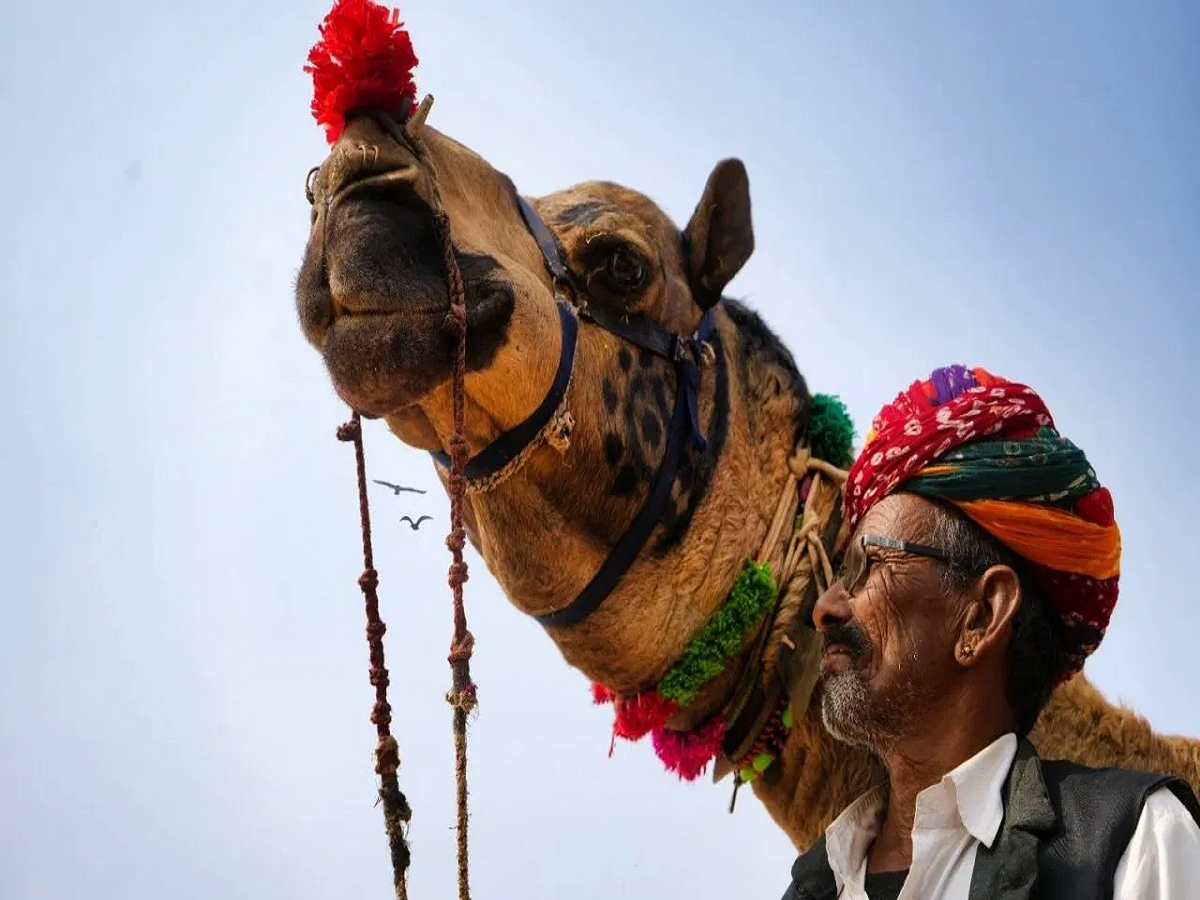
The Pushkar Fair in Rajasthan has long been associated with its beautifully decorated camels, traditional livestock trading and vibrant rural culture. For generations, camel herders and traders travelled from different parts of Rajasthan to participate in this famous annual event. However, a worrying change is becoming increasingly visible: the number of camels attending the Pushkar Fair is declining.
Once considered the biggest attraction of the fair, camels are increasingly becoming a part of photography and cultural performances rather than livestock trading. The situation has raised concerns among camel herders, traders and animal husbandry officials about the future of camel rearing in Rajasthan.
1. Camel Numbers Have Declined Significantly
The declining presence of camels at the Pushkar Fair reflects a much larger problem affecting Rajasthan's traditional camel-rearing community.
According to the 2019 Livestock Census, Rajasthan had 212,739 camels, compared with 421,836 in 2007.
This represents a decline of nearly 50% in just 12 years.
Camel owners say the change is also visible in traditional competitions. Ashok, who brought his six-year-old camel Sultan to the fair, explained that around 10–15 camels used to participate in beauty competitions approximately a decade ago. Today, the number has reportedly fallen to just five.
2. Shrinking Grazing Land Is Making Camel Rearing Difficult
One of the biggest reasons behind the decline is the shortage of grazing land.
Camels traditionally depend on open pastures, forests and natural vegetation for food. Unlike animals that can be maintained primarily through stall feeding, camel rearing requires access to large grazing areas.
However, increasing encroachment, fencing and restrictions on forest grazing have reduced the availability of traditional grazing grounds.
Camel herder Deva, who owns 10 camels, says that maintaining these animals has become increasingly difficult because they need sufficient open land to move around and find food.
Without adequate grazing facilities, the cost and effort involved in maintaining camels have increased considerably.
3. Low Camel Milk Prices Are Affecting Herder Income
Another major challenge is the poor financial return from camel rearing.
According to camel herders at the fair, camel milk sells for approximately Rs 10–20 per litre, whereas cow and buffalo milk can fetch around Rs 40–50 per litre.
This price difference makes camel rearing less attractive as a livelihood.
Although camel milk has nutritional value and is increasingly attracting attention in specialised markets, its distribution and commercial demand remain limited.
Herders believe that better market access and fairer prices could help make camel farming financially sustainable.
4. Mechanisation Has Reduced the Traditional Demand for Camels
Camels once played an important role in Rajasthan's rural economy. They were used for transportation, agricultural activities and carrying goods across desert regions.
However, the increasing availability of tractors, trucks and other modern vehicles has reduced their traditional importance.
Mechanised farming has also replaced many activities in which camels were previously used.
As a result, farmers and traders have fewer economic reasons to purchase and maintain these animals.
5. Rajasthan Camel Act Has Also Affected Interstate Trade
The Rajasthan Camel (Prohibition of Slaughter and Regulation of Temporary Migration or Export) Act, 2015, introduced restrictions concerning camel slaughter and the temporary migration or export of camels.
These regulations were intended to protect the state's camel population. However, restrictions on movement and trade have also affected traditional commercial activities.
According to animal husbandry officials, these restrictions, combined with shrinking grazing areas and declining demand, have contributed to the difficulties faced by camel owners.
6. Younger Generations Are Moving Away from Camel Rearing
The economic challenges associated with camel farming are also affecting the next generation.
Maintaining camels requires land, time, money and considerable effort. When the income generated from these animals is insufficient, younger family members increasingly look for alternative occupations.
This creates a long-term conservation concern because traditional camel-rearing knowledge and practices may gradually disappear.
7. Can Camel Milk and Tourism Help Save Rajasthan's Camels?
Animal husbandry officials believe that improving the commercial value of camel products could help reverse the decline.
Dr. Naveen Parihar, Joint Director of the Animal Husbandry Department, has highlighted the importance of developing better markets for camel milk.
He also suggested creating a dedicated camel village near Pushkar, modelled on Jaipur's Elephant Village, which could function as a shelter and conservation centre.
Such an initiative could support camel owners while promoting awareness, tourism and traditional animal-rearing practices.
The Pushkar Fair itself could also play a larger role in promoting camel conservation through organised competitions, cultural programmes and opportunities for herders to earn sustainable incomes.
From Rajasthan's Desert Pride to a Photography Attraction
The changing appearance of the Pushkar Fair tells a larger story about the challenges facing Rajasthan's traditional rural economy.
Today, many photographers visit the fairgrounds to capture decorated camels against the desert sunrise. According to local accounts, camel owners can earn around Rs 2,000–3,000 from photography sessions.
However, this income cannot replace the traditional economic role that camels once played in rural communities.
Saving Rajasthan's camels will require more than celebrating their beauty at an annual fair. Better grazing facilities, improved milk markets, sustainable trading opportunities and financial support for herders will be essential to protect this important part of the state's cultural heritage.