BUSINESS
EPFO’s New Systematic Withdrawal Plan: Withdraw ₹15,000 Every Month and Still Retain a ₹37 Lakh Retirement Corpus
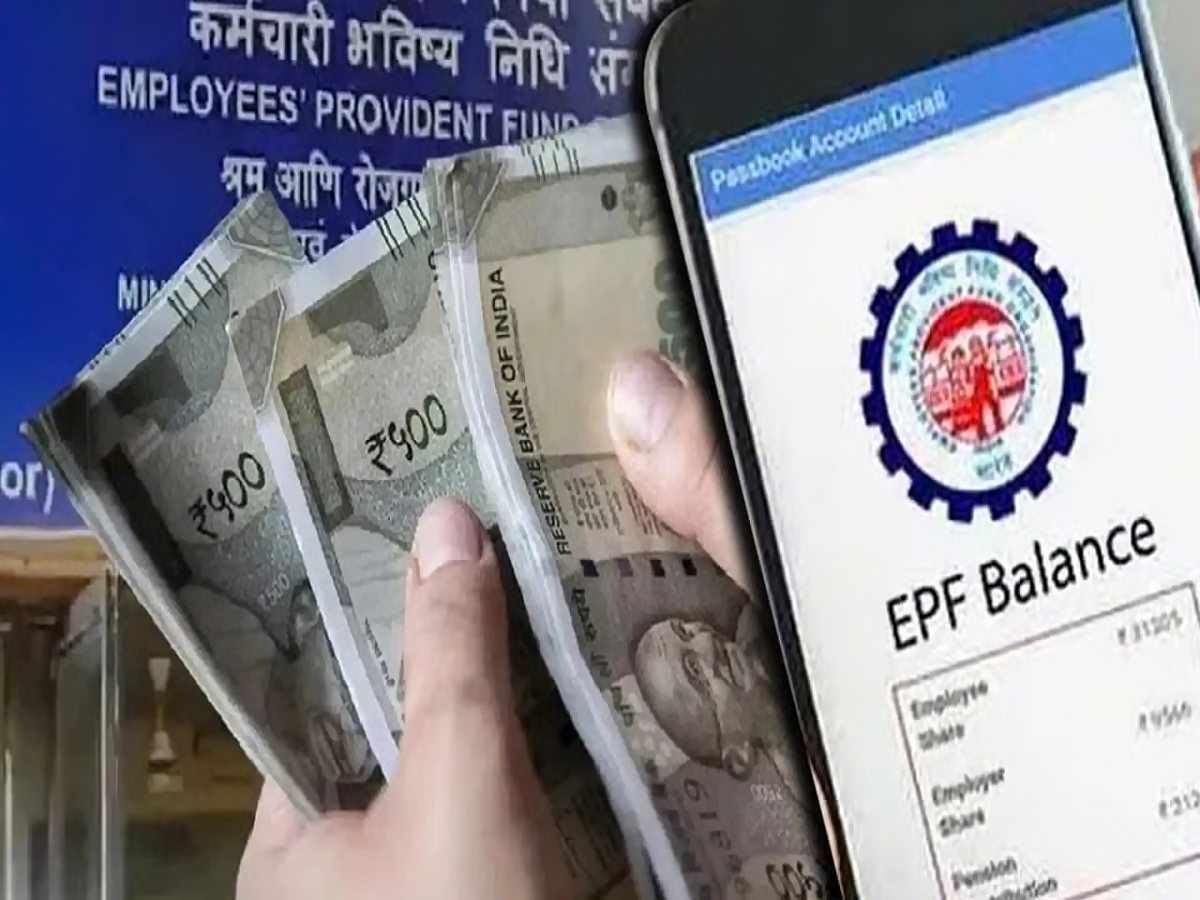
Retirement planning often presents a difficult choice: withdraw the entire Employees’ Provident Fund (EPF) balance and invest it elsewhere, or leave the money invested and find another source of regular income. The Employees’ Provident Fund Organisation (EPFO) is proposing a facility that could offer retirees another option.
The proposed Systematic Withdrawal Plan (SWP) would allow eligible EPF members to withdraw their accumulated savings in regular instalments instead of taking the entire amount at once. The remaining balance would continue to earn interest at the applicable EPF rate, potentially helping retirees maintain a regular income while preserving their retirement corpus.
The proposal was approved by the Central Board of Trustees (CBT), EPFO’s highest decision-making body, at its 240th meeting on November 19, 2026. However, the detailed framework and implementation conditions will depend on the required amendments and official notifications.
Who Could Benefit from EPFO’s SWP Facility?
According to the Labour Ministry, approximately 6.32 lakh EPF members above the age of 55, with provident fund balances exceeding ₹5 lakh, could be among the initial beneficiaries.
The facility is expected to be particularly useful for employees approaching retirement who want a regular income from their accumulated savings rather than withdrawing the entire amount immediately.
It could also benefit retirees who do not have a substantial pension or another dependable source of income. Instead of transferring their entire EPF corpus into fixed deposits or other investments, they may be able to retain the remaining balance in their EPF account and withdraw money periodically.
This approach could reduce the pressure of making an immediate reinvestment decision after retirement.
How Will EPFO’s Systematic Withdrawal Plan Work?
Under the proposed SWP facility, eligible members would be able to withdraw a portion of their EPF savings at regular intervals.
The withdrawal frequency is expected to include:
-
Monthly withdrawals
-
Quarterly withdrawals
-
Half-yearly withdrawals
The amount left in the EPF account would continue to earn interest at the applicable rate. This means retirees could receive periodic payments while the unwithdrawn portion of their savings remains invested.
The facility is expected to be voluntary. Members who prefer to withdraw their entire eligible EPF balance would not be compelled to choose periodic withdrawals.
The proposal also addresses the interests of family members. If a member dies while using the facility, nominees or eligible dependants would be able to withdraw the remaining balance or continue receiving periodic payments, subject to the final rules.
The Calculation: What Happens If You Withdraw ₹15,000 Every Month?
Consider a retired employee with an EPF balance of ₹25 lakh. Suppose the employee chooses to withdraw ₹15,000 every month while the remaining balance continues to earn interest at an assumed annual rate of 8.25%.
Over 20 years, the employee would withdraw:
-
Monthly withdrawal: ₹15,000
-
Annual withdrawal: ₹1.8 lakh
-
Total withdrawals over 20 years: ₹36 lakh
Under this illustrative calculation, the remaining EPF balance could grow to approximately ₹37.66 lakh after 20 years.
<text>Illustrative projection</text>
| Period | Total withdrawn | Approximate remaining corpus |
|---|---|---|
| 1 year | ₹1.8 lakh | ₹25.26 lakh |
| 5 years | ₹9 lakh | ₹26.54 lakh |
| 10 years | ₹18 lakh | ₹28.87 lakh |
| 15 years | ₹27 lakh | ₹32.37 lakh |
| 20 years | ₹36 lakh | ₹37.66 lakh |
The illustration assumes a constant 8.25% annual interest rate, monthly withdrawals of ₹15,000 and monthly compounding. Actual returns and balances may differ depending on the interest rates declared, the final withdrawal rules and the method used to calculate interest.
The key takeaway is that, under these assumptions, the accumulated interest exceeds the amount withdrawn over time, allowing the remaining corpus to grow despite regular withdrawals.
Will the SWP Replace the Monthly EPF Pension?
No. The proposed Systematic Withdrawal Plan is different from the Employees’ Pension Scheme (EPS).
Under EPS, eligible employees can receive a monthly pension after completing the required service conditions, including at least 10 years of eligible pensionable service.
The proposed SWP, on the other hand, would allow members to access their accumulated EPF savings through periodic withdrawals.
Therefore, eligible retirees could potentially receive both benefits:
-
A monthly pension under EPS.
-
Additional income through periodic withdrawals from their EPF savings.
The two facilities serve different purposes and could complement each other in retirement planning.
What Happens to the Remaining EPF Money If the Member Dies?
The proposal also seeks to protect the financial interests of nominees and dependants.
If an EPF member dies while receiving periodic payments, eligible family members would reportedly have the option of withdrawing the remaining balance or continuing to receive instalments.
This provision could offer families greater financial flexibility and help them access retirement savings without necessarily requiring an immediate full withdrawal.
However, the precise procedure, eligibility conditions and payment arrangements will depend on the final implementation guidelines.
When Will the EPFO SWP Facility Be Implemented?
Although the Central Board of Trustees has approved the proposal, members should distinguish between approval and actual implementation.
The Labour Ministry has indicated that the necessary amendments to the EPF Scheme will be notified following approval. The government is also working with the Finance Ministry on the required changes to the Income Tax Act.
Until the final rules are notified, details such as withdrawal limits, eligibility conditions, payment procedures and tax treatment should be treated as subject to change.
A New Option for Managing Retirement Savings
The proposed EPFO Systematic Withdrawal Plan could provide retirees with an additional way to manage their provident fund savings. Instead of making a single large withdrawal at retirement, members may be able to generate regular income while keeping the remaining corpus invested.
For retirees who want predictable cash flow without immediately moving their entire savings into other financial products, this could be a useful option.
However, the final benefit will depend on the scheme's notified rules, the interest rate applicable over time and the individual's retirement income requirements. The ₹25 lakh corpus example is an illustration, not a guaranteed return or assurance that every retiree will be able to withdraw ₹15,000 per month under the final scheme.