ENTERTAINMENT
Mahabharata’s Krishna Nitish Bharadwaj Calls Ranbir Kapoor’s Ramayana an ‘Agenda Film’; Criticises Ravana’s Portrayal
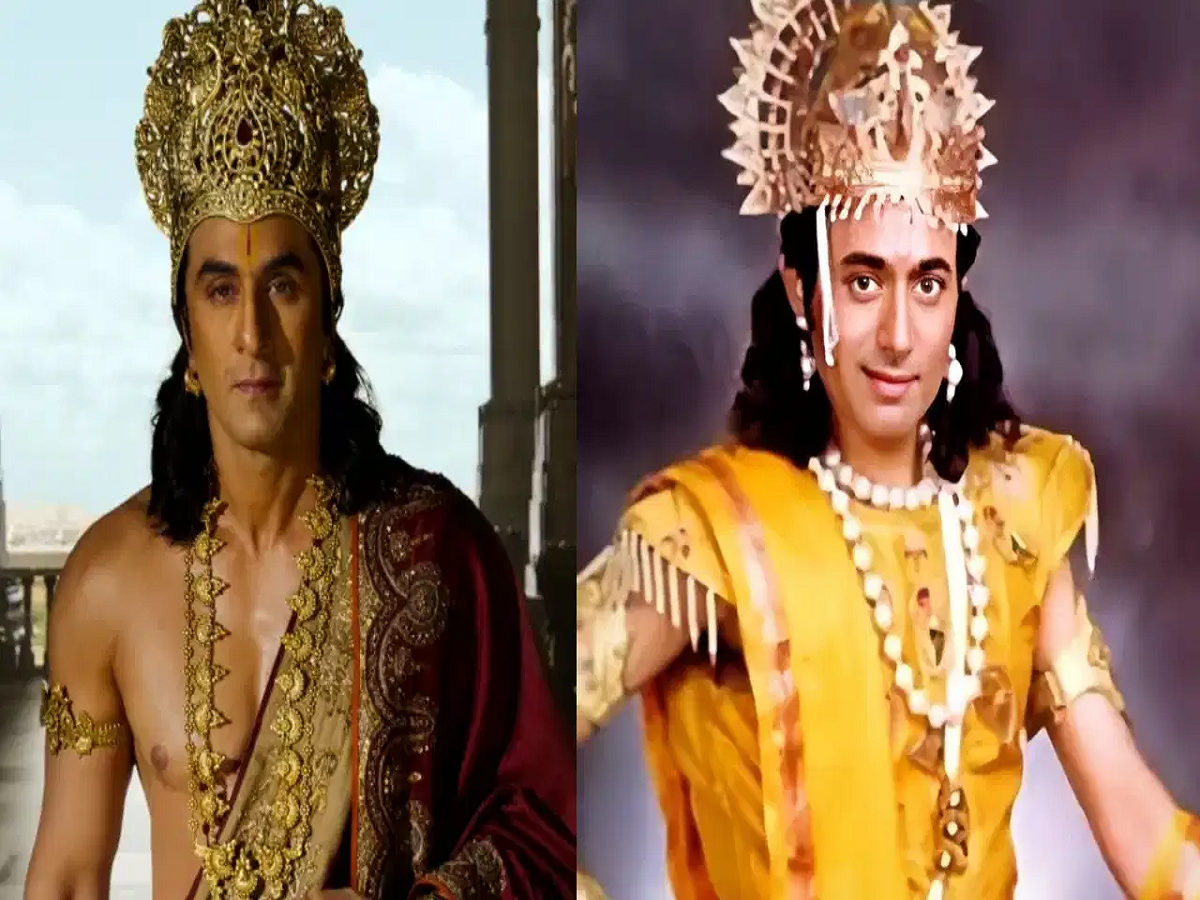
Ranbir Kapoor’s much-discussed film Ramayana has attracted attention not only for its cinematic presentation but also for the debate surrounding its portrayal of characters from the epic. While the film has reportedly received a positive response from several viewers, some personalities associated with earlier television adaptations have expressed reservations about its storytelling.
After Sunil Lahiri, who played Lakshman in Ramanand Sagar’s Ramayan, criticised the film’s emotional depth and music, actor Nitish Bharadwaj has also shared his views. Bharadwaj, widely remembered for playing Lord Krishna in B.R. Chopra’s Mahabharat, described the film as an "agenda film" and raised concerns about how Lord Ram and Ravana have been presented.
What Did Nitish Bharadwaj Say About Ranbir Kapoor’s Ramayana?
After watching the film in theatres, Nitish Bharadwaj reportedly criticised its portrayal of Lord Ram. He felt that the character appeared too expressionless and lacked the dignity and emotional depth associated with the ideal of Maryada Purushottam.
According to his review, the scene depicting Ram's departure from Ayodhya lacked the emotional intensity expected from such an important moment. He also questioned the portrayal of the people of the Suryavanshi kingdom, suggesting that their reactions did not adequately reflect the emotional significance of the situation.
Bharadwaj's criticism centred on the belief that a film based on the Ramayana should communicate the values, dignity and emotional complexity of its central characters.
Nitish Bharadwaj Raises Questions About Ravana’s Character
One of the strongest parts of Bharadwaj's criticism concerned the portrayal of Ravana.
He reportedly argued that the film gives Ravana a heroic image while failing to adequately highlight the negative aspects of his character. In his view, this risks changing the traditional distinction between the hero and the antagonist.
Bharadwaj also compared the characterisation of Ravana to that of a Marxist-communist leader, suggesting that the film presents him in a way that could make audiences sympathise with him.
He expressed concern that viewers unfamiliar with the original Ramayana might form their understanding of Ravana primarily through the film and begin seeing the character as a fashionable or admirable figure.
His comments have added another dimension to the debate over how filmmakers should adapt religious and mythological stories for modern audiences.
Sunil Lahiri Also Criticised the Film’s Emotional Depth
Nitish Bharadwaj is not the first actor associated with an iconic television adaptation of the Ramayana to express disappointment.
Sunil Lahiri, who portrayed Lakshman in Ramanand Sagar’s television series, had also raised concerns about the film. He reportedly felt that certain scenes lacked emotional impact and criticised some of the songs.
The reactions from actors associated with earlier adaptations have encouraged discussions about the differences between traditional interpretations of the epic and modern cinematic presentations.
Ramayana’s Box Office Performance Reportedly Slows Down
The film has also attracted attention for its reported box-office performance. According to the figures cited in the report, its earnings slowed during the second week, with collections on the 15th day falling below ₹20 crore.
Despite the reported slowdown, the film was claimed to have crossed ₹1,500 crore in worldwide collections within its first 15 days.
However, these box-office figures have not been independently verified here. The reported Indian rupee collection should also not be confused with US dollars: ₹15 billion is approximately ₹1,500 crore, not $1.5 billion.
Debate Over the Modern Portrayal of the Ramayana
The criticism from Nitish Bharadwaj highlights a larger question about adapting mythology for contemporary cinema. Filmmakers often reinterpret familiar characters to offer audiences a different perspective, but such creative choices can also invite criticism from viewers who expect traditional portrayals.
For Bharadwaj, the central concern appears to be whether the film preserves the emotional depth and moral distinctions that audiences associate with the Ramayana.
As discussions continue, the film's interpretation of Lord Ram and Ravana is likely to remain an important part of the conversation surrounding this adaptation.