LIFESTYLE
Weight Loss Drugs Are Changing Britain's Shopping Habits: 1 in 10 Households Now Uses Them, Alcohol Spending Falls
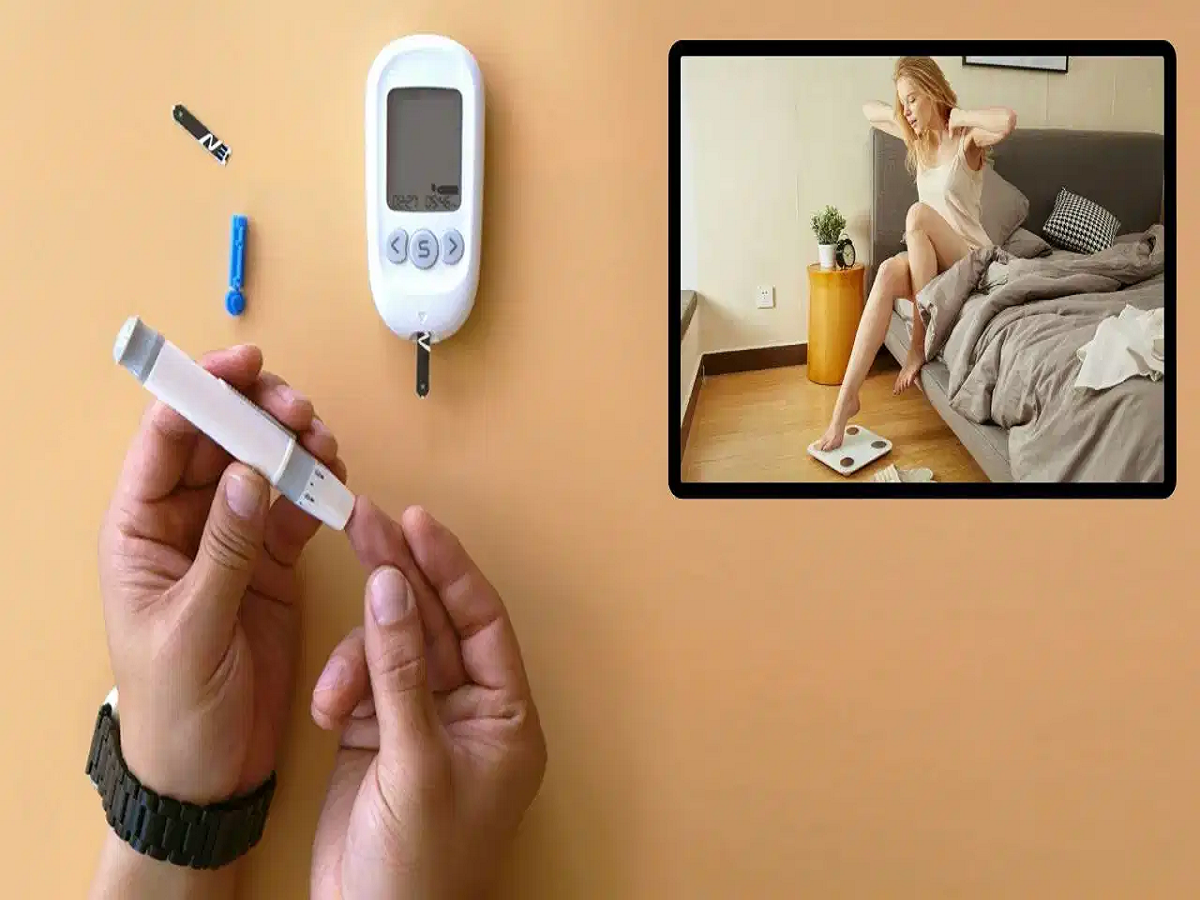
Weight loss medications are becoming increasingly popular in Britain, with nearly one in every 10 households now having at least one member using these drugs. However, their growing popularity is not just transforming people's health and eating habits. A new study suggests that these medications are also changing household spending patterns, supermarket purchases and the food and beverage industry.
According to research by Worldpanel by Numerator, the proportion of households in Great Britain using weight loss medications increased from 6.3% in February 2026 to 8.5% in August 2026. The findings indicate how quickly these treatments are becoming part of everyday life.
2.6 Million Adults Are Now Using Weight Loss Drugs
The study estimates that approximately 2.6 million adults in Britain were using weight loss medications by August 2026, representing an increase of around 700,000 users compared with February.
The growing availability of these medications, increasing awareness about obesity treatments and the introduction of oral alternatives are among the factors contributing to their popularity.
GLP-1 medications, which influence appetite regulation and blood sugar control, have become particularly prominent in the weight management market.
Households Are Spending Less on Food and Groceries
One of the most interesting findings of the research is the impact of weight loss medications on household shopping habits.
According to the report, households with someone taking GLP-1 medications purchased approximately £1 billion less in groceries over the year following treatment initiation than they otherwise would have.
On average, these households reduced their annual grocery purchases by approximately £389.
The research, which covered more than 9,600 households, suggests that reduced appetite and smaller food portions may be influencing how frequently people shop and how much food they purchase.
More Men Are Turning Towards Weight Loss Medications
Weight loss medications were previously associated more strongly with female users. However, the latest findings indicate that men's participation is increasing.
According to the survey:
-
In February 2026, men accounted for 23% of people using weight loss medications.
-
By August 2026, their share had increased to 32%.
-
The estimated number of male users rose from approximately 440,000 to 830,000.
This shift suggests that weight management treatments are attracting a broader audience, including an increasing number of men.
Weight Loss Pills Are Becoming an Alternative to Injections
Another factor contributing to the popularity of GLP-1 medications is the availability of oral treatment options.
Traditionally, several well-known weight loss medications have been administered through injections. However, newer oral alternatives are providing additional choices for people who prefer tablets.
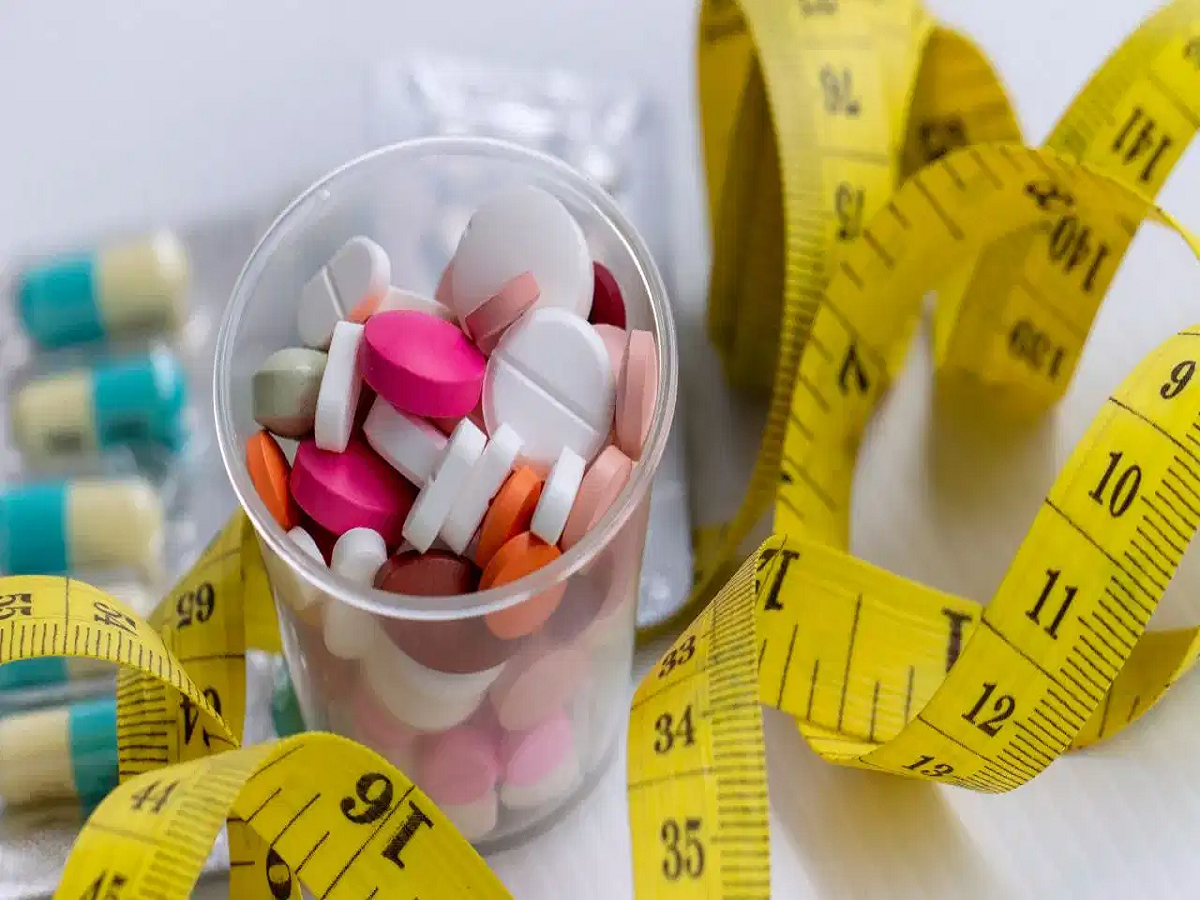
According to the report, an oral Wegovy option became available in Britain in July 2026. By August, approximately 11.2% of GLP-1 medication users were taking the pill, while the majority continued using injectable treatments.
The availability of tablets could make treatment more convenient for some patients, although suitability depends on medical advice and individual health requirements.
Alcohol and Chips Purchases Are Declining
The research also highlights changes in food and beverage spending among households using weight loss medications.
One notable finding is the reduction in alcohol purchases. Households using GLP-1 medications reportedly spent 15% less on alcohol compared with households where nobody was taking these treatments.
Purchases of potato chips and other snack foods have also declined.
This may be partly linked to changes in appetite, food cravings and portion sizes. Since GLP-1 medications influence appetite and feelings of fullness, some users may find themselves purchasing fewer snacks and indulgent food products.
These changes could have wider implications for supermarkets, packaged food manufacturers and the alcohol industry.
Ready-Made Meals and Hot Chocolate See Growing Demand
Interestingly, reduced food consumption does not mean that people taking weight loss medications have completely stopped enjoying their favourite foods.
The research also identifies changing preferences towards certain convenient food options, including ready-made meals and hot chocolate.
This suggests that consumers may be adjusting their food choices and portion sizes rather than eliminating all indulgent products from their diets.
For food manufacturers and retailers, these changing preferences could create new opportunities to develop products suited to consumers who prefer smaller portions and convenient meals.
How Weight Loss Drugs Could Change the Food Industry
The growing use of GLP-1 medications is creating changes beyond the healthcare sector. Supermarkets, food manufacturers, beverage companies and restaurants may all need to respond to evolving consumer preferences.
As more households adopt these treatments, demand for traditional snack products, alcohol and larger food portions could face pressure, while smaller meals and portion-controlled products may attract greater interest.
However, the long-term impact will depend on how widely these medications are adopted and whether current changes in purchasing behaviour continue.
The findings highlight an important development: weight loss medications are no longer influencing only individual health decisions. They are increasingly becoming a factor in household budgets, consumer behaviour and the wider food economy.