LIFESTYLE
What should a diabetic patient's diet look like? What to eat and what to avoid? Take note of this immediately…
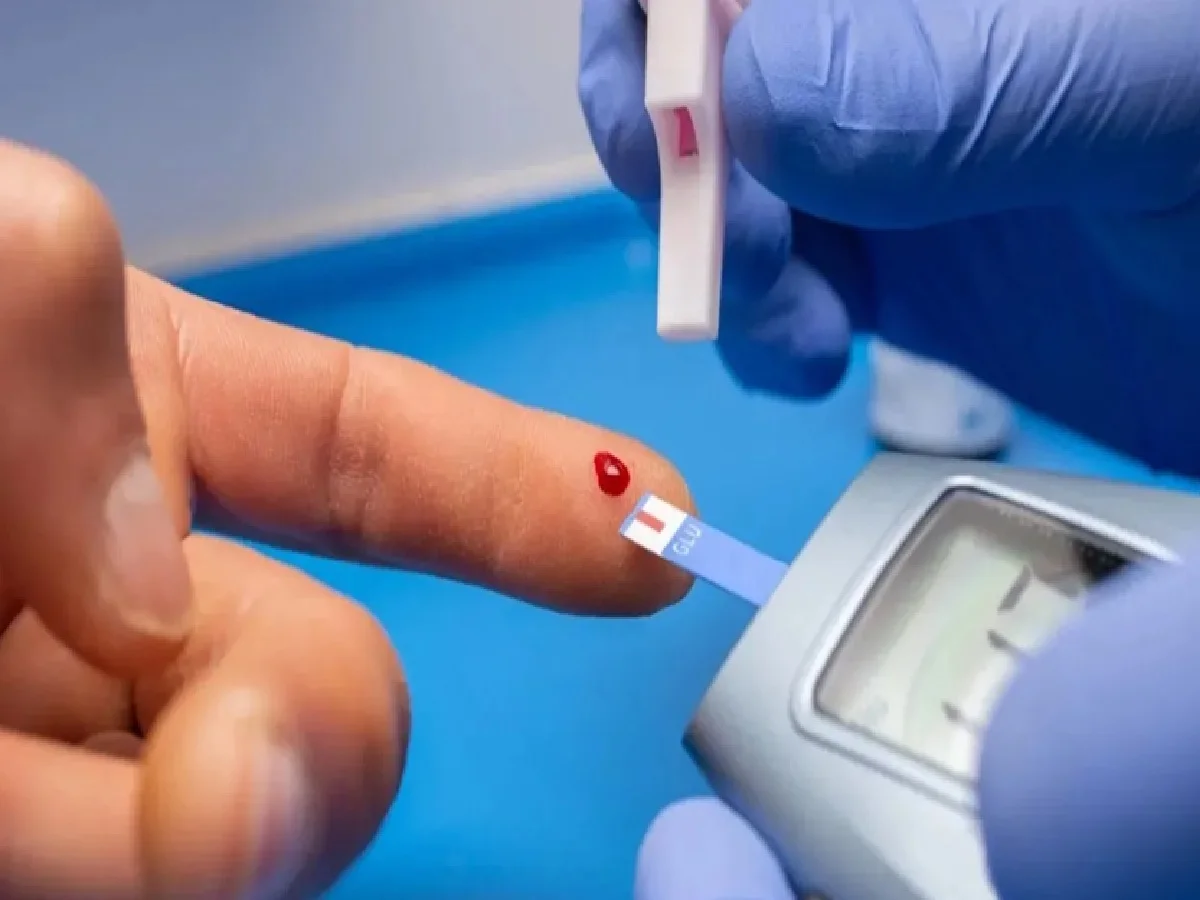
Diabetes is one of the most serious diseases today. It can be controlled with a healthy lifestyle and a good diet. Patients often rely on medications. But in reality, your daily diet plays the biggest role in managing blood sugar. What to eat, how much to eat, and when to eat are all crucial to keeping diabetes under control. If you're confused about your diet, here's a simple and effective diet guide that will help you balance your sugar levels.
What should your diet look like?
Carbohydrates: Carbohydrates have the greatest impact on blood glucose levels. Therefore, choosing the right carbohydrates is the first and most important goal of diabetes management. A diabetic's diet should include complex carbohydrates rather than simple carbohydrates and foods with a low glycemic index (GI).
Choose chapati instead of rice, as the glycemic index of rice is higher than that of chapati.
You can also make chapatis using wheat flour, millet flour or gram flour, which will further increase the nutritional value.
If you can't imagine anything other than rice in your diet, choose brown rice over white rice, as it has more fiber and a lower glycemic index.
Protein
Protein should be an essential part of a diabetic's diet, as it can increase insulin response without raising blood glucose levels.
Start your day with a glass of skimmed milk to get plenty of protein.
Eat raw vegetables and unprocessed grains, as they are rich in both fiber and protein.
Keep a variety of pulses in your kitchen, such as moong dal, arhar dal, urad dal, chana dal and masoor dal.
Include low-fat dairy products, lean meats, or protein-rich pulses in your diet.
If you're considering taking a protein supplement to increase the amount of protein in your diet, choose a sugar-free supplement.
Fruits and Vegetables
Having diabetes don’t mean you can't eat fruit. Fruits and vegetables are rich in vitamins, minerals, fiber, and antioxidants and they're low in calories. Therefore, they can be a good part of your diet.
To keep your blood glucose levels under control, you should choose fruits and vegetables with a low glycemic index. Eat whole fruits and vegetables (in salads) instead of fruit or vegetable juices.
Juices are low in fiber and contain a lot of fruit sugar.
Do not eat fruits immediately after meals, as this can cause a sudden increase in blood glucose levels.
PC: Navarastra