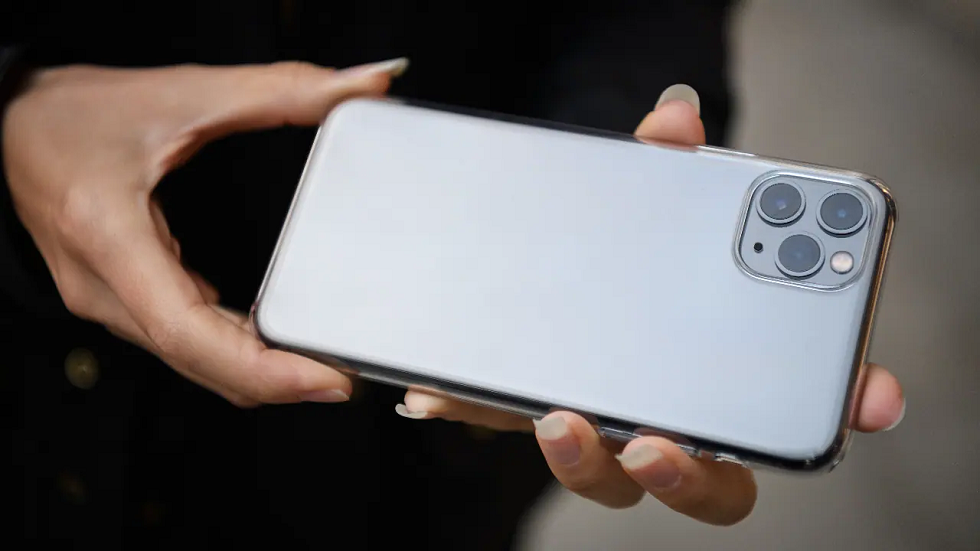
Apple has officially added the iPhone 11 Pro and several other products to its global Vintage Products List, a move that has raised questions among users about device support, repairs, and software updates. While the word “vintage” may sound alarming, it does not mean that these devices stop working overnight or become unusable. Instead, it marks an important stage in Apple’s product lifecycle that every long-term Apple user should understand.
Here is a clear and detailed explanation of what Apple’s vintage label means, which devices have been newly added, and how this affects users in the long run.
Apple Adds iPhone 11 Pro to Its Vintage List
Apple, headquartered in California, periodically updates its list of vintage and obsolete devices. According to the company’s policy, any product whose retail sales ended more than five years ago but less than seven years ago is classified as vintage. Following this rule, Apple has now moved the iPhone 11 Pro into the vintage category.
What stands out is that despite being labeled vintage, the iPhone 11 Pro is still eligible for the latest iOS updates. In fact, it is currently one of the oldest iPhone models capable of running the newest version of Apple’s operating system. This makes it clear that the vintage tag is more about hardware service status than software usability.
Devices Newly Added to Apple’s Vintage Products List
Along with the iPhone 11 Pro, Apple has expanded its vintage list to include several other popular devices:
-
iPhone 11 Pro
-
Apple Watch Series 5
-
13-inch MacBook Air (2020, Intel-based)
-
iPad Air (3rd generation, cellular model)
-
iPhone 8 Plus (128GB variant)
These products were once flagship or highly popular models and are still widely used by consumers across the world.
What Does Apple’s ‘Vintage’ Label Mean?
Apple defines a product as vintage when it has been out of retail circulation for over five years. However, this classification does not mean that:
-
The device will stop functioning
-
Software updates will immediately end
-
The product becomes obsolete right away
Instead, the vintage label serves as an early warning that official service and spare parts availability may soon become limited.
For example, Apple may still offer repairs for a vintage device, but only if replacement parts are available. The company does not guarantee full repair support for vintage products in every region. Availability can vary based on location and inventory.
How Does Vintage Status Affect Repairs and Service?
For devices like the iPhone 11 Pro and Apple Watch Series 5 that have just entered the vintage category, Apple may continue to provide hardware repairs for some time. However:
-
Repairs depend entirely on spare parts availability
-
Not all Apple service centers may support repairs
-
Some components may no longer be stocked
Once a device completes seven years since its last retail sale, Apple moves it to the obsolete category. At that point, Apple generally stops all hardware repair and replacement services, including official spare parts.
Exception for Mac Devices
Apple follows a slightly different approach for Mac computers. Even after a Mac becomes obsolete, Apple may continue offering battery replacement services for up to 10 years from the last sale date. However, this is also subject to battery availability and is not guaranteed.
Should Users Be Concerned?
For most users, there is no immediate reason to worry. The iPhone 11 Pro, despite its vintage status, remains a powerful and capable smartphone with ongoing iOS support. Apps will continue to run smoothly, security updates may still be available, and day-to-day performance remains unaffected.
However, users should be aware that long-term repair support is now limited. If a major hardware issue arises in the future, finding official repairs may become difficult or expensive.
Final Takeaway
Apple’s decision to label the iPhone 11 Pro as vintage is part of its standard product lifecycle management. The device is still fully usable, supported by the latest software, and relevant in today’s ecosystem. The vintage tag simply signals that the clock is ticking on official repair support.
For users who own one of these devices, it may be a good time to:
-
Take extra care of hardware
-
Consider backup and upgrade plans
-
Stay informed about future Apple support updates
Understanding Apple’s vintage and obsolete classifications helps users make smarter decisions and avoid surprises down the line.