BUSINESS
LPG Price February 1: Government increases cylinder price by Rs 50, delivers a shock before presenting the budget
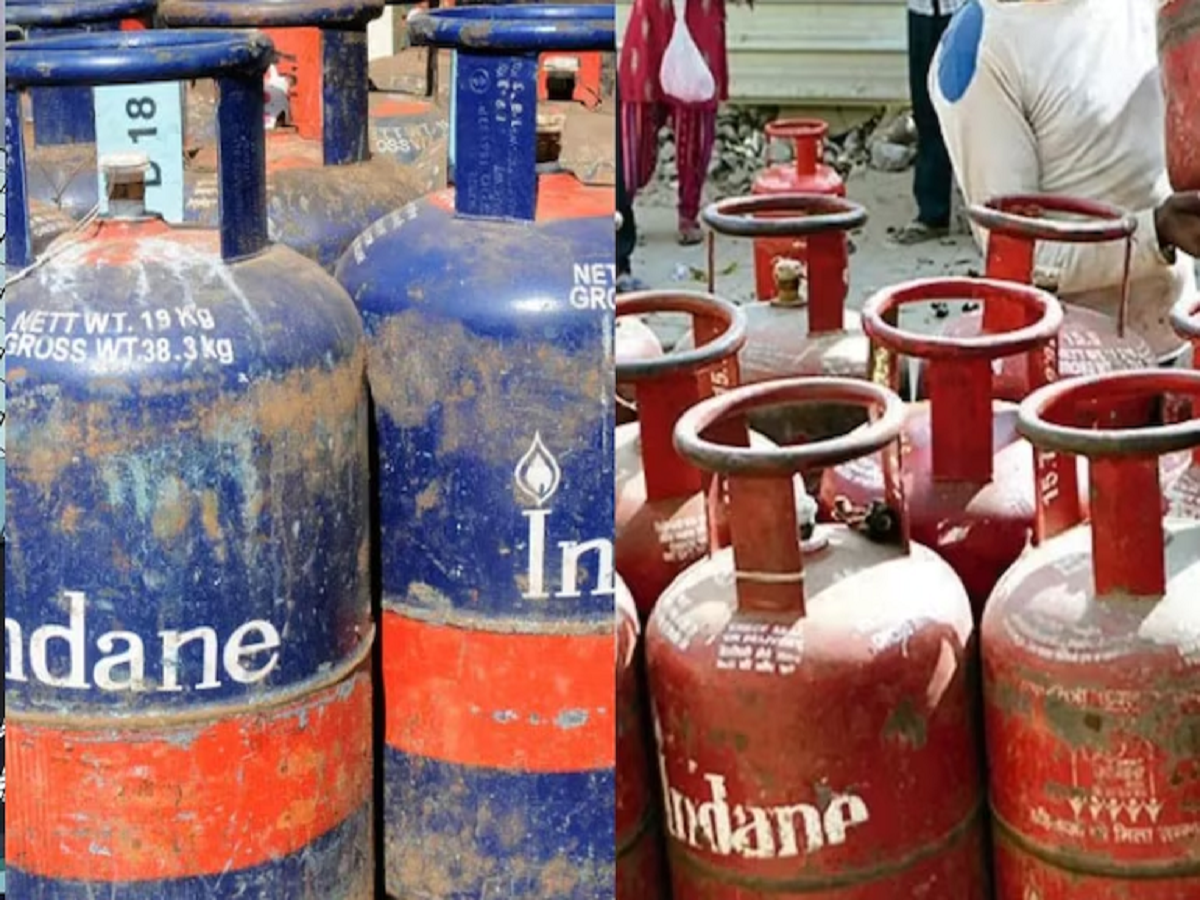
Government revises rates for 19 kg LPG cylinders while domestic cooking gas prices remain unchanged
On February 1, 2026, just hours before the Union Budget presentation, the central government announced an increase in the price of commercial LPG cylinders, delivering an unexpected blow to businesses and consumers. The price of the 19 kg commercial LPG cylinder has been raised by ₹50, while the cost of domestic 14.2 kg cooking gas cylinders has been kept unchanged.
This price revision has come at a sensitive time when inflation and household expenses are already under pressure. Hotels, restaurants, roadside eateries, and other commercial establishments that rely heavily on LPG for daily operations are expected to feel the immediate impact of this hike.
New LPG Commercial Cylinder Prices in Major Cities
After the latest revision, the price of a 19 kg LPG cylinder in Delhi has increased to ₹1,740.50. In Kolkata, the new rate stands at ₹1,844.50, while in Mumbai it is now priced at ₹1,692.00. Chennai has witnessed the highest price among metro cities, with the commercial LPG cylinder now costing ₹1,899.50.
Compared to January 2026 prices, this represents an increase of around ₹49 to ₹50 across major cities. The uniform hike indicates a nationwide adjustment rather than a city-specific change.
Domestic LPG Cylinder Rates Remain Stable
In contrast to the commercial cylinder price hike, the government has not revised the price of the domestic 14.2 kg LPG cylinder used for household cooking. These rates were last changed on April 8, 2025, and have remained stable since then.
Currently, domestic LPG prices across cities are as follows:
-
Delhi: ₹853
-
Kolkata: ₹879
-
Mumbai: ₹852.50
-
Chennai: ₹868.50
-
Lucknow: ₹890.50
-
Ahmedabad: ₹860
-
Hyderabad: ₹905
-
Varanasi: ₹916.50
-
Patna: ₹951
This stability offers some relief to common households amid rising costs of essential commodities.
Impact on Businesses and Food Services
The increase in commercial LPG prices is expected to affect food service businesses such as hotels, restaurants, cafés, and catering services. Since LPG is a major operational cost for these sectors, the hike may lead to higher food prices for consumers.
Industry experts believe that small eateries and street vendors will feel the most pressure, as their profit margins are already thin. Some businesses may pass on the additional cost to customers, which could slightly increase food and service prices in urban areas.
Timing Raises Concerns
The timing of the hike—just before the Union Budget—has raised eyebrows. Traditionally, fuel price changes around budget announcements draw public attention and spark debate. While the government has not issued a detailed explanation, analysts link the increase to global energy price fluctuations and currency movement.
A stronger dollar and volatility in international crude oil markets have been cited as key factors influencing domestic LPG pricing.
No Change in Subsidy Structure
There has been no announcement of any change in subsidy benefits for domestic LPG consumers under government schemes. This indicates that the government is trying to balance fiscal discipline while shielding households from further inflationary pressure.
What Consumers Should Expect Next
Experts suggest that LPG prices may continue to remain volatile in the coming months depending on international fuel rates and policy decisions. Commercial users are advised to plan their expenses carefully, while domestic consumers can take some comfort in the unchanged household cylinder rates.
Conclusion
The ₹50 hike in commercial LPG cylinder prices ahead of Budget 2026 has added pressure on business operators and raised concerns about rising operational costs. However, the decision to keep domestic LPG prices unchanged provides partial relief to millions of households.
As energy markets remain unpredictable, consumers and businesses alike will closely watch future price revisions and policy announcements in the coming weeks.