INTERNATIONAL
Trump will impose tariffs using Trade Acts 122 and 301. Learn about these special laws in the US
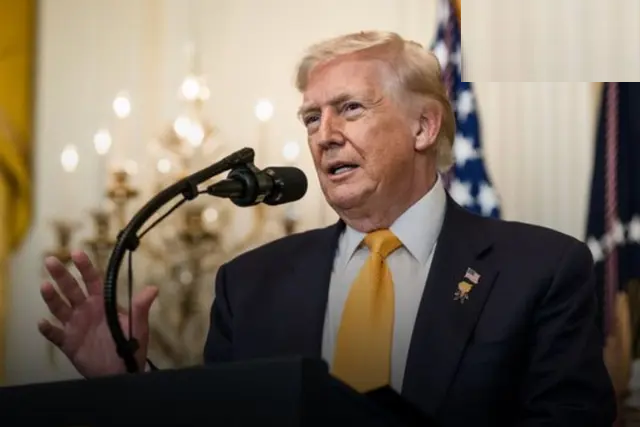
Trump Tariffs: The US Supreme Court has overturned government decisions before, but the repeal of Trump's tariffs has become a major issue because they had a global impact. Following the Supreme Court's decision, Trump has stated that he will impose tariffs using Trade Acts 122 and 301. Let's understand the trade acts through which President Trump is trying to boost his ego.
Trump Tariffs: The US Supreme Court has struck down Trump's tariffs. This court decision is a major blow to Trump, as he had imposed trade tariffs under the International Emergency Economic Powers Act (IEEPA). The Supreme Court has struck down that order, stating that the US president lacks the authority to impose such extensive tariffs under this emergency power; only Congress can do that. Following this Supreme Court order, the question is: will the countries on which Trump imposed heavy tariffs receive their money back? Furthermore, the important question is what Trump's stance will be now.
Trump's stance is still stubborn, what will he do next?
The Supreme Court has struck down the extensive tariffs imposed by the US President, but US President Trump remains adamant. He stated that he will now exercise powers that have rarely been exercised by US presidents. According to a report published in the New York Times, Trump is somewhat distraught after the defeat in the Supreme Court and is looking for ways to reimpose trade tariffs. Trump has taken the court's decision as a matter of ego. He stated in a press conference that he will not relent and will reinstate the tariffs through federal laws. Trump said that he will reinstate the tariffs using Sections 122 and 301.
What are sections 122 and 301 through which Trump will withdraw the tariffs?
Following the Supreme Court's decision, Trump has stated that he will reinstate tariffs using sections 122, 301, and 232 of the Trade Act. Of these three sections, 122 is the only one never invoked by any president, allowing Trump to immediately impose a 10 percent tariff. These three trade acts allow the US president to impose tariffs in emergencies, or special circumstances. Under Section 232, the US president can impose tariffs on goods that pose a threat to national security. Section 301 allows tariffs on trade, such as intellectual property theft or technology transfer. Under Section 122, Trump will immediately impose a 10 percent tariff, which will go into effect on February 24th. However, this tariff will last for 150 days and will require congressional approval.
|
Nature |
Temporary |
long term |
|
Goal |
macroeconomic balance |
Country-specific or practice-specific |
|
Duration |
Maximum 150 days (extendable with Congressional approval) |
Long term possible |
|
Process |
The President can directly implement |
Implemented after due diligence and processing |
Will Trump return the money from the heavy tariffs?
The US President imposed heavy tariffs on countries that were repealed following a Supreme Court order. However, the question now is: will the tariffs levied over this period be repealed? The answer to this question is: it will be very difficult. The court has clearly repealed the tariffs, but has not specified anything about the tariffs levied. Therefore, it is difficult to say whether Trump will repeal them. Even if the matter reaches the court, it will take considerable time, and it seems unlikely that Trump will repay the tariffs.
PC:Prabhat Khabar