BIZARRE
The world's first elevator was powered by steam, not electricity; it debuted in New York 169 years ago
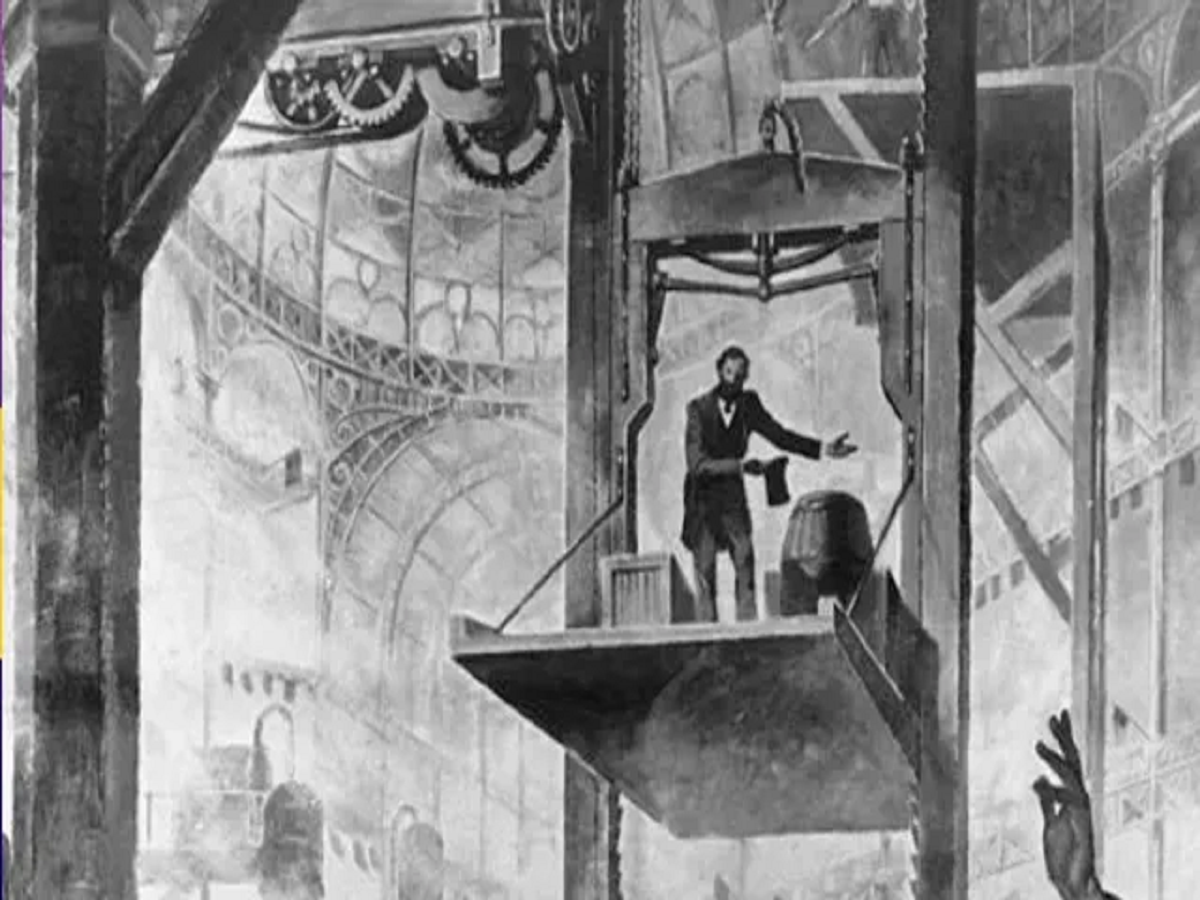
The world's first commercial elevator was inaugurated in New York on March 23, 1857. This steam-powered elevator traveled at a speed of 40 feet per minute and had a ...read more
In today's skyscraper, elevators have become a common part of our lives. But have you ever wondered what an elevator looked like when it first ran? The story of the world's first commercial elevator is a tale of technical skill and courage. Let's find out when and how the world's first commercial elevator was built.
That historic day in New York
On March 23, 1857, history was made in New York City, USA. The world's first passenger elevator debuted at the E.V. Hogwarts Department Store on Broadway. At the time, it cost approximately $2,500 to build. It wasn't just a machine, but a revolutionary beginning that would transform the future of urban life.
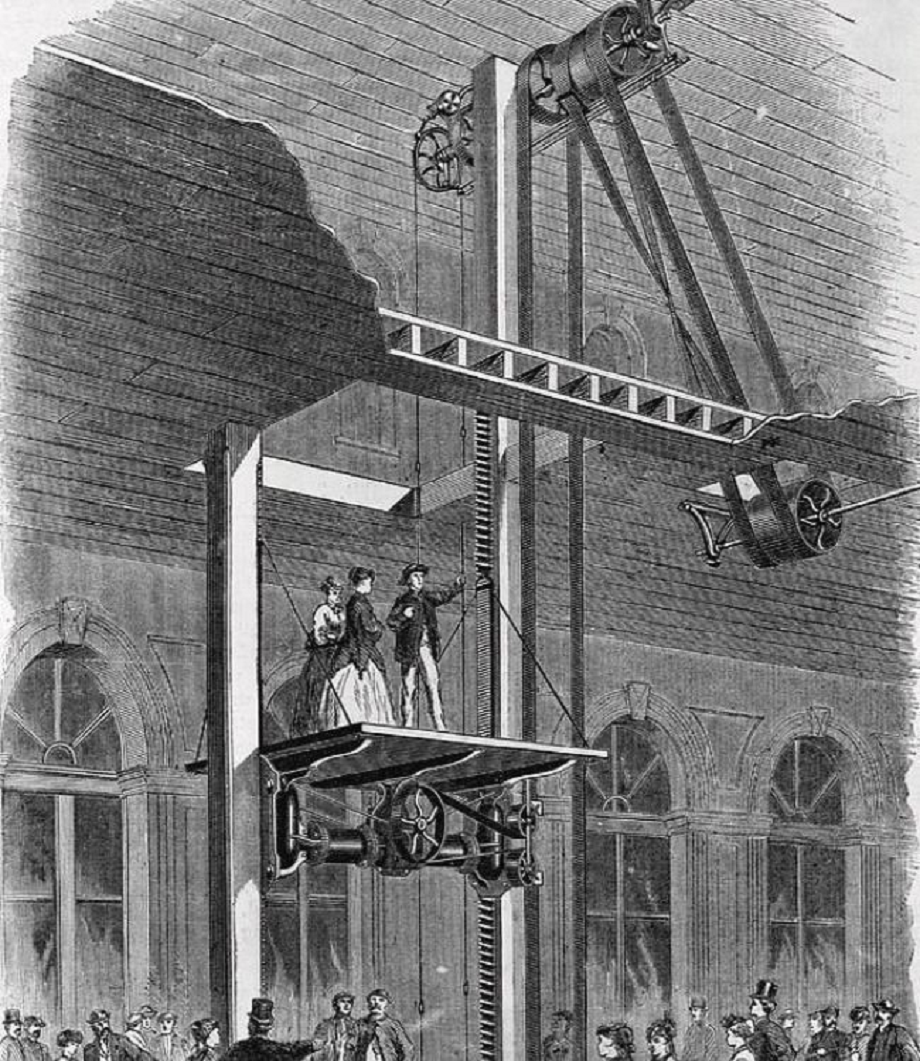
(Picture Courtesy: Instagram)
Power was provided by a steam engine
Today's elevators are powered by electricity, but that first commercial elevator, built in 1857, was powered by a steam engine. This massive engine was installed in the building's basement. Technically, the elevator moved up and down at a speed of approximately 40 feet per minute. While this speed may seem slow compared to today, it was nothing short of miraculous in its time.
Unique security measures
At that time, the biggest fear among people was what would happen if the elevator cable broke. To alleviate this fear, a special ratchet safety lock was installed. The unique feature of this technology was that if the elevator cable broke for any reason, the safety lock would immediately activate and hold the elevator in place. This safety mechanism mentally prepared people for heights and completely eliminated the risk of the elevator falling.
This lift became the foundation of skyscrapers.
Before the advent of this safe elevator, the height of buildings was limited because climbing stairs was tiring and difficult. But this invention paved the way for the construction of tall buildings and skyscrapers in the future. From then on, reaching higher floors became easier and safer, transforming the very design of cities.
PC:Jagran