The Indian automotive landscape is witnessing a dramatic pivot. In FY2026, hybrid car sales surged to nearly 1.23 lakh units, capturing a 2.7% slice of the passenger vehicle market. While Toyota currently dominates the road with an 82% market share, a new wave of competition is coming.
Five major players—Maruti Suzuki, Hyundai, Kia, Mahindra, and Tata—have officially unveiled ambitious roadmaps to bring hybrid technology to the masses. Here is how they plan to reshape your daily drive.
1. Maruti Suzuki: The "Series Hybrid" Innovation
Maruti Suzuki is moving beyond its partnership with Toyota to develop its own in-house series hybrid technology. Unlike Toyota's complex systems, Maruti’s version aims to be simpler and more cost-effective for the budget-conscious Indian buyer.
-
The Debut: The Fronx facelift (2027) is expected to be the first to feature this in-house powertrain.
-
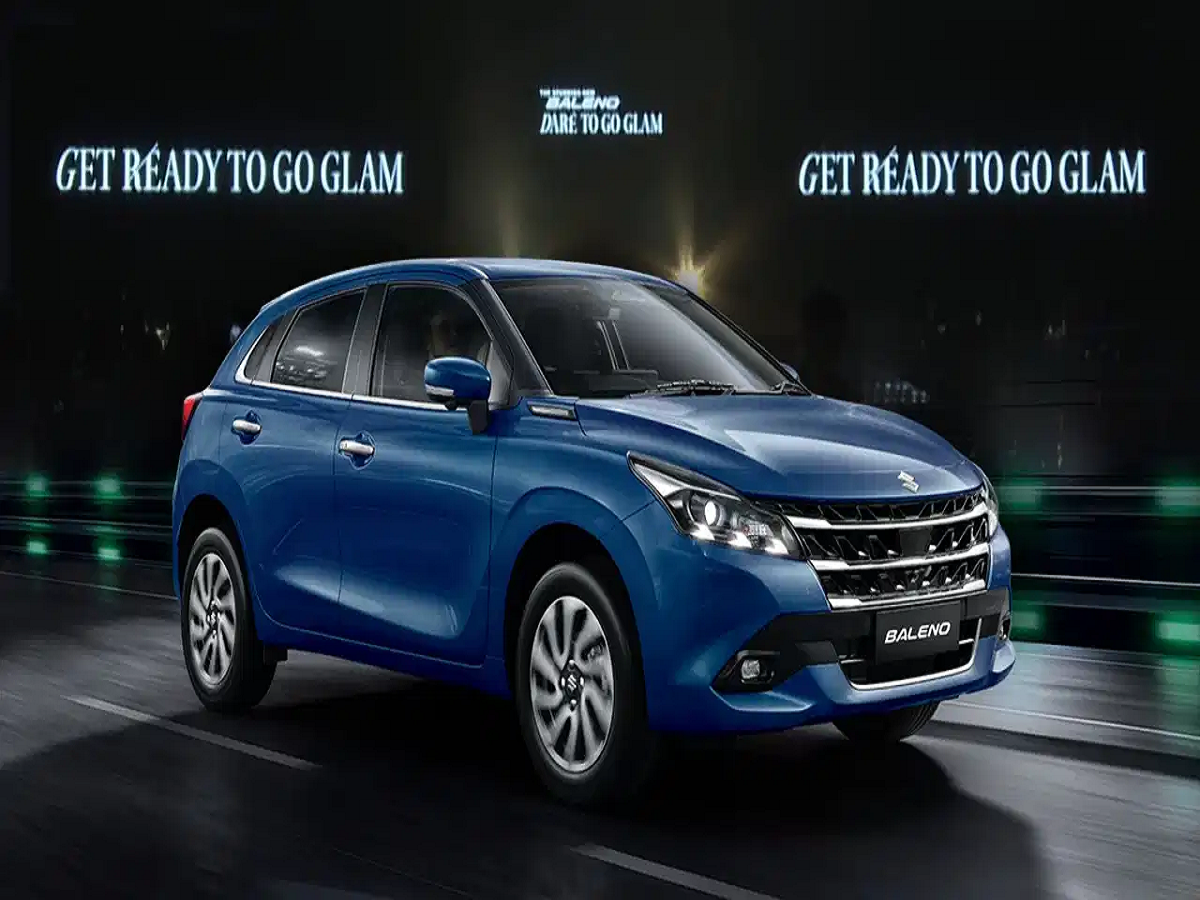
Expansion: Expect this technology to trickle down into fan favorites like the Baleno, Swift, and Brezza.
2. Hyundai: A Massive 8-Model Offensive
Hyundai isn't just dipping its toes in; it’s diving in headfirst with a plan to launch eight hybrid models by 2030.
-
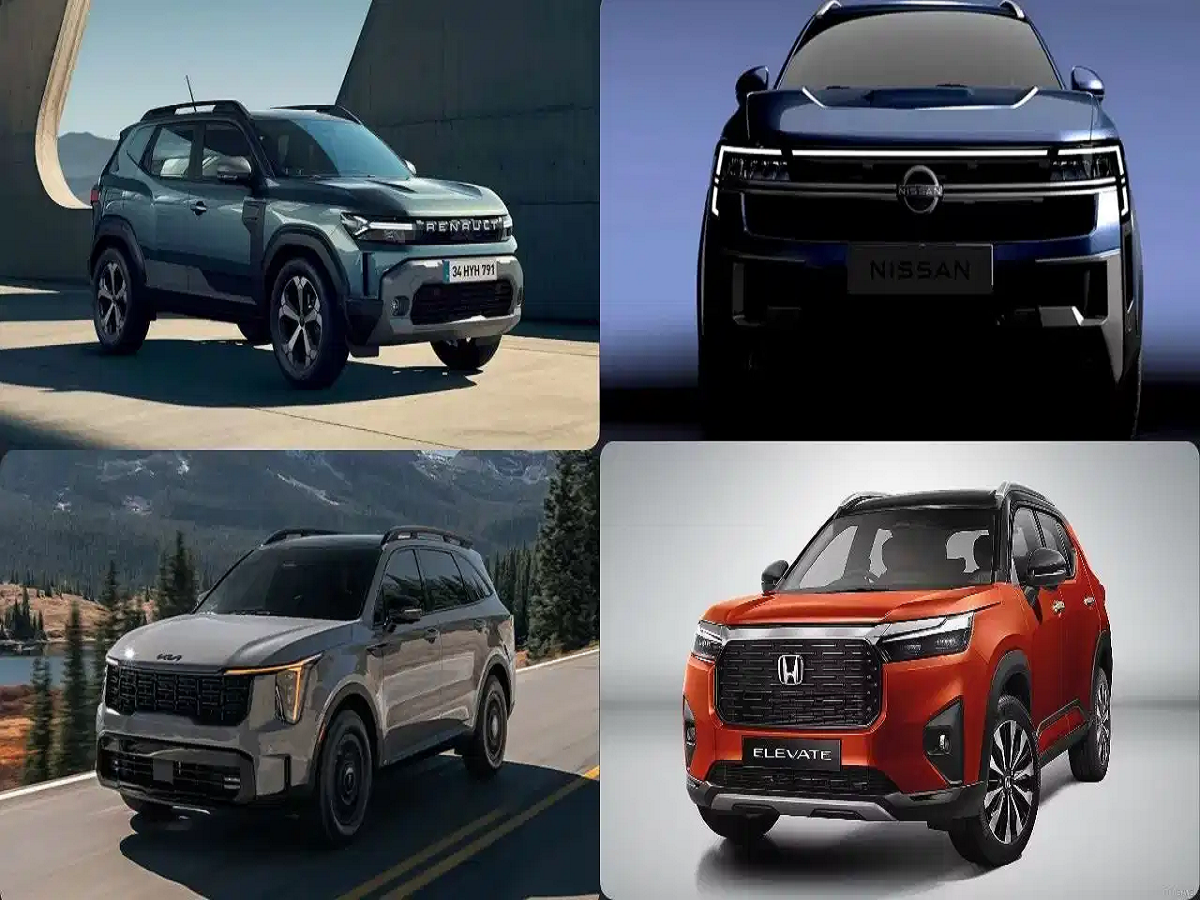
The Debut: The next-generation Creta (2027) is slated to lead the charge.
-
The Tech: Reports suggest a hybrid setup paired with their reliable 1.5-liter engine, alongside a new hybrid-ready 1.2-liter turbo petrol engine for smaller models like the i20 and Venue.
3. Kia: Bringing Global Tech to Indian Roads
Kia is aligning its Indian portfolio with its global hybrid expertise, focusing on everything from compact SUVs to luxury MPVs.
-
The Lineup: Hybrid variants of the Seltos, Sonet, and Sorento are expected by 2027.
-
The Powerhouse: The premium Carnival MPV is likely to feature the 1.6-liter turbocharged hybrid engine already popular in international markets.
4. Mahindra: Hybrids and Range-Extenders
Mahindra is taking a dual-track approach, developing both strong hybrids and range-extender electric vehicles to tackle range anxiety.
-
The Timeline: The XUV 7XO Hybrid is expected in 2027, followed by the XEV 9e Range-Extender in 2028.
-
Future-Proofing: The brand is currently testing 1.2-liter and 1.5-liter engines to find the perfect balance of power and efficiency for its rugged SUV lineup.
5. Tata Motors: The "Market-First" Strategy
While currently leading the EV space, Tata Motors remains agile. The company has stated it is "closely studying" the hybrid segment and is ready to pull the trigger based on consumer demand.
-
The Strategy: If the market shifts, Tata’s premium and larger SUV models will be the first to receive hybrid hearts.
Why the Shift?
Hybrids offer a "best of both worlds" solution for the Indian market, providing significantly better fuel efficiency than traditional petrol cars without the charging infrastructure hurdles of pure EVs.