AUTO
The 2026 Resurgence of Solid-State Batteries: Why EV Makers Are Abandoning Traditional Lithium-ion
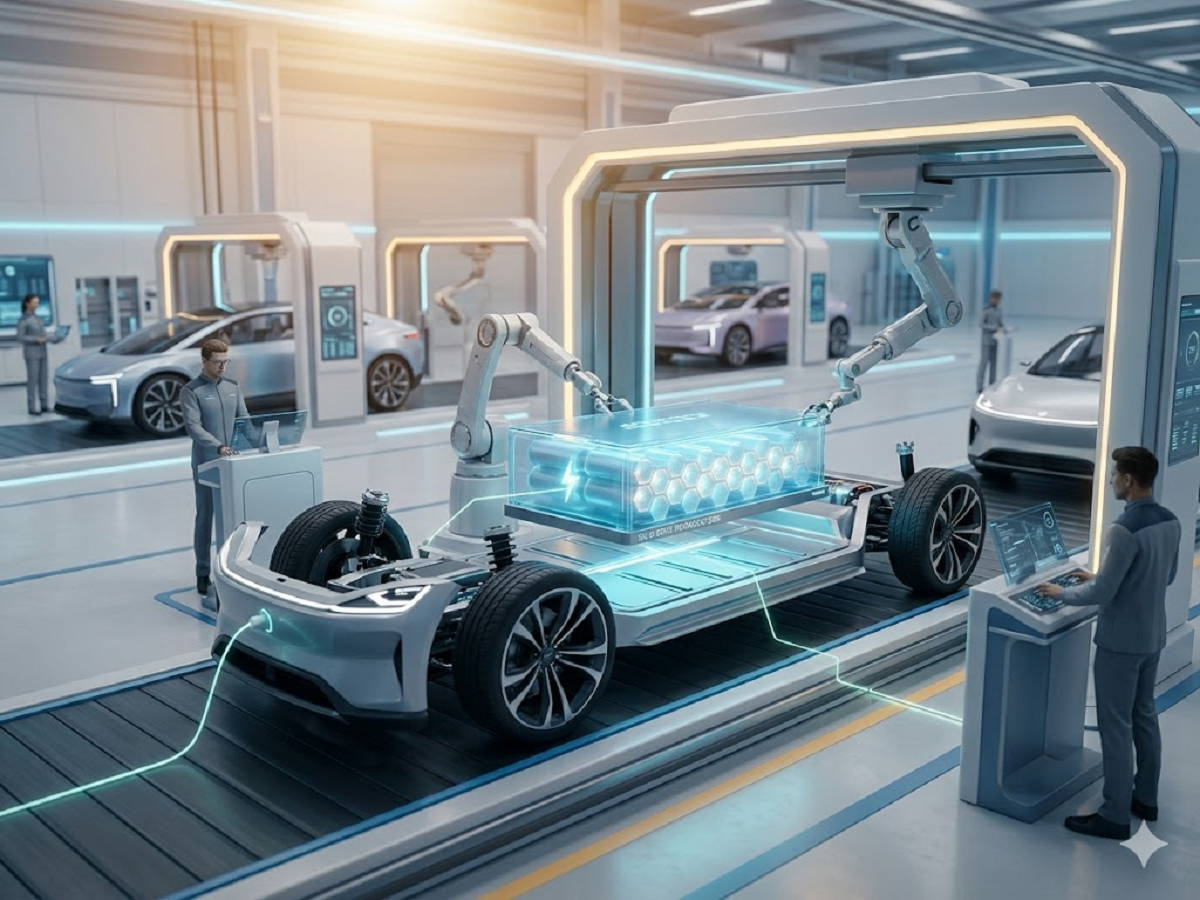
For nearly two decades, liquid-electrolyte lithium-ion batteries have been the undisputed powerhouse behind everything from smartphones to electric vehicles (EVs). However, as automakers push the limits of driving range, charging speed, and safety, traditional battery architecture has hit a physical ceiling.
Enter the solid-state battery (SSB). After years of laboratory delays and manufacturing bottlenecks, 2026 has become the definitive turning point, with major automotive giants officially transitioning from test tracks to commercial assembly lines.
1. The Anatomy of a Breakthrough: Liquid vs. Solid
To understand why the automotive industry is shifting billions of dollars in capital, it helps to look at the internal physics. Traditional EV batteries rely on a volatile, flammable liquid electrolyte to move lithium ions between the anode and cathode.
Solid-state batteries replace this liquid completely with a solid material—typically ceramic, polymer, or sulfide-based compounds.
Key Performance Matrix
| Feature | Traditional Lithium-ion | Next-Gen Solid-State |
| Energy Density | ~250–300 Wh/kg | 500+ Wh/kg |
| 0–80% Charge Time | 20 to 45 minutes | 8 to 10 minutes |
| Thermal Runway Risk | Moderate (Requires heavy cooling) | Near Zero (Non-flammable) |
| Lifespan (Cycles) | ~1,500 cycles before degradation | 5,000+ cycles |
2. Erasing "Range Anxiety" and Charging Bottlenecks
The primary consumer barrier to EV adoption has always been a mix of range anxiety and charging downtime. Solid-state technology effectively solves both challenges simultaneously.
Because solid electrolytes allow for a much tighter, more stable packing of ions, the energy density is nearly doubled. In practical terms, an electric sedan that previously achieved a 300-mile range on a single charge can now achieve 600+ miles utilizing a battery pack of the exact same physical size and weight.
Furthermore, the absence of a liquid medium eliminates the risk of "dendrites"—tiny, needle-like crystalline structures that form during rapid charging and cause short circuits in traditional batteries. Without the threat of dendrites, EVs can safely accept massive amounts of electrical current, dropping highway fast-charging stops down to the time it takes to buy a cup of coffee.
3. The Ultimate Safety Upgrade: Eliminating Fire Risks
When a traditional EV battery is punctured or suffers a severe manufacturing defect, the liquid electrolyte can overheat, leading to a phenomenon known as thermal runaway. These chemical fires burn at exceptionally high temperatures and are notoriously difficult for emergency services to extinguish.
Why Solid Changes Everything: Solid ceramic and sulfide electrolytes are inherently non-flammable. Even under extreme laboratory stress tests—including structural crushing, high-velocity nail penetration, and exposure to external flame—solid-state cells display immense thermal stability, completely eliminating the need for heavy, complex liquid-cooling systems within the car's chassis.
4. The 2026 Market Reality: Who is Winning the Race?
While the technology sounds revolutionary on paper, scaling production from a cleanroom laboratory to a million-unit gigafactory has been a monumental engineering challenge. However, several automakers have broken through the manufacturing barrier:
-
Toyota & Nissan: Leading the Japanese manufacturing coalition, both brands have successfully integrated sulfide-based solid-state packs into their premium 2026 EV lineups, targeting localized commercial rollouts.
-
QuantumScape & Volkswagen Group: Following extensive multi-year endurance trials, QuantumScape's proprietary ceramic separator technology has cleared mass-production validation, with integration slated for high-end European platforms.
-
Solid Power & BMW: Operating advanced pilot lines, this partnership is focusing on "all-solid-state" cells that seamlessly drop into existing battery assembly architectures, dramatically lowering the cost of factory retooling.
5. The Road Ahead: The Cost Challenge
Despite the massive leap forward, lithium-ion is not going to vanish overnight. The current hurdle for solid-state deployment is cost per kilowatt-hour (kWh).
Because the manufacturing processes require specialized vacuum environments and highly precise material synthesis, first-generation solid-state EVs are commanding a premium price tag. Analysts project that it will take until the end of the decade for manufacturing volumes to scale sufficiently to bring solid-state costs down to parity with traditional budget EVs.
For now, however, the ceiling has been shattered. The solid-state evolution is no longer a futuristic laboratory experiment—it is officially out on the open road.