Sudden cardiac arrest is a life-threatening emergency that can occur with little or no warning. It happens when the heart suddenly stops pumping blood effectively, preventing oxygen from reaching the brain and other vital organs. Without immediate treatment, the condition can become fatal within minutes.
One of the biggest concerns is that some people may have underlying heart problems without experiencing noticeable symptoms. Conditions such as coronary artery disease and certain heart rhythm disorders can increase the risk of cardiac arrest, making early detection and prevention especially important.
According to the supplied report, Professor Dr. Tarun Kumar from the Department of Cardiology at Medanta Moolchand Hospital discussed the hidden dangers associated with cardiac arrest and the importance of recognising warning signs.
Why Can Cardiac Arrest Happen Suddenly?
Cardiac arrest is often caused by an electrical malfunction that disrupts the heart's normal rhythm. In many cases, dangerous rhythms such as ventricular fibrillation prevent the heart from circulating blood effectively.
Coronary artery disease is a major underlying risk factor. When the blood supply to the heart muscle is reduced or blocked, a heart attack may occur and trigger a potentially fatal rhythm disturbance.
However, cardiac arrest and heart attack are not the same condition. A heart attack involves a problem with blood flow to the heart muscle, whereas cardiac arrest involves the sudden loss of effective heart pumping. A heart attack can lead to cardiac arrest, but cardiac arrest can also occur for other reasons.
7 Hidden Risks That May Increase the Chances of Cardiac Arrest
1. High Blood Pressure
High blood pressure can damage blood vessels over time and force the heart to work harder. If left uncontrolled, it increases the risk of coronary artery disease, heart failure and other cardiovascular complications.
Regular blood pressure monitoring is important because hypertension often develops without obvious symptoms.
2. High Cholesterol and Blocked Arteries
Excess LDL cholesterol can contribute to plaque formation inside arteries. Over time, these deposits may narrow the arteries and restrict blood flow to the heart.
In some cases, a plaque can rupture and trigger the formation of a blood clot, suddenly blocking blood flow and causing a heart attack.
A lipid profile and a doctor's assessment can help identify cardiovascular risk. Not everyone with high cholesterol has blocked arteries, and cholesterol levels alone cannot determine whether someone will experience cardiac arrest.
3. Diabetes and Elevated Blood Sugar
Diabetes can damage blood vessels and increase the risk of cardiovascular disease. People with diabetes may also experience less typical heart attack symptoms, making it important not to dismiss unexplained fatigue, breathlessness or unusual discomfort.
Managing blood glucose, blood pressure and cholesterol can help reduce long-term cardiovascular risk.
4. Smoking and Tobacco Consumption
Smoking damages blood vessels, promotes inflammation and increases the likelihood of blood clot formation. It can also raise heart rate and blood pressure.
Both cigarette smoking and other forms of tobacco use can harm cardiovascular health. Quitting smoking is one of the most important steps a person can take to reduce their risk of heart disease.
5. Undetected Heart Rhythm Disorders
Some electrical disorders of the heart can cause dangerous arrhythmias, even in people who do not have obvious symptoms of coronary artery disease.
Certain inherited conditions, previous heart damage and abnormalities in the heart's electrical system may increase the risk. Warning signs can include unexplained fainting, palpitations or a family history of sudden cardiac death at a young age.
People experiencing these symptoms should seek medical evaluation. An ECG and other investigations may be recommended depending on their history and examination.
6. Physical Inactivity and Excess Weight
A sedentary lifestyle can contribute to obesity, high blood pressure, diabetes and unhealthy cholesterol levels. These factors collectively increase the risk of cardiovascular disease.
Regular physical activity, appropriate weight management and a balanced diet can help improve heart health. Adults should generally aim for at least 150 minutes of moderate-intensity aerobic activity per week, adjusted to their health and fitness levels.
Anyone with known heart disease or concerning symptoms should consult a healthcare professional before beginning strenuous exercise.
7. Ignoring Warning Signs of a Heart Attack
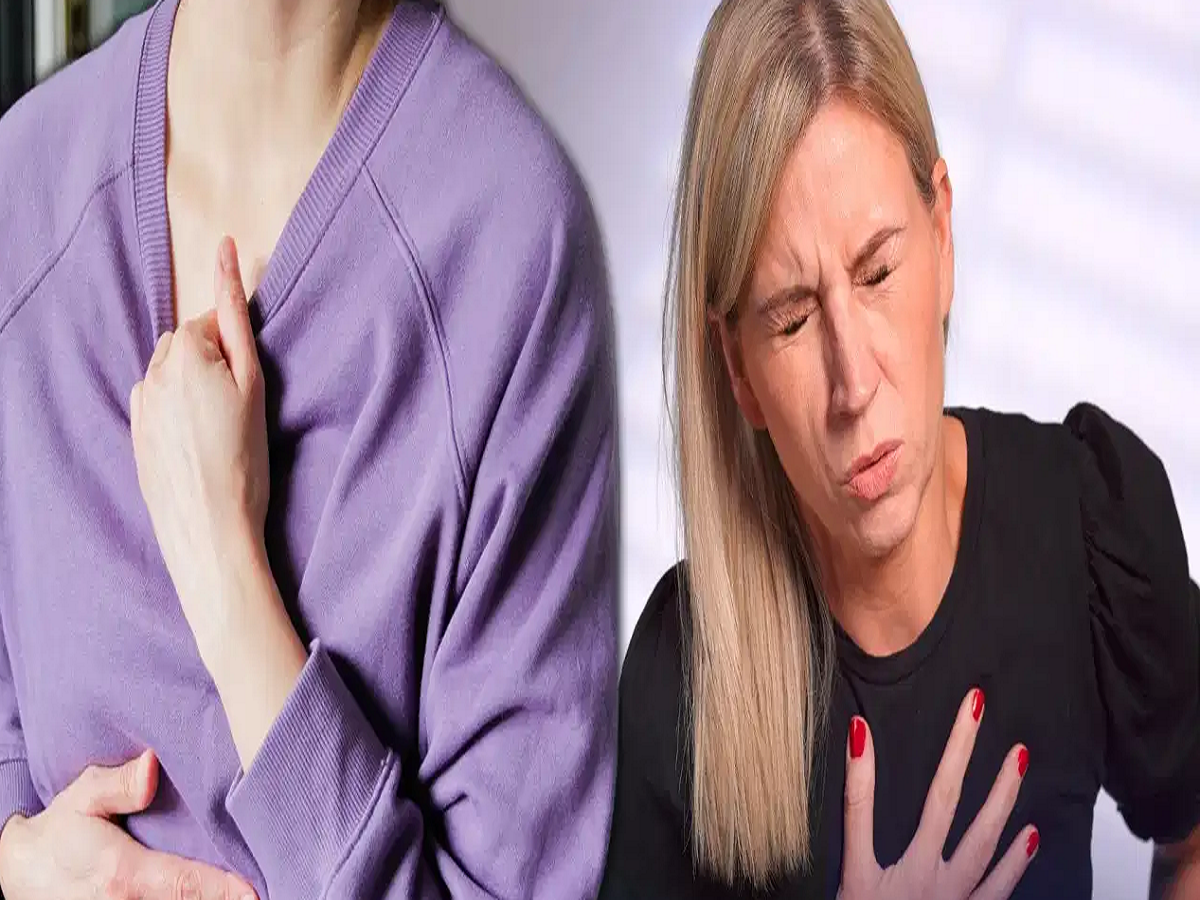
Some people mistake heart-related symptoms for acidity, indigestion, fatigue or stress. Delaying medical attention can allow a heart attack to progress and potentially trigger cardiac arrest.
Possible warning signs include:
-
Pressure, tightness or discomfort in the chest.
-
Pain or discomfort spreading to the arms, back, neck, jaw or upper abdomen.
-
Shortness of breath.
-
Cold sweating, nausea or lightheadedness.
-
Unusual fatigue, sometimes without prominent chest pain.
Symptoms can vary, and some heart attacks occur with mild or atypical warning signs. If a heart attack is suspected, seek emergency medical assistance immediately rather than waiting for symptoms to disappear.
Can Cardiac Arrest Occur Without a Previous Heart Diagnosis?
Yes. A person may have an undiagnosed heart condition or a previously unrecognised electrical abnormality. However, this does not mean every sudden cardiac arrest occurs because of hidden blocked arteries.
Some cardiac arrests are associated with cardiomyopathies, inherited rhythm disorders, severe electrolyte disturbances or other medical conditions. In certain cases, the underlying cause may remain uncertain even after investigation.
Regular health assessments can help identify some risk factors, particularly in people with diabetes, hypertension, high cholesterol, a smoking history or a family history of premature heart disease. However, no routine check-up can guarantee that cardiac arrest will never occur.
What Should You Do If Someone Suddenly Collapses?
Immediate action can save a life. If a person suddenly collapses, is unresponsive and is not breathing normally or is only gasping:
-
Call emergency services immediately. In India, dial 112.
-
Ask someone to bring an automated external defibrillator (AED), if available.
-
Begin CPR. If trained, perform chest compressions at a rate of 100–120 per minute, following recognised CPR guidance.
-
Use the AED as soon as it arrives and follow its voice instructions.
-
Continue CPR until emergency professionals take over or the person shows signs of recovery.
Do not delay CPR while trying to determine the exact cause of the collapse.
How Can You Protect Your Heart?
A few consistent habits can make a meaningful difference to cardiovascular health:
-
Monitor blood pressure, blood glucose and cholesterol as advised by your doctor.
-
Avoid smoking and all forms of tobacco.
-
Eat a balanced diet rich in vegetables, fruits, whole grains and other nutritious foods.
-
Limit excess salt, trans fats and highly processed foods.
-
Exercise regularly and avoid prolonged periods of sitting.
-
Maintain a healthy weight and get adequate sleep.
-
Seek medical advice for unexplained fainting, persistent palpitations, chest discomfort or breathlessness.
People with a family history of premature heart disease or sudden cardiac death may need an individualised assessment rather than relying only on routine screening.
The Bottom Line
Sudden cardiac arrest can occur even when a person has never been diagnosed with heart disease. Unrecognised coronary artery disease, dangerous heart rhythm disorders and other medical conditions may contribute to the risk.
The most effective approach is to identify manageable risk factors, take unusual symptoms seriously and understand how to respond to a cardiac emergency. Although prevention cannot eliminate every risk, timely medical care, healthier habits and immediate CPR can make a crucial difference.