Accidents can happen in seconds, especially when young children are playing around hot beverages, cooking utensils or freshly prepared food. A cup of hot tea, milk or water can cause painful scald injuries and damage a child's delicate skin.
In such situations, the first few minutes are crucial. Knowing the correct first-aid steps can help limit tissue damage, reduce the risk of infection and prevent common mistakes that may worsen the injury.
Paediatric experts recommend cooling the burn promptly, avoiding unproven home remedies and seeking medical attention when necessary. Here are five important steps parents and caregivers should follow if a child is accidentally burned by a hot liquid.
1. Remove Wet Clothing and Accessories Carefully
If hot tea, milk or water spills on a child, immediately move them away from the source of heat and remove wet clothing, nappies, jewellery or other accessories near the affected area, provided they are not stuck to the skin.
This is important because wet clothing can retain heat against the skin. Removing tight accessories early may also prevent problems if swelling develops.
However, never pull away clothing that has become stuck to the burned skin. Doing so can cause further tissue damage. If removing an item is difficult, leave it in place and seek medical assistance.
2. Cool the Burn Under Running Water
The most important first-aid measure is to cool the burned area under cool or lukewarm running water for 20 minutes, as soon as possible.
Cooling helps stop the burning process and may reduce the severity of the injury. Do not use ice or ice-cold water, as these can damage the skin further and may cause dangerous cooling in young children.
If the burn is extensive, keep the rest of the child's body warm while cooling the affected area. Avoid delaying emergency care to complete the cooling period when the injury is severe.
3. Never Apply Toothpaste, Turmeric or Other Home Remedies
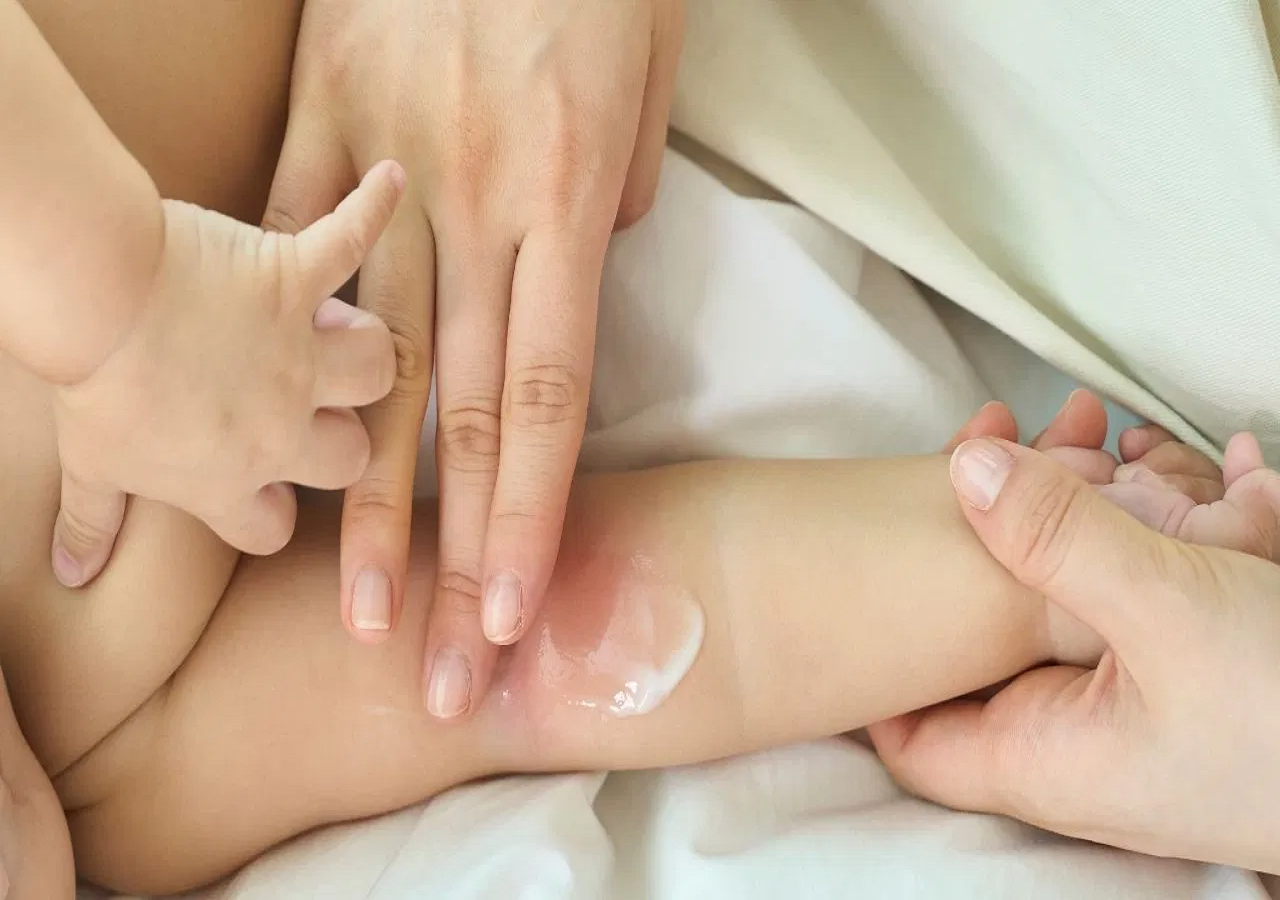
A common mistake is applying toothpaste, turmeric paste, butter, cooking oil or creams immediately after a burn. These substances are not recommended first aid and can interfere with proper wound care.
Some products may irritate the injured skin, contaminate the wound or make medical assessment more difficult.
Instead, focus on cooling the burn with running water. Avoid rubbing the affected area or applying powders and other household remedies.
4. Do Not Burst Blisters or Peel Damaged Skin
Blisters may appear after a burn. Although they can look uncomfortable, they help protect the underlying tissue.
Never puncture a blister, squeeze it or peel away loose skin yourself. Doing so can increase the risk of infection and delay healing.
Once the burn has been cooled, loosely cover it with a clean, non-fluffy dressing or cling film laid over the area, taking care not to wrap it tightly. Never put cling film over the face, and do not use it on a way that could obstruct breathing.
Avoid adhesive dressings directly on the burned skin. If the burn is large, deep or involves a sensitive area, seek urgent medical attention rather than attempting extensive home treatment.
5. Get Medical Attention When Needed
A child's burn should be assessed carefully because its severity may not be immediately obvious. According to paediatric guidance, burns in children warrant a low threshold for medical evaluation.
Seek urgent medical care if the burn:
-
Causes white, charred, leathery or deeply damaged skin.
-
Covers a large area or causes significant blistering.
-
Affects the face, hands, feet, genitals or a major joint.
-
Involves the mouth or neck, or causes difficulty breathing.
-
Is accompanied by severe pain, unusual drowsiness or signs of shock.
For a serious burn, call emergency services immediately. Do not delay treatment while applying home remedies or attempting to manage the injury yourself.
When Is a Burn an Emergency?
Burns can vary from superficial redness to deep tissue damage. A small burn may be manageable with appropriate care, but the depth and location of the injury are important, particularly in infants and young children.
If the child appears unusually sleepy, pale, confused or weak, or has breathing difficulties, seek emergency assistance. Do not give food or drink to a child who may require urgent surgery or who is not fully alert.
The Bottom Line
When a child is burned by hot tea, milk or water, act quickly but remain calm. Remove loose wet clothing and accessories, cool the affected area under running water for 20 minutes, avoid ice and home remedies, protect the skin without bursting blisters, and obtain medical help when indicated.
The right first aid can make a meaningful difference, but it cannot replace a medical assessment when a child's burn is serious or its severity is uncertain. Keeping hot beverages away from table edges and carrying children away from hot liquids can also help prevent these accidents.