Imagine a future in which buildings can detect structural damage before cracks become visible, farms can monitor soil conditions across vast fields, and factories can identify equipment problems before a machine breaks down. Now imagine the sensors making these discoveries are so small that they could fit into spaces barely visible to the human eye.
This is the idea behind smart dust, an emerging technology that combines miniature sensors, computing components and wireless communication. Although it sounds like science fiction, researchers have been exploring tiny sensing systems for years, and advances in microelectronics are making new applications increasingly plausible.
Smart dust could eventually change how industries collect information about the physical world. However, major challenges involving power consumption, communication, cost and privacy still need to be addressed.
What Is Smart Dust Technology?
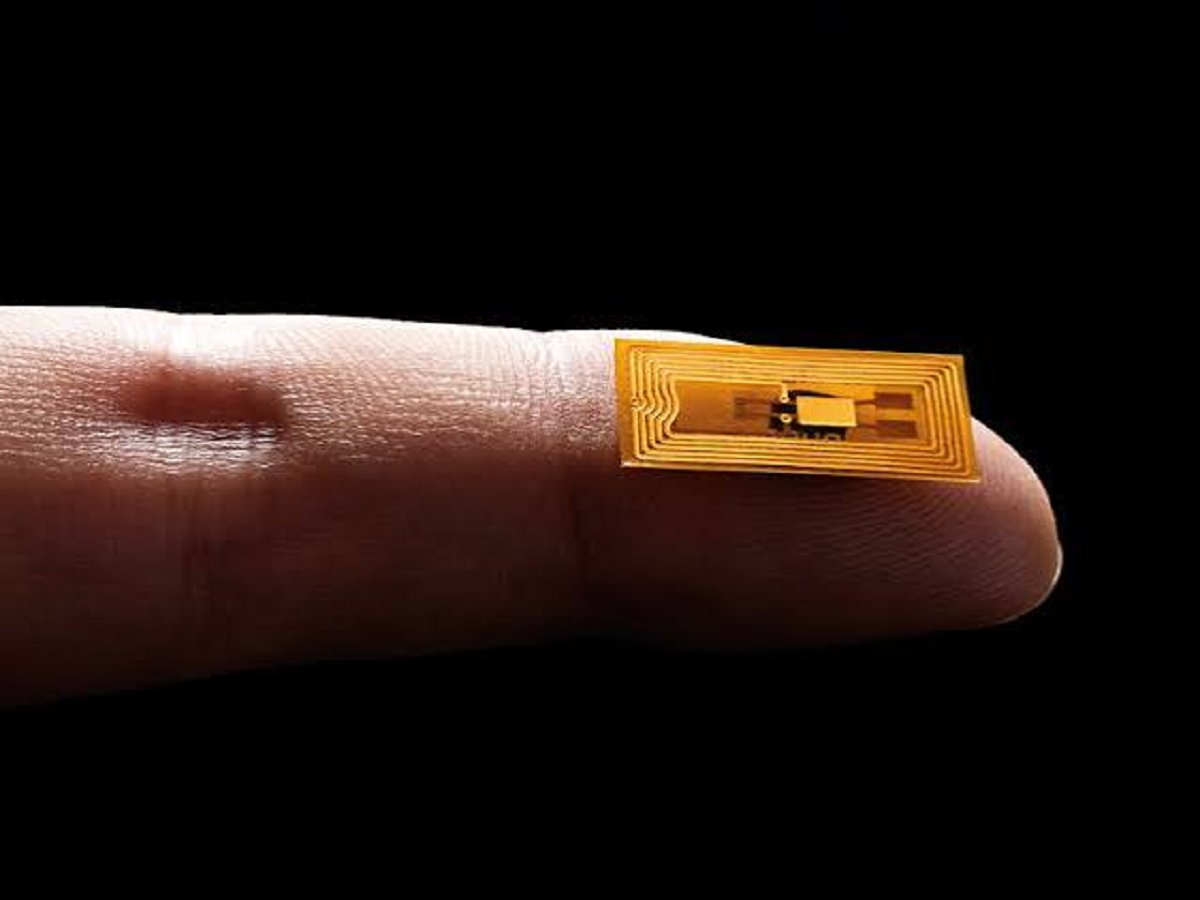
Smart dust refers to networks of extremely small electronic devices designed to sense and communicate information about their surroundings. These devices, sometimes called motes, may contain sensors, a small processor, communication components and a power source.
Depending on their design, they could measure temperature, humidity, vibration, pressure, light or the presence of particular chemicals.
The individual devices would collect data and transmit it to a receiver or a larger network for analysis. Software could then combine information from thousands of sensors to identify patterns that a single sensor might miss.
The term “dust” describes the ambition to make these devices exceptionally small. It does not mean that ordinary household dust can automatically become an electronic sensor, nor does it imply that all smart-dust systems are microscopic today.
How Does Smart Dust Work?
A smart-dust system generally involves three main stages.
First, a miniature sensor measures a physical condition, such as temperature or vibration. Next, a small electronic system processes the measurement and prepares the data for transmission. Finally, a nearby receiver or network collects the information and sends it to software for analysis.
For example, a factory could place small vibration sensors on industrial equipment. If the measurements gradually change, an analysis system might identify a potential mechanical problem and alert maintenance staff.
In a large deployment, multiple sensors could provide information about different locations simultaneously. This could help organisations monitor environments that are difficult, expensive or dangerous for people to inspect manually.
However, not every smart-dust design uses the same architecture. Some may rely on wireless communication, while others could use different sensing or power arrangements depending on their intended purpose.
Five Industries That Could Benefit From Smart Dust
1. Agriculture and Smart Farming
Farmers often need information about soil moisture, temperature and local environmental conditions to make decisions about irrigation and crop management.
Tiny sensor networks could potentially collect measurements from different parts of a field and identify areas that require more water or closer inspection.
This could support more targeted irrigation, reduce unnecessary water use and help farmers understand changing field conditions.
The technology would still need to be affordable, durable and easy to maintain, particularly in rural areas where replacing thousands of tiny devices could be impractical.
2. Healthcare and Medical Monitoring
Miniature sensing technology could support the development of devices that monitor selected biological or environmental signals.
In healthcare research, tiny sensors may eventually help with continuous monitoring or targeted measurement in specialised medical applications. Such systems could provide additional information to clinicians without requiring repeated manual measurements.
However, medical smart dust is not yet a general-purpose technology that can safely monitor every aspect of human health. Devices intended for use inside the body face strict requirements involving biocompatibility, power, accuracy, safety and regulatory approval.
3. Smart Buildings and Infrastructure
Bridges, tunnels, dams and high-rise buildings require regular inspection to identify damage and deterioration.
Networks of miniature sensors could help engineers monitor vibration, temperature changes, strain and other indicators of structural performance. Continuous measurements might reveal unusual patterns that deserve further investigation.
This would not eliminate the need for professional inspections. Instead, sensor networks could provide an additional layer of information and help engineers decide where closer examination is needed.
4. Manufacturing and Industrial Automation
Factories rely on machinery that must operate reliably. Unexpected breakdowns can delay production, increase costs and create safety risks.
Smart-dust-inspired sensor networks could help monitor equipment conditions across large industrial facilities. By combining measurements from multiple points, companies could potentially detect abnormal vibration, heat or pressure before a major failure occurs.
Such monitoring could support predictive maintenance, in which equipment is serviced based on its condition rather than relying entirely on fixed maintenance schedules.
5. Environmental Monitoring
Monitoring air quality, water conditions and local environmental changes can require measurements across large geographical areas.
Tiny sensing devices could potentially be deployed in locations that are difficult to access, collecting information about temperature, humidity, pollutants or other environmental indicators.
Researchers could use these measurements to study local changes and identify areas that require further investigation. The usefulness of such networks would depend on sensor accuracy, calibration, battery life and their ability to withstand environmental conditions.
The Biggest Challenge: How Do You Power Something So Small?
One of the most difficult engineering problems is supplying energy to extremely small electronic devices.
Conventional batteries become harder to accommodate as a device shrinks. Tiny batteries also have limited energy capacity, which restricts how frequently a sensor can collect data and communicate.
Researchers are exploring several approaches, including low-power electronics, energy harvesting from light or vibration, and wireless power transfer in suitable applications.
Each approach has limitations. Solar energy requires adequate light, vibration-based harvesting depends on the surrounding environment, and wireless power transfer may work only over certain distances and under specific conditions.
A practical smart-dust network will need to balance device size, sensing capability, communication range and operating life.
Can Smart Dust Create Privacy Problems?
Yes. A network of extremely small sensors could raise significant privacy concerns if deployed without clear safeguards.
Sensors installed in public spaces, workplaces or private properties might collect information that people do not expect to be recorded. If devices can identify individuals or capture sensitive information, the risks become even greater.
Responsible deployments would need clear rules about what is measured, who can access the information, how long data is retained and whether individuals have been informed.
Security is equally important. A poorly protected sensor network could expose collected data or allow unauthorised parties to interfere with its operation.
Making sensors smaller should not mean making their use invisible or unaccountable.
Is Smart Dust Already Available Everywhere?
No. Smart dust remains an umbrella term covering research concepts and different miniature sensing technologies, rather than one universally available product.
Many related technologies already exist, including microelectromechanical sensors, wireless sensor networks and compact environmental monitoring devices. However, building large networks of exceptionally small, inexpensive and long-lasting devices remains challenging.
The gap between a successful laboratory demonstration and a commercially practical system can be substantial. Manufacturers must ensure that devices can be produced reliably, deployed efficiently and maintained at a reasonable cost.
What Could the Future Look Like?
If these challenges are overcome, smart-dust-inspired networks could make physical environments more observable than they are today.
Farmers could receive more detailed information about field conditions. Engineers could monitor infrastructure continuously. Factories could detect equipment abnormalities earlier, while environmental researchers could gather measurements from previously difficult-to-monitor locations.
Artificial intelligence could make these networks more useful by analysing large volumes of sensor data and highlighting patterns that deserve attention.
The most realistic future may not involve invisible electronic particles everywhere. Instead, it may involve increasingly small, low-power sensors working together as part of larger digital systems.
Conclusion
Smart dust represents an intriguing direction in the development of connected technology. By combining miniature sensing, computing and communication, it could help people gather information from environments that are currently difficult to monitor continuously.
The concept still faces major challenges, especially around energy, manufacturing costs, reliability and privacy. Nevertheless, its underlying ideas are closely connected to advances already taking place in sensors and wireless networks.
The real achievement of smart dust would not simply be making electronics smaller. It would be making useful information available from more places, at the right time, so people can make better decisions about the world around them.