BUSINESS
Stand-Up India Scheme Extended Until 2031: Women and SC/ST Entrepreneurs Can Get Business Loans of Up to ₹1 Crore
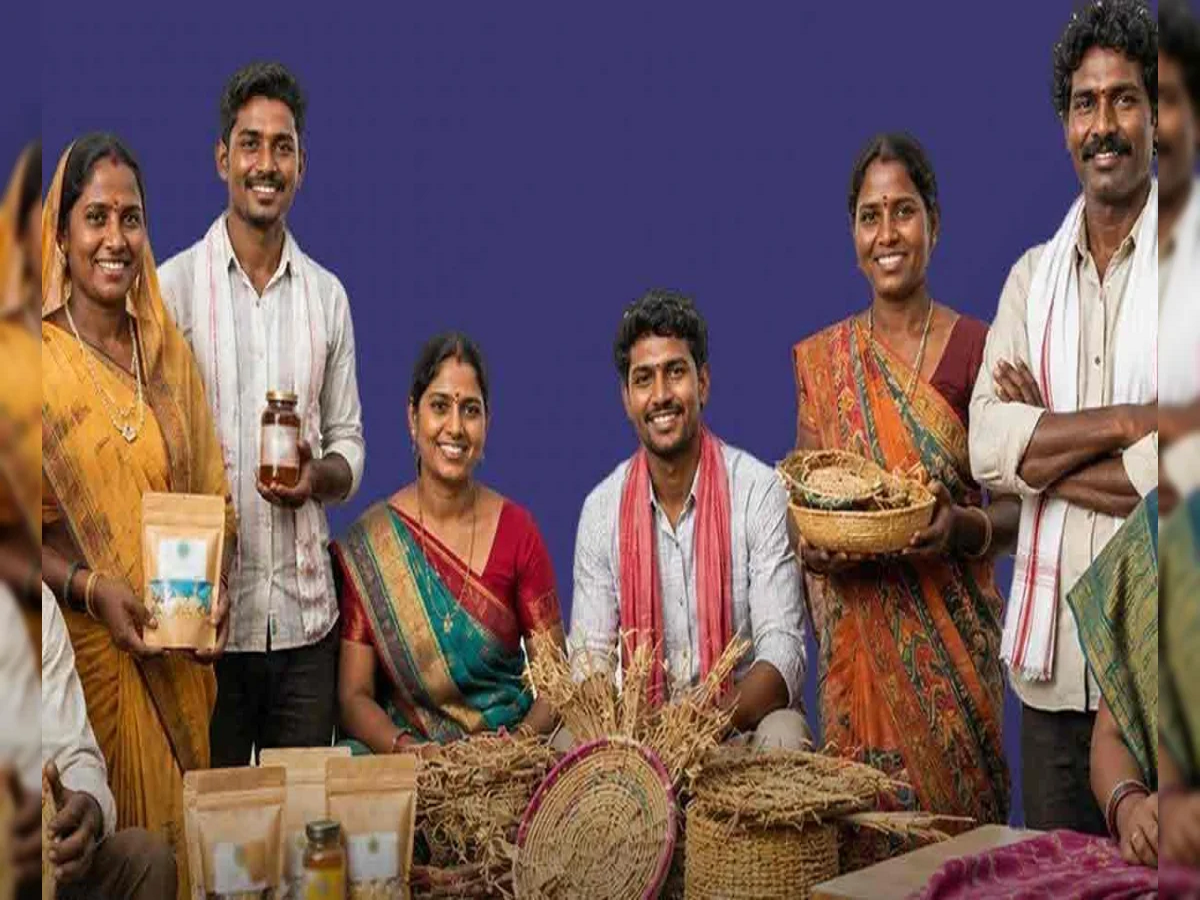
Starting a business often requires substantial investment, and arranging funds can be one of the biggest challenges for first-time entrepreneurs. To improve access to finance, the Central Government has extended the Stand-Up India Scheme for another five years, offering continued support to women and entrepreneurs from Scheduled Castes (SC) and Scheduled Tribes (ST).
The Union Cabinet approved the extension on November 11, 2026, taking the scheme's duration until March 31, 2031. The government has also approved a Credit Guarantee Corpus of ₹4,111 crore and aims to support at least 2.5 lakh additional entrepreneurs over the next five years.
Here is everything you need to know about the scheme, including loan amounts, eligibility criteria and how to apply.
What Is the Stand-Up India Scheme?
Launched in April 2016, the Stand-Up India Scheme aims to encourage entrepreneurship among women and SC/ST communities by facilitating bank loans for setting up new businesses.
The scheme focuses on greenfield enterprises, meaning businesses being established for the first time by the beneficiary.
Eligible applicants can seek financial assistance for businesses operating in several sectors, including:
-
Manufacturing
-
Services
-
Trading
-
Activities allied to agriculture
The objective is to make institutional finance more accessible to communities that may face difficulties obtaining funds to establish their own businesses.
How Much Loan Can You Get Under the Scheme?
One of the biggest benefits of the Stand-Up India Scheme is access to business loans ranging from above ₹10 lakh to ₹1 crore.
The loan can be provided in two forms:
-
Term Loan: Financial assistance for purchasing machinery, equipment, setting up infrastructure and meeting other long-term business expenses.
-
Composite Loan: A combination of term loan and working capital to cover both business establishment costs and day-to-day operational requirements.
The loan can cover up to 85% of the project cost, subject to the scheme's conditions and the bank's assessment.
The scheme also provides credit guarantee coverage of 85% of the loan amount, helping reduce the lending risk for financial institutions. The standard guarantee fee has been set at 0.50%.
Who Is Eligible for the Stand-Up India Scheme?
The scheme is designed for women and entrepreneurs belonging to Scheduled Castes and Scheduled Tribes who want to establish a new business.
Applicants generally need to meet the following conditions:
-
The applicant must be at least 18 years old.
-
The applicant must be a woman or belong to the Scheduled Caste or Scheduled Tribe category.
-
The proposed business must be a greenfield enterprise.
-
The applicant should not be in default with any bank or financial institution.
-
The business must operate in manufacturing, services, trading or an agriculture-allied activity.
For non-individual enterprises, at least 51% of the shareholding and controlling stake must be held by an eligible woman or SC/ST entrepreneur.
Meeting the eligibility criteria does not automatically guarantee loan approval. The bank will assess the business proposal, repayment capacity and other lending requirements before sanctioning the loan.
What Is the Government's New Announcement?
The latest extension is significant because the government wants to expand access to business finance over the next five years.
The key announcements include:
-
Scheme extended until March 31, 2031.
-
Target of at least 2.5 lakh additional entrepreneurs.
-
Credit Guarantee Corpus of ₹4,111 crore.
-
Continued focus on women and SC/ST entrepreneurs.
-
Loans ranging from above ₹10 lakh to ₹1 crore for eligible new businesses.
Since its launch in 2016, the scheme has facilitated loans to more than 2.75 lakh women and SC/ST entrepreneurs.
How Can You Apply for a Stand-Up India Loan?
Interested applicants can begin the process through the official Stand-Up India portal or the government's JanSamarth portal.
The general application process is as follows:
-
Visit the official Stand-Up India portal.
-
Register as a prospective borrower and enter your basic personal details.
-
Provide information about your proposed business, investment requirements and location.
-
Select whether you need handholding assistance or are ready to approach a bank.
-
Identify a suitable lending institution and submit the loan application.
-
Provide the required documents and business project details.
-
Track the application and respond to any additional queries raised by the bank.
Applicants can also approach a participating bank branch directly to understand the loan process.
What Documents Are Required?
Although the exact document checklist may differ between banks, applicants should generally prepare the following:
-
Aadhaar card and PAN card
-
Address proof
-
SC/ST certificate, wherever applicable
-
Business plan or detailed project report
-
Bank account statements
-
Business registration documents, where applicable
-
Proof of business premises or proposed location
-
Details of estimated project cost and investment
-
Evidence of the applicant's contribution towards the project
Banks may request additional documents depending on the nature and size of the proposed business.
What Does the Extension Mean for Aspiring Entrepreneurs?
The extension of the Stand-Up India Scheme until 2031 provides eligible entrepreneurs with another opportunity to access institutional finance for starting a business.
The ₹4,111 crore credit guarantee corpus is intended to support lending institutions and improve access to credit. With a target of reaching another 2.5 lakh entrepreneurs, the government is continuing its focus on encouraging business ownership among women and SC/ST communities.
However, applicants should remember that the scheme facilitates access to loans rather than providing free grants. The borrowed amount must be repaid according to the terms agreed with the lending bank.
For anyone planning to establish a manufacturing unit, service business, trading enterprise or agriculture-allied venture, understanding the scheme's eligibility conditions and preparing a detailed business plan can be an important first step.