BUSINESS
Government Approves ₹62,370 Crore Fertiliser Subsidy for Farmers: What It Means for DAP and NPK Prices This Winter
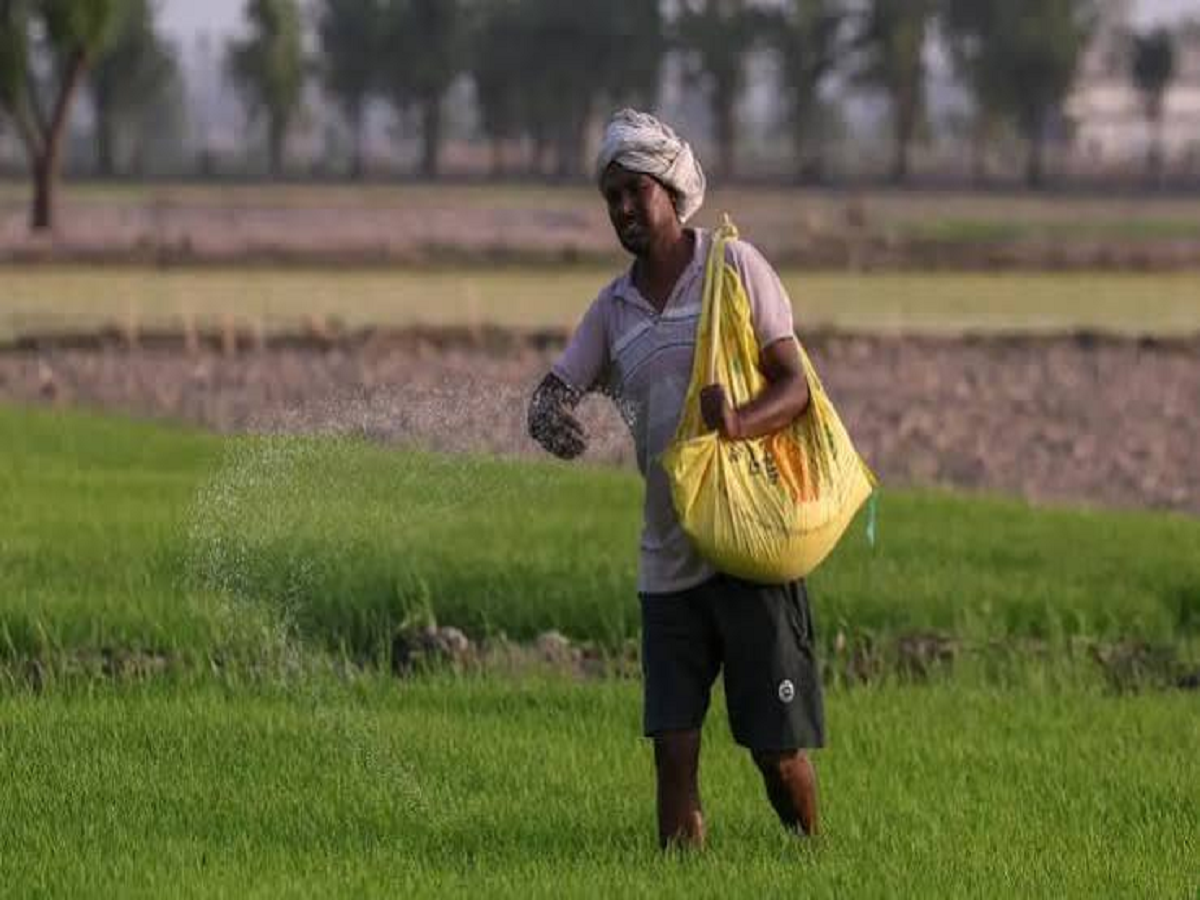
Farmers across India are preparing for the winter cropping season, when fertilisers play an important role in ensuring healthy crop growth and better agricultural productivity. To help maintain the availability of essential nutrients at affordable prices, the Central Government has approved a fertiliser subsidy of ₹62,370 crore for the Rabi 2026–27 season.
The Union Cabinet approved the allocation on November 11, 2026, under the Nutrient Based Subsidy (NBS) scheme. The subsidy will cover phosphatic and potassic fertilisers, including Di-Ammonium Phosphate (DAP) and various NPKS fertiliser grades.
The latest approval represents an increase of approximately 64% compared with the ₹37,950 crore budgeted for the previous winter season. Here is what the decision means for farmers and how the subsidy system works.
What Is the Government's Latest Fertiliser Subsidy Announcement?
The government has approved ₹62,370 crore in subsidies for the period from October 2026 to March 2027.
The primary objective is to ensure that farmers can access essential fertilisers without facing the full impact of rising international prices and higher raw material costs.
The subsidy will be provided under the Nutrient Based Subsidy scheme, which supports phosphatic and potassic fertilisers.
The allocation has been increased amid disruptions in global fertiliser supply chains and fluctuations in the prices of important agricultural inputs.
According to the government, the revised subsidy rates take into account international fertiliser prices and the cost of inputs such as urea, DAP, muriate of potash and sulphur.
Which Fertilisers Are Covered Under the NBS Scheme?
The Nutrient Based Subsidy scheme primarily covers phosphatic and potassic fertilisers.
Some commonly used fertilisers covered under the programme include:
-
Di-Ammonium Phosphate (DAP)
-
Mono-Ammonium Phosphate (MAP)
-
NPK fertilisers
-
NPKS fertiliser grades
-
Muriate of Potash (MOP)
-
Other notified phosphatic and potassic fertiliser grades
These fertilisers supply important nutrients required for crop development.
Phosphorus supports root development and energy transfer in plants, while potassium helps regulate water movement, improve plant strength and support crop quality.
NPK fertilisers combine nitrogen, phosphorus and potassium in different proportions, while NPKS grades also contain sulphur.
How Does the Nutrient Based Subsidy Scheme Work?
The Nutrient Based Subsidy scheme was introduced in April 2010 to make fertiliser subsidies more closely linked to the nutrient content of fertilisers.
Under this system, the government determines subsidy rates for different nutrients, including nitrogen, phosphorus, potassium and sulphur.
The subsidy is provided to eligible fertiliser manufacturers and importers, helping reduce the cost at which fertilisers are supplied to farmers.
In simple terms, the government bears part of the fertiliser cost so that farmers do not have to pay the entire market-linked cost themselves.
The subsidy rates are reviewed periodically, taking into account international prices and the cost of raw materials.
Unlike the urea subsidy mechanism, the NBS scheme is specifically designed for phosphatic and potassic fertilisers.
Why Has the Government Increased the Fertiliser Subsidy?
International fertiliser markets have experienced price fluctuations due to geopolitical tensions, supply-chain disruptions and rising input costs.
India depends significantly on imports for several fertiliser products and their raw materials. Consequently, changes in global prices can increase the cost of supplying fertilisers domestically.
The government has increased the winter-season subsidy allocation to help manage these pressures and maintain fertiliser availability.
The latest allocation of ₹62,370 crore is ₹24,420 crore higher than the ₹37,950 crore budgeted for the previous winter season.
The combined subsidy requirement for the winter and summer-sown seasons has now reached approximately ₹1.04 lakh crore.
Will Farmers Get DAP and NPK Fertilisers at Lower Prices?
The increased subsidy is intended to help keep fertilisers affordable for farmers despite changes in international prices.
However, the announcement does not mean that every fertiliser product will automatically become cheaper at retail outlets.
The actual price paid by farmers depends on the applicable subsidy rates, product category and the pricing arrangements for individual fertilisers.
By absorbing part of the cost through government support, the scheme helps protect farmers from the full impact of increases in international fertiliser prices.
How Is the Fertiliser Subsidy Different From PM-KISAN?
Many farmers receive financial assistance through the PM-KISAN scheme, but that programme and the fertiliser subsidy serve different purposes.
Under PM-KISAN, eligible farmer families receive ₹6,000 annually through Direct Benefit Transfer in three instalments of ₹2,000 each.
The Nutrient Based Subsidy scheme, on the other hand, supports the supply of fertilisers by providing financial assistance to manufacturers and importers.
| Feature | PM-KISAN | Nutrient Based Subsidy |
|---|---|---|
| Main objective | Income support for eligible farmer families | Affordable phosphatic and potassic fertilisers |
| Beneficiary mechanism | Direct payment to eligible farmers | Subsidy to eligible manufacturers and importers |
| Benefit | ₹6,000 annually | Lower subsidised fertiliser supply costs |
| Application | Eligible farmers must complete registration and verification | Farmers do not apply individually |
Therefore, farmers do not need to submit a separate application to receive the benefit of the NBS subsidy.
What Does the ₹62,370 Crore Allocation Mean for Indian Agriculture?
The latest fertiliser subsidy approval is an important measure to support agricultural input availability during the Rabi season.
By increasing financial assistance, the government aims to reduce the impact of global fertiliser price fluctuations and ensure that farmers can access essential nutrients at affordable rates.
For farmers growing wheat, mustard, pulses and other winter crops, the availability of fertilisers at reasonable prices is particularly important.
The subsidy also highlights the government's continued focus on supporting agricultural production while managing the impact of international market volatility on domestic farming costs.