TECH
Smart Geyser vs Normal Geyser: Is Spending Extra Money Worth It? Compare Features, Electricity Bills and Safety Before Buying
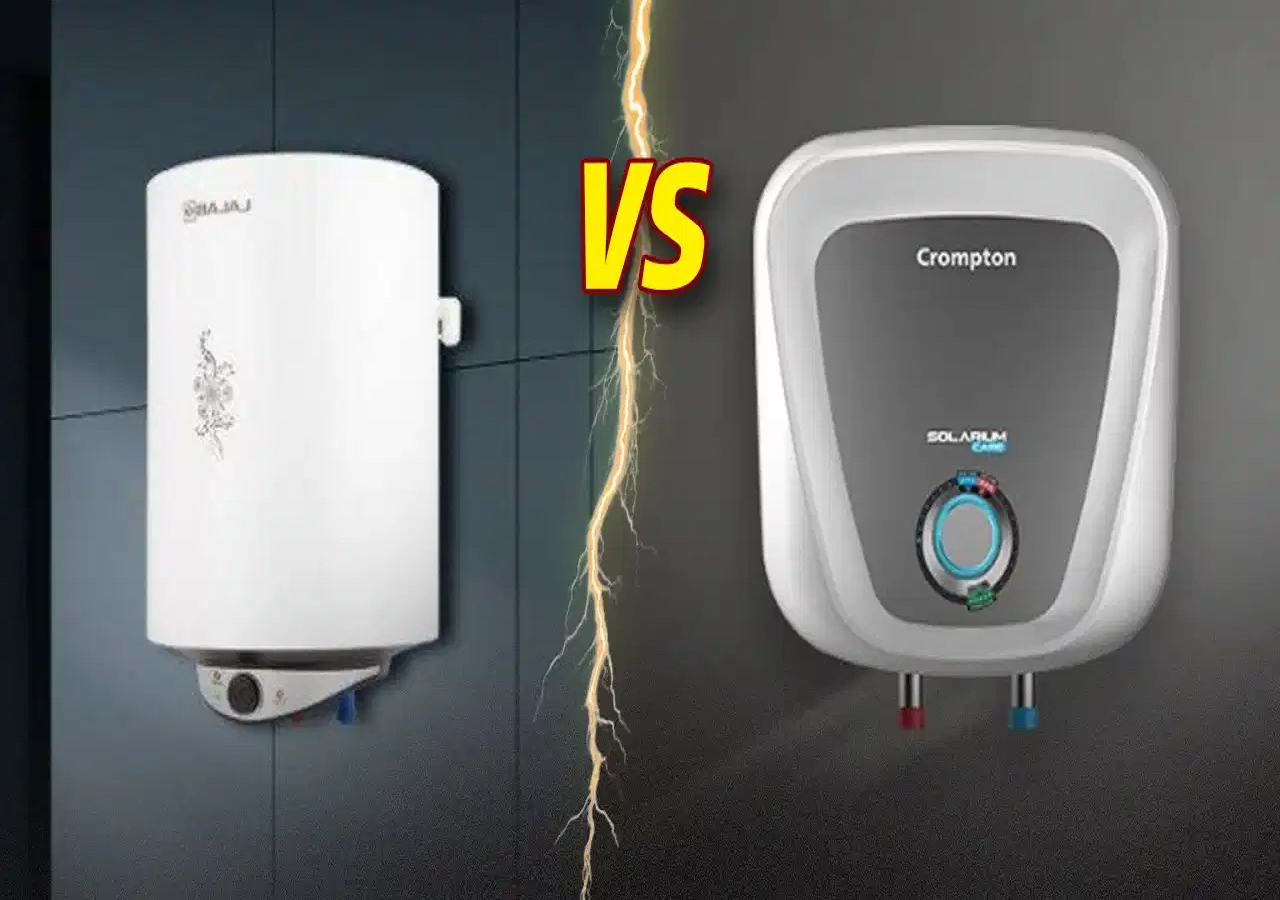
As winter approaches, geysers become an essential appliance in many Indian households. Whether you need hot water early in the morning or after returning home from work, having a reliable water heater can make everyday routines more comfortable.
However, buyers now have another decision to make: should they purchase a conventional geyser or spend extra on a smart model that can be controlled through a smartphone?
Smart geysers offer features such as remote operation, heating schedules, temperature settings, and, in some models, energy monitoring. Conventional geysers, meanwhile, provide hot water without the additional technology and may cost less upfront.
Before making a purchase, it is worth understanding how the two options compare in terms of convenience, electricity consumption, safety, and overall value.
What Is the Difference Between a Smart Geyser and a Normal Geyser?
A conventional geyser heats water using an electric heating element controlled through a wall switch and an inbuilt thermostat. Once the water reaches the selected temperature, the thermostat regulates the heating process.
A smart geyser performs the same basic function but adds connected features. Depending on the model, users may be able to control the appliance through a mobile application, schedule heating sessions, adjust the temperature remotely, or monitor certain usage information.
The key difference is convenience and control, not necessarily the speed or efficiency of heating.
1. Mobile Control and Automatic Scheduling
One of the biggest advantages of a smart geyser is the ability to control it remotely.
For example, if you generally take a bath at 7 AM, you may be able to schedule the geyser to heat water before that time. This can reduce the need to remember to switch it on manually.
Depending on the model, smart features may include:
-
Switching the geyser on or off through an app.
-
Scheduling heating sessions.
-
Adjusting the desired water temperature.
-
Receiving notifications about appliance status.
-
Using compatible voice assistants such as Google Assistant or Amazon Alexa.
A conventional geyser generally relies on manual operation, although an external timer or compatible control system may provide some scheduling functionality.
Which is better? A smart geyser may be more convenient for people with predictable routines or those who frequently forget to switch off their appliances. If you are comfortable using a wall switch, a standard model may be sufficient.
2. Does a Smart Geyser Reduce Electricity Consumption?
Electricity consumption is one of the most important factors to consider when buying a geyser.
Smart models may offer scheduling and temperature controls that help avoid unnecessary heating. Some also provide operating modes designed to manage heating according to usage patterns.
However, a smart geyser does not automatically consume less electricity than a conventional one.
The amount of electricity used depends on several factors, including:
-
The capacity of the water tank.
-
The temperature of incoming water.
-
The temperature setting selected.
-
The frequency and duration of hot-water use.
-
The quality of tank insulation.
-
The appliance's energy efficiency.
For instance, a well-insulated conventional geyser with a good energy-efficiency rating may consume less electricity than a poorly insulated smart model used with unnecessarily high temperature settings.
When comparing products, check the applicable Bureau of Energy Efficiency (BEE) star rating, annual energy-consumption information where available, and the manufacturer's specifications.
3. Which Geyser Is More Affordable?
Conventional geysers are often more affordable because they do not require integrated Wi-Fi connectivity, app-based controls, or additional smart features.
Smart models may cost more depending on their capacity, brand, connectivity options, and other specifications.
However, the purchase price is only one part of the total cost. Buyers should also consider installation charges, warranty coverage, maintenance requirements, and expected electricity consumption.
If the price difference is substantial and you only need hot water for everyday bathing, a conventional geyser may offer better value for money.
On the other hand, if remote control and scheduling are important to you, the additional expense of a smart model may be justified by the convenience it provides.
4. Are Smart Geysers Safer Than Normal Geysers?
Smart features should not be confused with essential electrical and water-heating safety features.
Both smart and conventional geysers should have appropriate temperature regulation, overheat protection, pressure-relief arrangements, and other safety mechanisms required for their design.
Before buying either type, check for:
-
A reliable thermostat and overheat protection.
-
A suitable pressure-relief valve.
-
Proper earthing and electrical protection.
-
Appropriate protection against water ingress for the installation location.
-
Installation by a qualified professional.
A smart app may allow you to switch off the appliance remotely, but it cannot replace correct installation, regular maintenance, or built-in safety mechanisms.
Never rely on Wi-Fi or app connectivity as the sole means of ensuring electrical safety.
5. Which Geyser Capacity Should You Choose?
Choosing the correct capacity is just as important as deciding between smart and conventional models.
The right size depends on the number of people in the household, bathing habits, available space, and whether hot water is required at multiple outlets.
| Household requirement | Typical storage geyser capacity to consider |
|---|---|
| One person with modest hot-water needs | 6–10 litres |
| One or two people | 10–15 litres |
| Two or three people | 15–25 litres |
| Larger household or heavier usage | 25 litres or more |
These are broad starting points, not fixed rules. Instant water heaters follow different sizing considerations, and storage requirements can vary considerably with bathing habits and local water temperatures.
Choosing a tank that is unnecessarily large may increase standby heat loss, while a tank that is too small may not provide enough hot water for consecutive users.
Smart Geyser vs Normal Geyser: Quick Comparison
| Feature | Smart geyser | Conventional geyser |
|---|---|---|
| Mobile app control | Available on compatible models | Usually unavailable |
| Scheduled heating | Often available | Usually requires an external timer |
| Temperature adjustment | May be available through an app | Usually controlled on the appliance |
| Initial cost | Often higher | Often lower |
| Electricity savings | Possible through better control, but not guaranteed | Possible with efficient design and sensible use |
| Basic hot-water function | Yes | Yes |
How to Make Your Geyser More Energy Efficient
Regardless of the type you choose, a few practical habits can help manage electricity consumption.
-
Set the water temperature to a comfortable level rather than unnecessarily high.
-
Switch off the geyser when hot water is no longer needed, following the manufacturer's instructions.
-
Choose an appropriately sized model with good insulation.
-
Maintain the appliance according to the manufacturer's recommendations.
-
Repair leaking hot-water pipes and taps promptly.
-
Use a timer or scheduling feature where appropriate.
These measures can improve efficiency without requiring you to buy the most expensive model available.
The Final Verdict: Is a Smart Geyser Worth It?
A smart geyser is worth considering if you want remote operation, automated heating schedules, or greater control over when your water is heated. These features can be particularly useful for busy households with predictable morning routines.
A conventional geyser is a sensible option if your main priority is reliable hot water at a lower upfront cost. You can still get good energy efficiency by choosing the right capacity, a well-insulated tank, and an appropriate BEE-rated model.
Ultimately, the smartest purchase is not necessarily the one with the most connected features. Compare the total cost, energy efficiency, capacity, warranty, and essential safety features before deciding.