An old currency note kept in a cupboard or locker may sometimes hold more value than its face amount—not because of luck, but due to collector demand. In recent years, old Indian currency notes and coins have gained popularity among collectors, especially those with unique serial numbers or rare features.
However, experts advise caution and realistic expectations while dealing in such items.
Why Are Notes with Unique Serial Numbers in Demand?
Collectors often look for notes with unusual or meaningful serial numbers, such as:
-
Repeating digits (e.g., 000001, 111111)
-
Palindrome numbers (e.g., 123321)
-
Culturally significant numbers like 786, which some collectors consider auspicious
Because of limited availability and niche demand, such notes may sometimes fetch prices higher than face value. This interest is not limited to ₹50 notes—₹5, ₹10, ₹20, and ₹100 notes with rare serial patterns may also attract buyers.
What Is Special About Old ₹50 Notes?
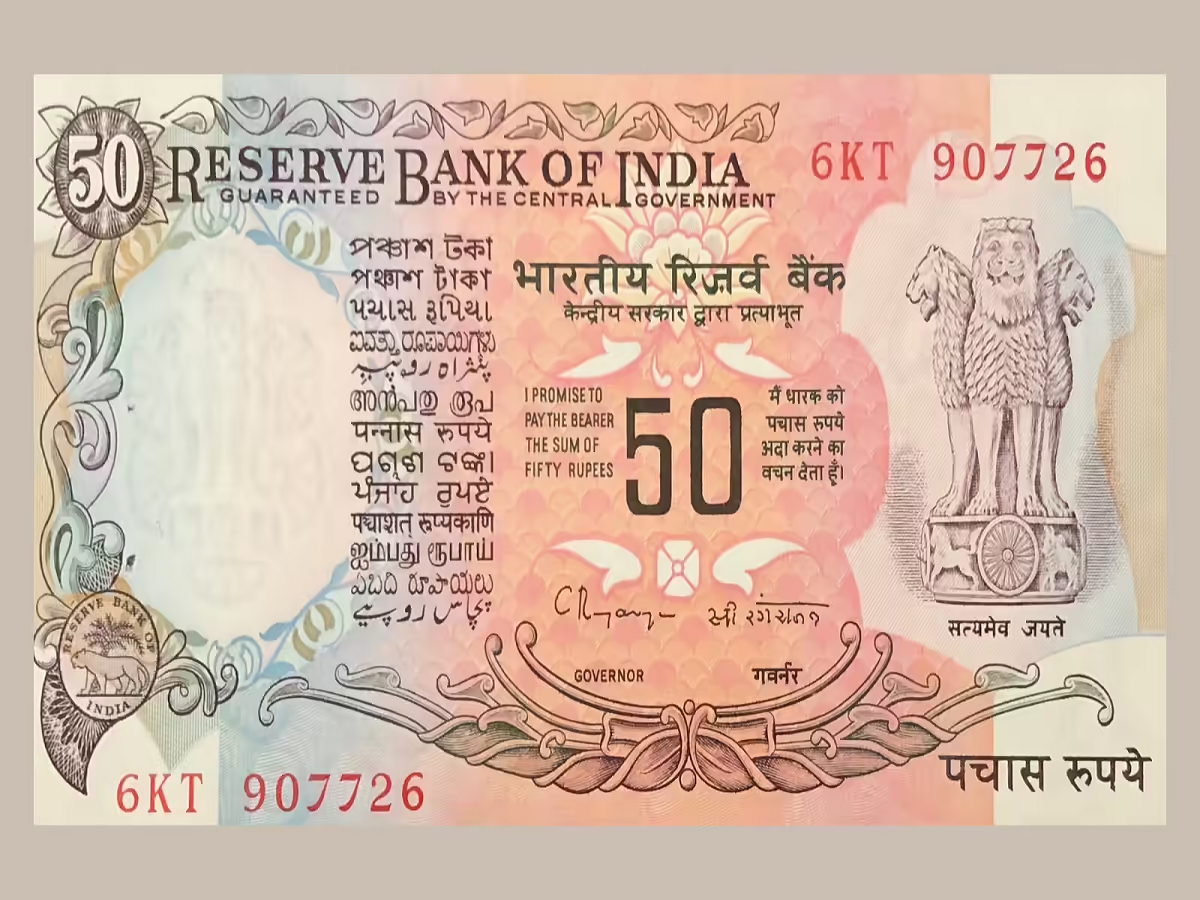
Older-design ₹50 notes that are:
-
In good physical condition
-
Uncirculated or lightly used
-
Featuring rare serial numbers or printing errors
may appeal to collectors. As these notes are no longer printed, their availability is gradually declining, which can increase interest over time. That said, most old notes do not automatically become valuable, and prices depend entirely on collector demand.
Where and How Can Old Notes Be Sold?
Several online collector marketplaces allow individuals to list old notes and coins. The general process includes:
-
Registering as a seller on a reputed platform
-
Uploading clear, high-quality photos of the note (front, back, serial number)
-
Mentioning accurate details about condition and year
-
Negotiating directly with interested buyers
Sellers usually set their own asking price, but checking similar listings helps in setting realistic expectations.
Beware of Fraud and False Claims
Authorities and consumer experts strongly warn against scams related to old currency trading:
-
Do not pay registration or “processing fees” to buyers
-
Never share OTP, Aadhaar, or bank details unnecessarily
-
Be cautious of calls or messages promising guaranteed high prices
-
Always use trusted platforms and verify buyer credentials
Remember, genuine collectors do not demand upfront payments from sellers.
Important Reality Check
Owning an old ₹50 note does not guarantee earnings in lakhs. Only a very small percentage of notes with rare characteristics attract high prices. Most transactions are based on collector interest, condition, and authenticity—not luck.