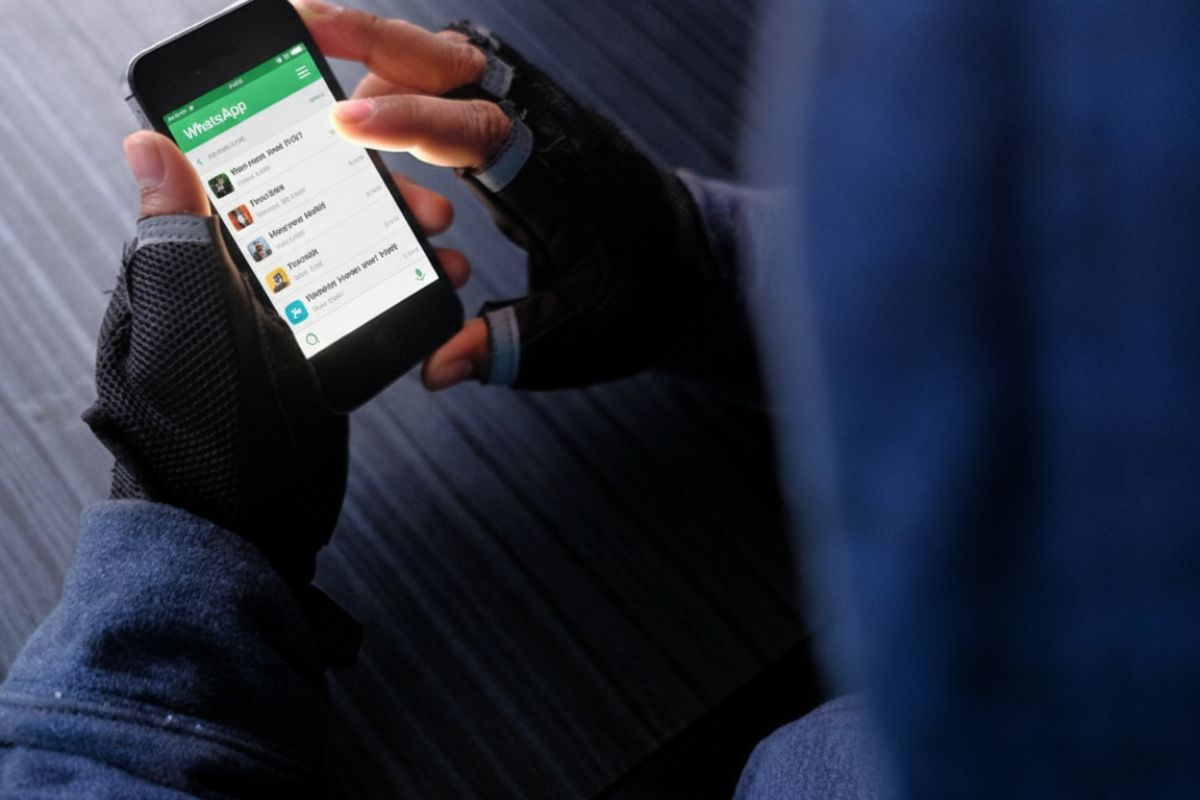
As the New Year approaches, WhatsApp users across the country are flooded with greetings, celebration messages, and party plans. While many of these messages spread joy and excitement, cybersecurity experts are warning that some New Year wishes may actually be scams in disguise. During the festive season, online fraudsters become more active, using WhatsApp as a key platform to target unsuspecting users with fake offers, malicious links, and deceptive messages.
With millions of people relying on WhatsApp to send New Year wishes, scammers see this period as a golden opportunity to exploit trust and emotions. Understanding how these scams work and knowing how to protect yourself can help you enjoy the celebrations without putting your personal data or money at risk.
What Are New Year WhatsApp Scams?
New Year WhatsApp scams refer to fraudulent messages circulated during the festive period with the intention of stealing personal information, financial details, or even taking over user accounts. One of the most common scams involves fake New Year reward or gift offers. Users receive messages claiming they have won cashback, vouchers, or expensive prizes, along with a link that urges them to click immediately.
These links often redirect users to fake websites that closely resemble legitimate platforms. Once there, victims are asked to enter sensitive information such as phone numbers, bank details, or login credentials, which scammers then misuse.
Another popular method involves fake party invitations or event passes. These messages may contain shortened or unfamiliar links that can install harmful software on the phone or lead to unsafe websites. Cyber experts also warn about New Year greeting images and videos that look harmless but may contain malware. Downloading such files can silently compromise your device and allow hackers to steal data in the background.
The Most Dangerous Threat: WhatsApp Account Takeover
One of the most serious WhatsApp scams reported during festive seasons is account takeover fraud. In this case, scammers trick users into sharing the six-digit One-Time Password (OTP), claiming it is required for verification or account security. Once the OTP is shared, the scammer gains full control of the WhatsApp account.
After taking over, fraudsters often impersonate the victim to message friends and family, asking for money or sending more scam links. This not only causes financial loss but can also damage trust and relationships.
How to Identify WhatsApp Scams
Cybersecurity specialists say most scam messages share common warning signs. These include messages that create urgency, promise unusually large rewards, or pressure users to act quickly. Messages coming from unknown numbers, containing spelling mistakes, suspicious links, or requests for OTPs, PINs, or banking information should raise immediate red flags.
It is important to remember that genuine companies, banks, or WhatsApp itself never ask for sensitive information through chat messages. Any request for confidential details should be treated as a potential scam.
How to Stay Safe on WhatsApp This New Year
To protect yourself from New Year WhatsApp scams, avoid clicking on links received from unknown or unverified sources. Never download files or media unless you fully trust the sender. Enabling two-step verification on WhatsApp adds an extra layer of security and significantly reduces the risk of account takeover.
Before trusting any offer or reward message, verify it through the official website or app of the company involved. If a message seems suspicious, use WhatsApp’s built-in reporting feature to report and block the sender. This helps prevent the scam from spreading to others.
As 2026 begins, staying alert and cautious online is just as important as celebrating with loved ones. By recognizing scam tactics and following basic digital safety practices, users can ensure that New Year greetings remain a source of happiness—not harm.