LIFESTYLE
Male Breast Cancer: Yes, Men Can Get Breast Cancer Too! 5 Warning Signs You Should Never Ignore
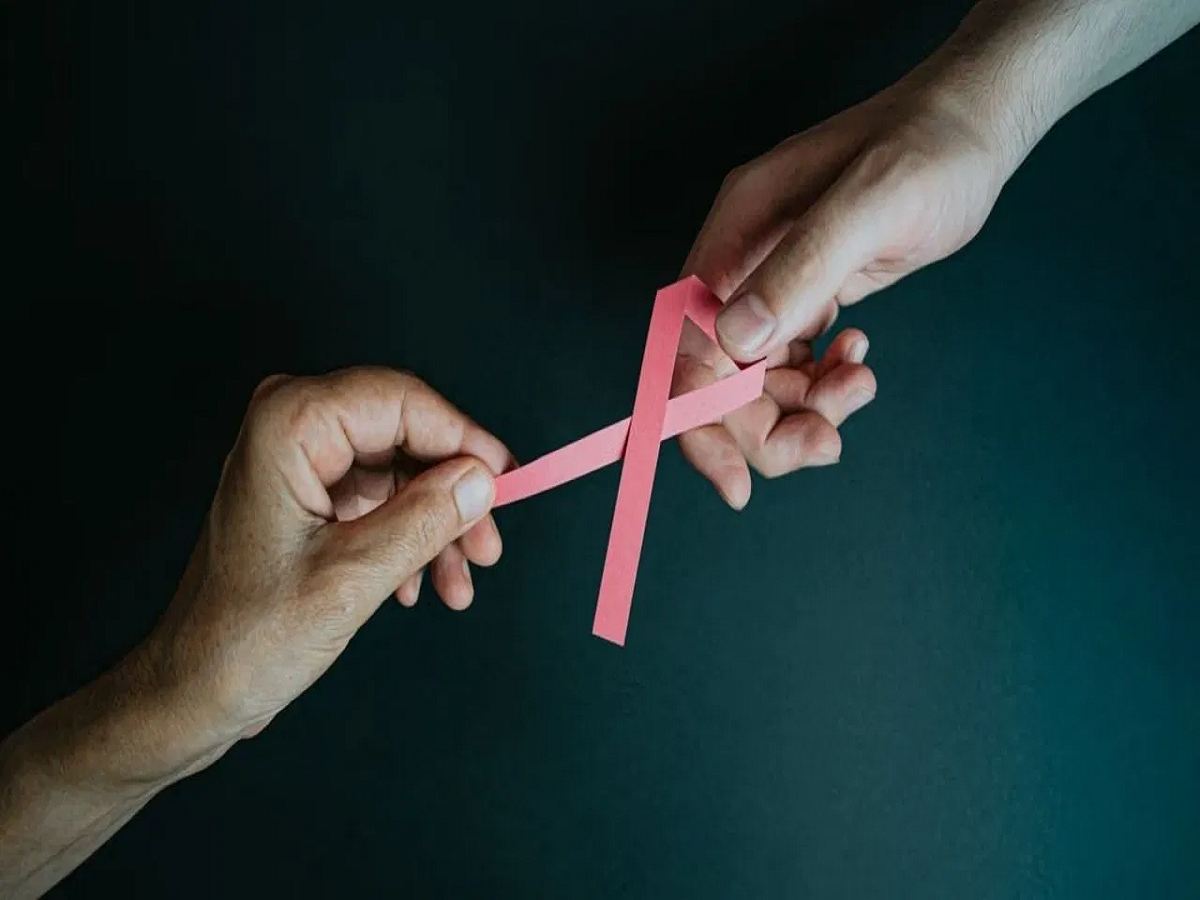
Breast cancer is commonly associated with women, but did you know that men can develop it too? Although male breast cancer is rare, a lack of awareness can sometimes lead to delayed diagnosis and treatment. Understanding the warning signs and seeking medical attention at the right time can make a significant difference.
Breast cancer develops when cells in the breast begin growing abnormally and uncontrollably. According to the World Health Organization (WHO), approximately 0.5–1% of breast cancer cases occur in men. Since many men do not realise they are also at risk, unusual changes in the chest area are often overlooked.
So, what are the symptoms of male breast cancer, who is at greater risk, and when should you consult a doctor? Let's take a closer look.
5 Warning Signs of Breast Cancer in Men
Dr. Abhijeet Kotbagi, Senior Consultant in Surgical Oncology at Yatharth Super Speciality Hospital, Greater Noida, explains that although breast cancer is much less common in men, its symptoms should never be ignored.
Here are five important warning signs to watch out for:
1. A lump in the breast: A new, firm lump in the breast, particularly near the nipple, can be a warning sign. Even if it is painless, it should be evaluated by a doctor.
2. Discharge from the nipple: Unusual fluid or blood coming from the nipple may indicate an underlying problem and requires medical attention.
3. Changes in the nipple: If the nipple begins turning inward, changing shape, or developing unusual changes, it is important to seek medical advice.
4. Changes in breast skin: Redness, dimpling, thickening, or other unexplained changes in the skin around the breast should not be overlooked.
5. Swelling near the armpit: Enlarged lymph nodes in the armpit or around the collarbone can sometimes be associated with breast cancer, although they may also occur for other reasons.
These symptoms do not automatically mean that someone has cancer. However, getting them checked promptly can help identify the cause and ensure appropriate treatment.
Other Changes That May Require Medical Attention
In some cases, breast cancer may be associated with symptoms beyond the breast area, particularly if the disease has progressed.
These may include:
-
Persistent, unexplained bone pain.
-
Unusual swelling around the armpit or collarbone.
-
Unexplained weight loss.
-
Persistent fatigue without an obvious reason.
-
A noticeable loss of appetite.
Such symptoms can occur due to several medical conditions and are not specific to breast cancer. If they persist or occur alongside a breast lump or nipple changes, consult a healthcare professional.
Who Is at Greater Risk of Male Breast Cancer?
Although male breast cancer is uncommon, certain factors can increase the risk.
Family history and genetics: Men with a family history of breast cancer, particularly those with inherited BRCA1 or BRCA2 gene changes, may have a higher risk.
Increasing age: The likelihood of developing breast cancer in men generally increases with age, and the disease is more commonly diagnosed in older men.
Hormonal imbalances: Conditions that alter the balance between oestrogen and testosterone may influence breast cancer risk.
Certain medical conditions: Some conditions affecting the testicles, liver, or hormone levels may increase the risk.
Previous radiation exposure: Men who have received radiation treatment to the chest may have an increased risk of developing breast cancer.
Having one or more risk factors does not mean that a person will necessarily develop the disease. However, individuals with a strong family history or known inherited genetic risk should discuss appropriate screening and monitoring with their doctor.
Can Breast Cancer in Men Be Treated?
Yes. Male breast cancer can be treated, and the choice of treatment depends on the type of cancer, its stage, and the individual's overall health.
Treatment may include surgery, radiation therapy, hormone therapy, chemotherapy, or targeted therapy, depending on the diagnosis.
Early evaluation is important because it can help doctors identify the disease before it progresses and determine the most appropriate treatment plan.
If you notice a new breast lump, nipple discharge, nipple inversion, or unexplained skin changes, do not wait for the symptoms to become painful before seeking medical advice.
Can a Healthy Lifestyle Prevent Breast Cancer?
A healthy lifestyle supports overall health and may help reduce the risk of certain diseases. Maintaining a healthy weight, exercising regularly, eating a balanced diet, limiting alcohol consumption, and avoiding tobacco are sensible steps.
However, these habits cannot guarantee that breast cancer will be prevented. Some risk factors, including age and inherited genetic changes, cannot be controlled through lifestyle choices.
The most important step is awareness. Men should understand that breast cancer, although rare, is possible and that unusual changes in the breast deserve medical attention.
The takeaway: Breast cancer is not exclusively a woman's disease. Recognising the warning signs, understanding personal risk factors, and consulting a doctor about unusual changes can help ensure timely diagnosis and treatment.