Kuttu ka atta, commonly known as buckwheat flour, is a popular choice during Navratri fasting. From crispy puris and parathas to delicious cheelas, it features in many traditional fasting meals. However, concerns about food safety have emerged following reports that 25 people in Rampur, Uttar Pradesh, fell ill with vomiting and diarrhoea after consuming food prepared with buckwheat flour.
The incident highlights the importance of checking the quality and freshness of ingredients before using them. Contamination, improper storage and spoiled flour can pose health risks. Here are five important precautions to take before buying or consuming kuttu ka atta this Navratri.
1. Be Careful When Buying Loose Flour
Loose buckwheat flour may be exposed to moisture, dust, insects or unhygienic storage conditions. If it has been stored for a long time, its quality may also deteriorate.
Whenever possible, purchase flour from a reliable seller who maintains proper storage and hygiene. Avoid flour that looks damp, contains visible insects, has unusual clumps or shows signs of mould.
Remember that loose flour is not automatically unsafe, and packaged flour is not automatically safe. Proper handling and storage matter in both cases.
2. Check the Packaging and Expiry Date
Packaged flour can make it easier to verify product details and trace the manufacturer if a food-safety concern arises.
Before purchasing, check the following:
-
Manufacturing or packing date and best-before information.
-
Whether the package is sealed and undamaged.
-
Manufacturer details and applicable FSSAI licence or registration information.
-
Batch or lot number.
-
Any signs of moisture, leakage or damaged packaging.
Avoid products with missing or unclear labels, damaged seals or expired dates. Buying from a reputable retailer can also reduce the risk of purchasing improperly stored products.
3. Examine the Colour and Texture
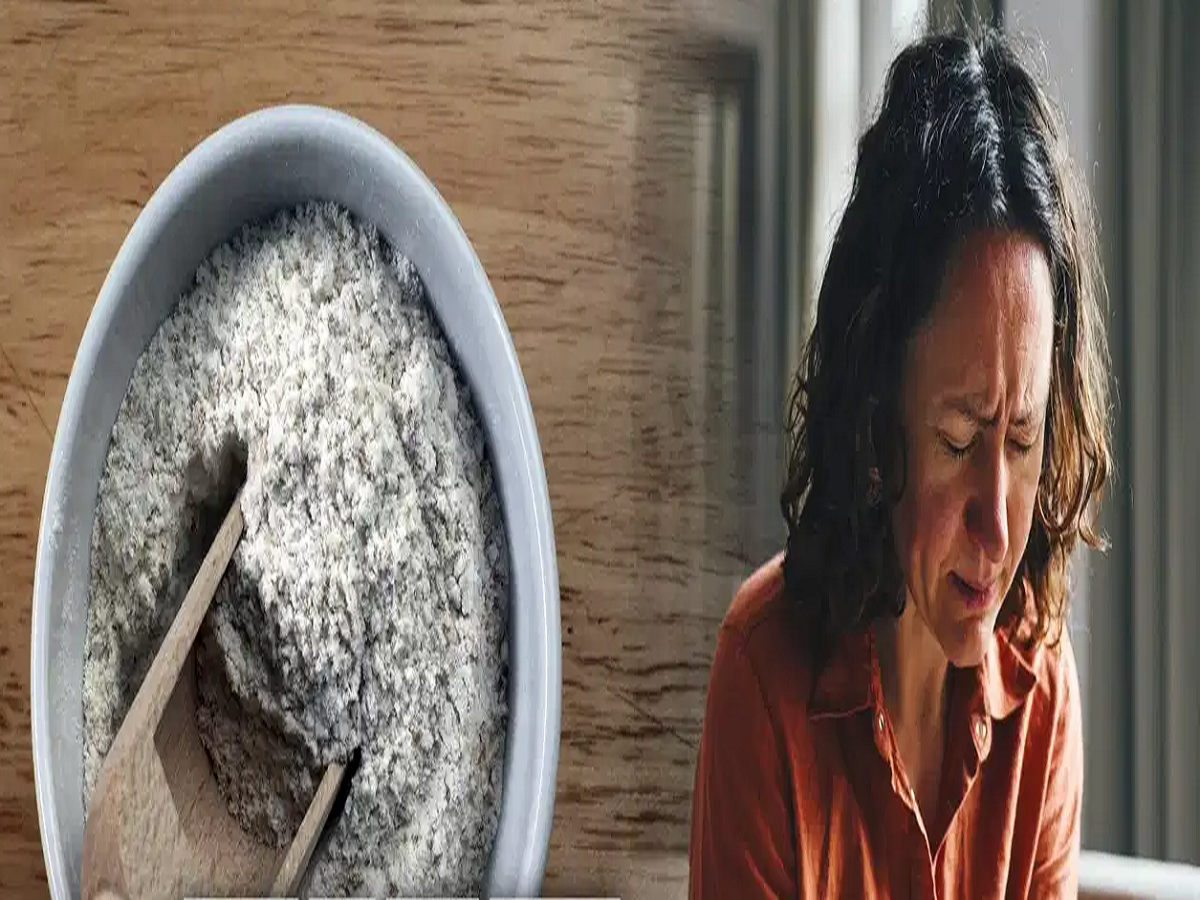
Buckwheat flour generally has a greyish, beige or light-brown appearance, depending on the variety and milling process.
A sudden change in colour, visible mould, unusual patches or evidence of insect activity can indicate a quality problem. However, colour alone cannot establish whether flour is genuine, adulterated or contaminated.
Different varieties and processing methods can naturally produce different shades. If the flour looks significantly different from what you would normally expect, or shows other signs of spoilage, it is safer not to use it.
4. Pay Attention to Smell and Taste
Fresh buckwheat flour typically has a mild, earthy or nutty aroma. An unusual sour, musty, rancid or otherwise unpleasant smell may indicate spoilage or poor storage.
Do not taste raw flour to determine whether it is safe. Raw flour can contain harmful microorganisms, and tasting it is not a reliable way to detect contamination.
If the flour smells unusual, appears mouldy or has an abnormal texture, discard it rather than trying to rescue it through cooking. Normal smell and appearance also cannot guarantee that a product is free from harmful contaminants.
5. Store and Cook Kuttu Ka Atta Properly
Even good-quality flour can deteriorate if exposed to moisture, heat or pests.
Follow these precautions at home:
-
Buy quantities that you can use within a reasonable period.
-
Store flour in a clean, dry, airtight container.
-
Keep it away from direct sunlight, heat and moisture.
-
Follow the storage instructions on the package; refrigeration may help extend freshness in warm or humid conditions.
-
Prepare fasting dishes with clean utensils and safe drinking water.
-
Cook puris, parathas and cheelas thoroughly, and avoid consuming food that tastes or smells unusual.
Do not mix fresh flour with an older batch that may have spoiled, and do not assume that frying or boiling will make mouldy or contaminated flour safe.
Can Kuttu Ka Atta Cause Allergic Reactions?
Yes. Although buckwheat is naturally gluten-free, it can trigger an allergy in some people. Symptoms may include itching, hives, swelling, vomiting or breathing difficulties.
Anyone trying buckwheat for the first time should be aware of the possibility of an allergic reaction. If someone develops difficulty breathing, throat swelling or faintness after eating it, seek emergency medical assistance immediately.
Gluten-free does not mean allergen-free, and buckwheat should not be considered suitable for everyone simply because it is used during fasting.
What Should You Do If You Fall Ill After Eating It?
Vomiting and diarrhoea after a meal may result from foodborne illness, contamination or other causes. If several people become ill after eating the same food, the suspected ingredient should not be consumed again, and the local food-safety authorities should be informed.
Drink safe fluids and seek medical advice if symptoms persist or worsen. Severe dehydration, blood in the stool, high fever, intense abdominal pain or an inability to keep fluids down requires prompt medical attention.
The Bottom Line
Kuttu ka atta can remain part of your Navratri menu, provided you pay attention to its quality, freshness and storage. Check the packaging, inspect the flour, avoid tasting it raw and never consume a product that appears spoiled.
Most importantly, remember that appearance, colour and smell cannot detect every form of contamination. Purchasing from reliable sources and following proper food-handling practices are the best ways to reduce avoidable risks while enjoying your favourite fasting dishes.