LIFESTYLE
5 Traditional Betel Leaf Home Remedies for Changing Weather: What Grandmothers Have Used for Generations
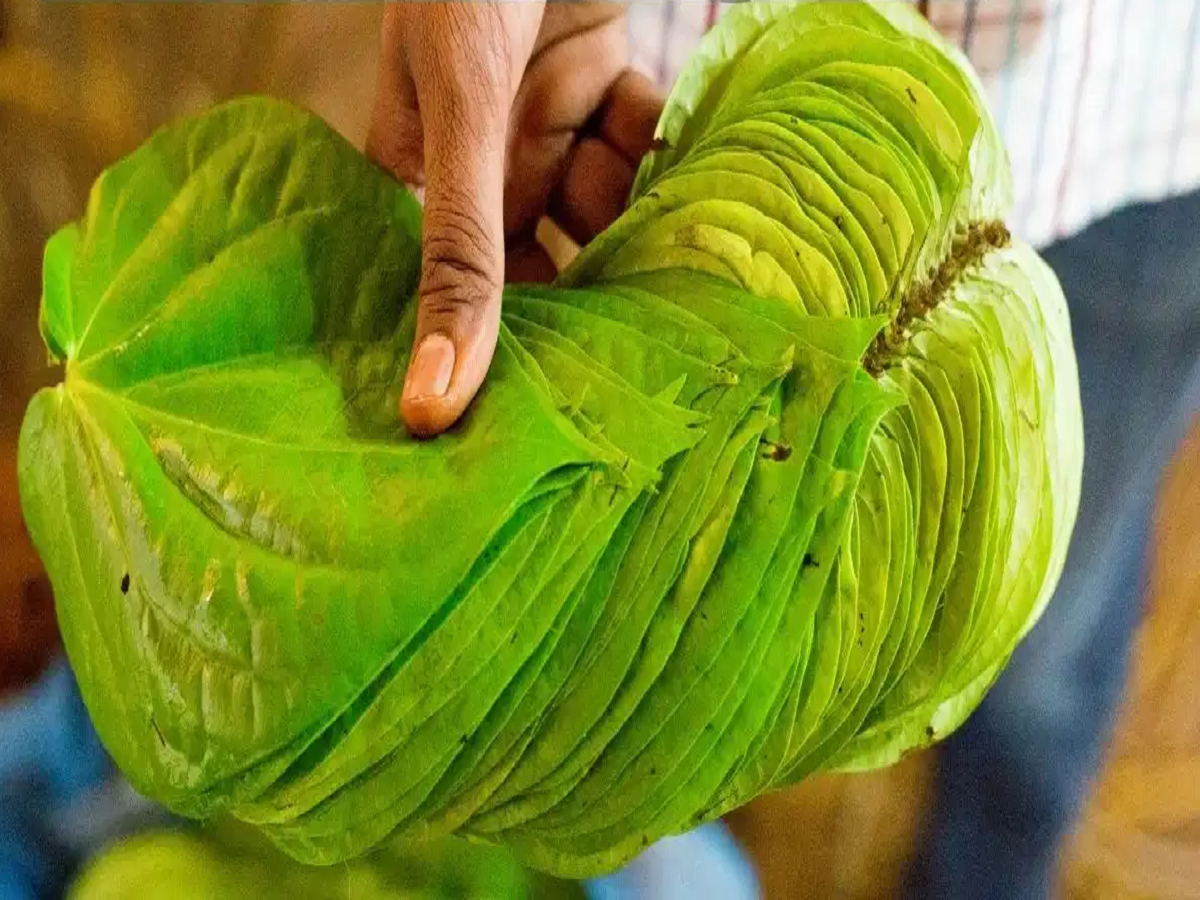
Betel leaves have long held a special place in Indian households, from religious ceremonies and welcoming guests to traditional home remedies. As the weather shifts between warm afternoons and cooler mornings and evenings, many people turn to familiar household ingredients for comfort.
One such ingredient is the betel leaf, commonly known as paan ka patta. Traditionally, it has been used for complaints ranging from throat irritation and digestive discomfort to joint pain. Research has identified bioactive compounds, including polyphenols and terpenes, in betel leaves. However, many of their claimed medicinal benefits still require stronger scientific evidence.
Here are five traditional betel leaf remedies, along with important precautions to keep in mind.
1. Betel Leaf for Throat Irritation
Seasonal changes can coincide with sore throats, coughs and other respiratory symptoms. In traditional households, betel leaves are sometimes combined with ingredients such as basil and black pepper.
A traditional preparation involves placing a few black peppercorns and one or two basil leaves on a washed betel leaf, sometimes with a little mishri, or rock sugar. The ingredients are chewed to release their flavour.
However, this mixture has not been established as a treatment for sore throats or coughs. Warm fluids, adequate rest and appropriate medical advice are more reliable options for managing persistent symptoms.
2. A Traditional Betel Leaf Preparation for Digestive Discomfort
Gas, bloating and a feeling of heaviness after meals are common complaints. Ajwain, or carom seeds, is traditionally used in Indian households to prepare drinks intended to ease digestive discomfort.
One traditional recipe involves simmering a small quantity of ajwain and washed betel leaves in water and reducing the liquid before consuming it.
There is not enough reliable clinical evidence to establish that this preparation improves digestion, constipation or bowel movements. Avoid using it as a substitute for medical evaluation if symptoms are persistent, severe or recurring. Do not give herbal preparations to children without consulting a healthcare professional.
3. Betel Leaf Compress for Joint Discomfort
Warm compresses are commonly used in traditional home care to provide temporary comfort for sore muscles and joints. Some households warm a betel leaf lightly and place it over the affected area.
Any relief may come from the warmth rather than a proven medicinal effect of the leaf. Evidence that betel leaves reduce joint inflammation or treat arthritis is limited.
If you try a warm compress, make sure it is comfortably warm rather than hot. Avoid applying mustard oil or other substances that irritate your skin, and do not use heat on an area that is already hot, significantly swollen or acutely injured without medical advice.
4. Betel Leaf for Chest Congestion
Some traditional remedies involve warming a betel leaf with mustard oil and placing it over the chest. These practices are sometimes used when a person has a cough or feels congested.
However, there is no strong clinical evidence that applying a betel leaf to the chest clears mucus or treats respiratory infections. It should not replace appropriate treatment.
Extra caution is necessary for children. Heated leaves and oils can cause burns or skin irritation, and honey must never be given to infants younger than 12 months. Seek medical care if a child has difficulty breathing, rapid breathing, bluish lips or unusual drowsiness.
5. Betel Leaf and Oral Health: An Important Distinction
Betel leaves have traditionally been used to freshen the breath, and their extracts contain compounds that researchers have investigated for antimicrobial activity. However, laboratory findings do not establish that chewing betel leaves prevents dental disease or treats bad breath.
It is also important to distinguish a plain betel leaf from a prepared paan containing areca nut, tobacco or other ingredients. Areca nut is associated with oral cancer and other serious health risks, even when tobacco is absent. Tobacco-containing paan carries additional dangers. Avoiding these products is the safer choice.
What Does Science Say About Betel Leaves?
Studies have identified several potentially biologically active compounds in betel leaves, prompting research into their antioxidant and antimicrobial properties. Nevertheless, many findings come from laboratory or preliminary studies rather than well-designed human clinical trials.
This means that traditional use alone cannot establish whether a remedy is effective, what dose is safe or whether it is suitable for children, pregnant people or those taking medication.
Precautions to Remember
-
Wash leaves thoroughly before any intended use.
-
Do not consume homemade herbal preparations in excessive quantities.
-
Avoid applying hot leaves or oils directly to the skin.
-
Do not use traditional remedies to delay treatment for persistent or worsening symptoms.
-
Consult a healthcare professional if you have a high fever, severe cough, chest pain, breathing difficulty or ongoing digestive problems.
The Bottom Line
Betel leaves have an important place in Indian traditions, and their natural compounds continue to attract scientific interest. However, traditional remedies for coughs, digestive complaints, joint pain and chest congestion have not been proven to treat these conditions reliably.
You can appreciate these age-old practices while remaining cautious about their claims. For lasting or severe symptoms, evidence-based treatment and timely medical advice remain the safest approach.