LIFESTYLE
Breaking Bad Actor RJ Mitte’s Life With Cerebral Palsy: Understand Its Symptoms, Causes and Treatment
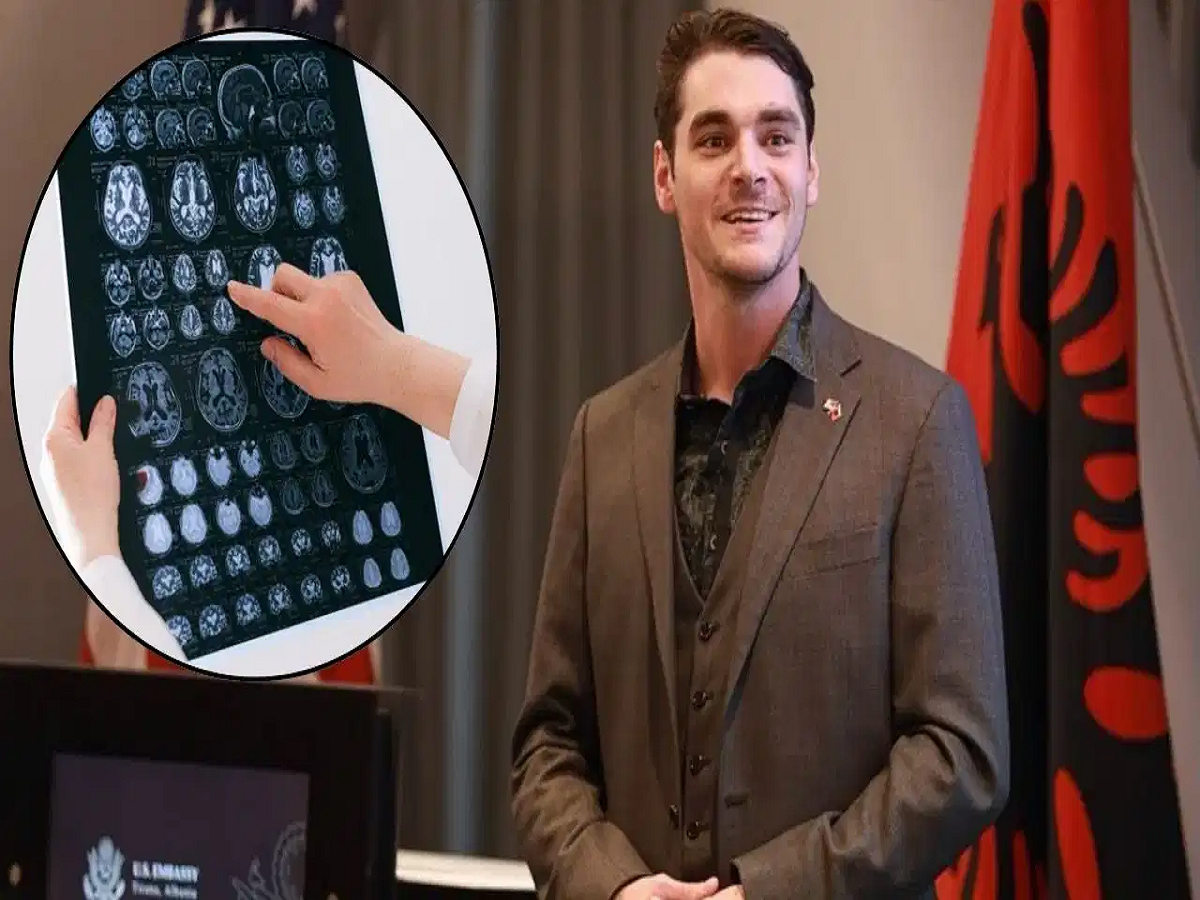
RJ Mitte, widely recognised for playing Walter White Jr. in the popular television series Breaking Bad, has helped raise awareness about cerebral palsy through his acting career and advocacy work. Diagnosed with the condition during childhood, Mitte has spoken publicly about disability and representation, showing that a neurological condition does not have to define a person's ambitions or achievements.
Cerebral palsy is a group of neurological conditions that affect movement, posture and muscle coordination. It usually develops because of damage to, or abnormal development of, the developing brain. Understanding its early signs, possible causes and available treatments can help families seek timely support for affected children.
What Is Cerebral Palsy?
Cerebral palsy (CP) is a lifelong condition that affects how the brain controls muscles and movement. It is considered non-progressive, meaning the underlying brain injury or developmental abnormality does not progressively worsen. However, symptoms and physical challenges can change as a person grows.
The condition varies considerably from one person to another. Some people experience mild difficulties with balance or coordination, while others may need assistance with walking, communication or everyday activities.
Cerebral palsy can also occur alongside other challenges, including speech and swallowing difficulties, vision or hearing problems, epilepsy and learning disabilities. Not everyone with CP experiences these associated conditions.
What Are the Different Types of Cerebral Palsy?
Doctors classify cerebral palsy according to the type of movement difficulties a person experiences.
1. Spastic Cerebral Palsy
This is the most common type. It causes increased muscle tone, making muscles stiff and movements difficult. Children may have trouble walking, bending their limbs or performing everyday tasks.
2. Ataxic Cerebral Palsy
This type primarily affects balance and coordination. A child may appear unsteady when walking, struggle with precise movements or have difficulty judging distances.
3. Dyskinetic Cerebral Palsy
This form causes involuntary movements that may be slow and twisting or sudden and uncontrolled. Muscle tone can fluctuate, making it difficult to maintain a stable posture.
4. Mixed Cerebral Palsy
Some individuals experience characteristics of more than one type, such as muscle stiffness combined with involuntary movements or coordination problems.
Early Signs and Symptoms Parents Should Recognise
Symptoms vary according to the areas of the brain affected and the severity of the condition. Early signs may become noticeable during infancy or as a child develops motor skills.
Common warning signs include:
-
Delays in reaching milestones such as sitting, crawling, standing or walking.
-
Unusually stiff or floppy muscles.
-
Difficulty controlling head movements.
-
Persistent asymmetrical movements or a preference for using one hand unusually early.
-
Unusual posture, scissoring of the legs or difficulty maintaining balance.
-
Feeding, swallowing or speech difficulties.
-
Tremors, involuntary movements or poor coordination.
These signs do not automatically mean a child has cerebral palsy. Other developmental conditions can produce similar symptoms, so professional assessment is important.
What Causes Cerebral Palsy?
Cerebral palsy develops when the brain is injured or does not develop normally during pregnancy, around birth or in early infancy. In many cases, the exact cause cannot be identified.
Possible contributing factors include:
-
Premature birth: Babies born early have a higher risk of certain brain injuries and developmental complications.
-
Brain injury before or around birth: Bleeding, stroke or other damage to the developing brain can contribute to CP.
-
Infections: Certain infections during pregnancy or serious infections affecting an infant, such as meningitis, can increase the risk.
-
Complications involving oxygen or blood flow: Significant disruption of oxygen or blood supply to the brain can cause injury in some circumstances.
-
Genetic factors: Some cases involve genetic changes affecting brain development, although cerebral palsy is not always caused by a genetic condition.
-
Early childhood injury: Serious head injuries and certain illnesses affecting the brain during infancy can lead to cerebral palsy.
It is important to note that cerebral palsy is not always caused by complications during labour or delivery, and its development is not necessarily the result of anything a parent did or failed to do.
How Is Cerebral Palsy Diagnosed?
There is no single test that confirms every case of cerebral palsy. Diagnosis generally involves assessing a child's development, movement patterns, muscle tone and medical history.
Doctors may recommend several investigations, including:
-
Developmental assessment: Evaluates whether the child is reaching expected milestones.
-
Neurological examination: Checks muscle tone, reflexes, posture, balance and coordination.
-
MRI of the brain: Helps identify abnormalities or evidence of brain injury.
-
Vision and hearing assessments: Identify associated difficulties that may require treatment.
-
Genetic testing: May be considered when the history or examination suggests a genetic condition or when the cause remains unclear.
A child's head circumference may also be measured as part of the assessment. An unusually small head size can warrant further investigation, but it is not sufficient on its own to diagnose cerebral palsy.
Early assessment is valuable because timely intervention can help children develop skills and receive appropriate support.
What Is the Treatment for Cerebral Palsy?
There is currently no treatment that reverses the underlying brain injury responsible for cerebral palsy. However, a personalised treatment plan can improve movement, communication, independence and quality of life.
Physiotherapy
Physiotherapy helps improve mobility, balance, strength and flexibility. Exercises and movement training can also help prevent muscle tightness and joint problems.
Occupational Therapy
Occupational therapists help children develop practical skills for everyday life, including dressing, eating, writing and using their hands. They may recommend adaptive equipment when needed.
Speech and Communication Therapy
Speech therapists work on speech clarity, communication and swallowing difficulties. Some individuals benefit from communication devices or alternative communication methods.
Medicines and Other Treatments
Doctors may prescribe medication to manage muscle stiffness, spasms or associated conditions. In selected cases, treatments such as botulinum toxin injections or orthopaedic surgery may help address specific movement problems.
Nutritional support, seizure management and regular assessments by relevant specialists may also be important.
Treatment is usually coordinated by a multidisciplinary team that may include paediatric neurologists, physiotherapists, occupational therapists, speech therapists and orthopaedic specialists.
Can People With Cerebral Palsy Lead Independent Lives?
Yes. The level of independence varies depending on the individual's needs, but many people with cerebral palsy pursue education, careers, relationships, sports and creative interests.
RJ Mitte's acting career and disability advocacy have helped challenge assumptions about what people with disabilities can achieve. His journey also highlights the importance of representation and creating accessible opportunities.
Supportive families, inclusive schools, appropriate therapies and accessible workplaces can make a meaningful difference to the lives of people with cerebral palsy.
The Bottom Line
Cerebral palsy is a lifelong neurological condition that primarily affects movement, posture and coordination. Although it cannot currently be cured, early diagnosis, personalised therapies and ongoing support can help people maximise their abilities and participate more fully in daily life.
Parents who notice persistent developmental delays, unusual muscle stiffness or difficulties with movement should consult a paediatrician rather than waiting for the child to outgrow the symptoms. Early evaluation can help identify the cause and ensure that the child receives the right support at the right time.