TECH
India’s Manufacturing Push: Semiconductor and Auto Component Rules Set for Major Changes Within 60 Days
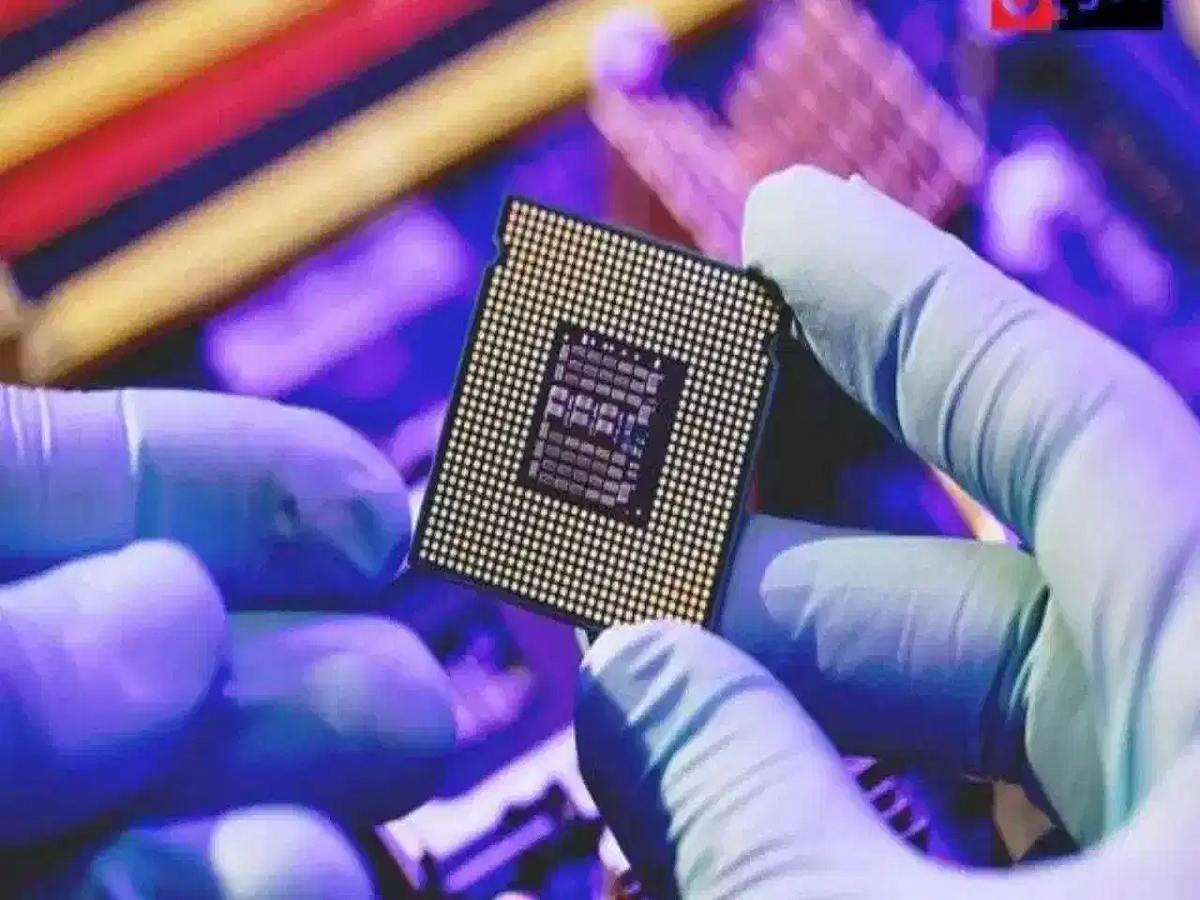
India is stepping up efforts to attract global manufacturers and strengthen its position in the global supply chain. The government plans to amend regulations and introduce new rules within the next two months to address concerns raised by companies looking to manufacture semiconductor equipment and automotive components in India.
Commerce and Industry Minister Piyush Goyal announced the planned changes during a visit to Tokyo, saying the government wants to make the regulatory environment easier for manufacturers while ensuring fair trade practices.
Rules to Be Simplified for Manufacturers
According to Goyal, the government has been working to simplify the Bureau of Indian Standards (BIS) framework and streamline approval procedures.
The changes are intended to address concerns raised by global companies considering manufacturing investments in India. The government wants manufacturers and their suppliers to face fewer unnecessary regulatory hurdles when setting up operations.
Goyal said the government plans to amend existing regulations and introduce new rules within two months to accommodate industry requirements.
Why Semiconductors Are a Major Focus
Semiconductors have become strategically important for India because chips are essential for automobiles, smartphones, telecommunications equipment, consumer electronics, aerospace systems and several other industries.
The government has already approved Semicon 2.0 with a total outlay of ₹1,27,500 crore. The programme is designed to expand India's semiconductor ecosystem beyond chip fabrication and include areas such as chip design, equipment and materials, advanced packaging, research and development, and talent development.
The government says the programme is intended to build a more complete domestic semiconductor ecosystem and strengthen India's position in the global chip industry.
Government Targets Around $50 Billion in Investment
Goyal said the government, together with private-sector and state-level participation, is looking to seed around $50 billion in semiconductor and related industries over the next year to year and a half.
He also indicated that India's semiconductor programme is intended to evolve further, with a future Semicon 3.0 phase expected after the current investment cycle.
This indicates that the government sees semiconductor manufacturing as a long-term industrial strategy rather than a short-term investment programme.
More Fabs and Advanced Packaging
Semicon 2.0 covers several parts of the semiconductor supply chain.
The government's plan includes attracting more fabrication facilities, strengthening advanced packaging and testing operations, encouraging domestic production of semiconductor equipment and materials, and supporting chip design and research.
According to the government, 12 semiconductor projects have already been approved under the earlier programme, involving committed investments of more than ₹1.64 lakh crore. Three facilities have already started commercial production.
Auto Components Could Also Benefit
The regulatory changes aren't limited to semiconductor companies. Automotive component manufacturers are also expected to benefit from efforts to simplify approvals and standards-related procedures.
A stronger domestic auto-component ecosystem could help manufacturers build more resilient supply chains and reduce dependence on imported components.
This is particularly relevant as modern vehicles increasingly depend on electronics, sensors, power-management systems and semiconductor-based components.
India Wants to Go Beyond Being a 'Plus One' Destination
Goyal also rejected the idea that India should be viewed merely as a "plus one" manufacturing destination.
The government's broader objective is to encourage companies to establish deeper manufacturing and supply-chain capabilities in India rather than simply shifting a portion of production away from another country.
At the same time, Goyal indicated that India would continue to protect domestic industries against imports that could undermine fair competition through extremely low or predatory pricing.
What Could These Changes Mean for India?
If the proposed regulatory changes are implemented effectively, they could make it easier for global companies to establish manufacturing operations in India.
For the semiconductor sector, the benefits could extend beyond chip factories to equipment suppliers, materials manufacturers, packaging companies, designers and technology firms. The automotive sector could similarly gain from a stronger local component supply chain.
India's semiconductor strategy is therefore moving toward building an entire ecosystem—from chip design and equipment to manufacturing and advanced packaging. With Semicon 2.0 and the planned regulatory changes, the country is aiming to strengthen domestic manufacturing while becoming a more important part of global technology supply chains.