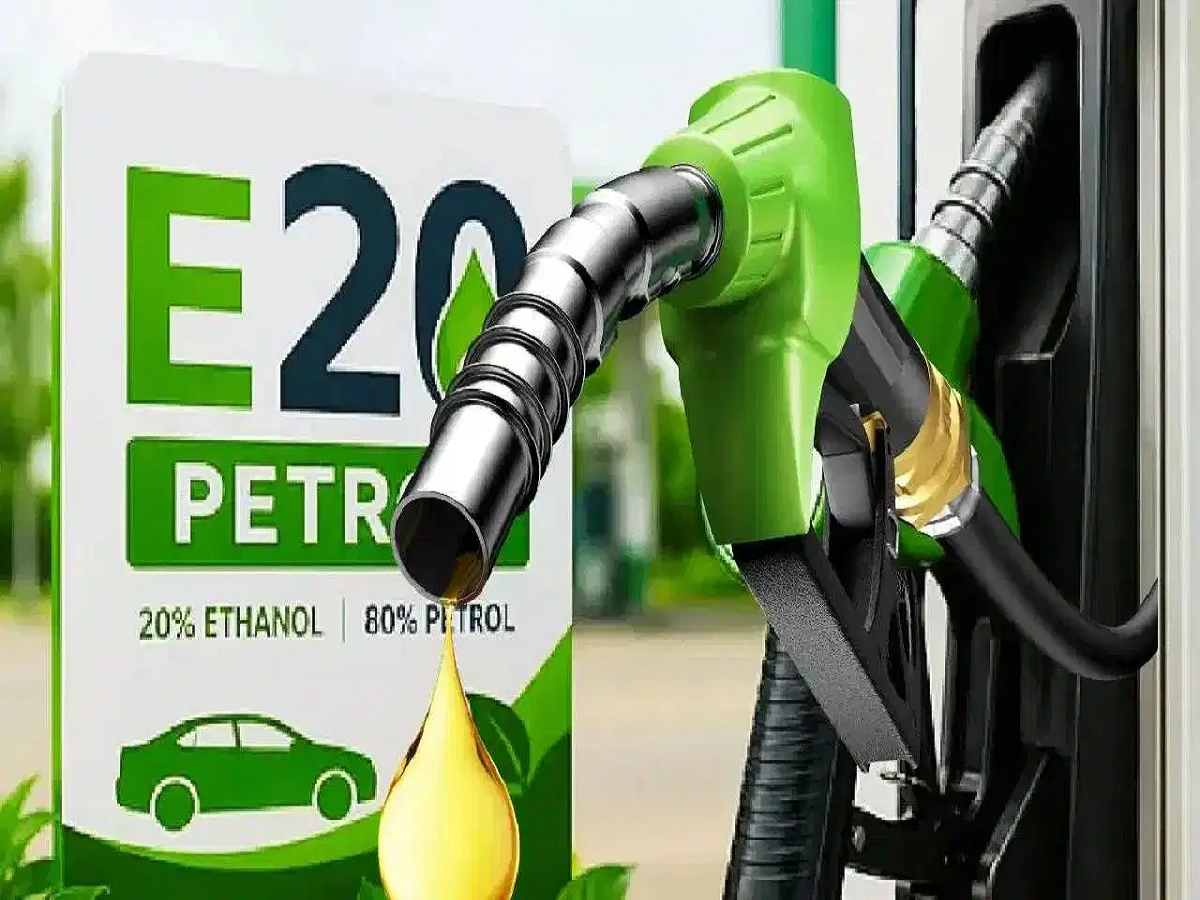
As India expands the use of E20 petrol, the government is looking at stricter quality controls for ethanol-blended fuel. The proposed changes could be important for motorists because they are aimed at ensuring that petrol supplied to vehicles meets tighter contamination limits.
The move comes after concerns from automobile manufacturers about the quality of E20 fuel, particularly the presence of contaminants such as chloride and excessive moisture. The proposed standards are intended to reduce the possibility of corrosion and damage to vehicle components.
Chloride Limit Could Become Mandatory
One of the key changes under consideration is making the existing limit of 3 parts per million (ppm) for chloride contamination in ethanol-blended petrol mandatory.
At present, the limit forms part of voluntary quality standards. The Bureau of Indian Standards (BIS) is reportedly working on making the requirement legally enforceable for oil marketing companies and other participants in the automotive fuel supply chain.
The objective is straightforward: ensure that ethanol-blended petrol supplied to consumers maintains consistent quality and does not contain contamination beyond prescribed limits.
Why Is Chloride Content Important?
Chloride contamination can contribute to corrosion under certain conditions. Automobile manufacturers have raised concerns that poor-quality ethanol-blended fuel, particularly when combined with moisture, could affect fuel-system components and other parts over time.
This has made fuel quality an important issue as E20 becomes increasingly common across India.
Stricter testing and compliance requirements could help ensure that fuel reaching petrol pumps meets the required specifications.
Automobile Industry Raised Quality Concerns
The proposed move follows concerns raised by automobile companies regarding the quality of E20 petrol available in some cases.
According to the concerns cited in reports, fuel samples collected from vehicle tanks have sometimes shown higher-than-desired levels of chloride and moisture. Industry representatives have linked such contamination to an increased risk of component problems.
However, it is important to distinguish between E20 itself and contaminated or off-specification fuel. The proposed standards are aimed at controlling the quality of the fuel rather than suggesting that all E20 petrol is inherently damaging to vehicles.
India Has Already Reached the 20% Blending Target
India has rapidly increased ethanol blending in petrol as part of its efforts to reduce dependence on imported crude oil and increase the use of domestically produced renewable fuel.
The country has now achieved the 20% ethanol blending target five years ahead of the original schedule.
As ethanol blending increases, maintaining consistent fuel quality becomes even more important because millions of vehicles will increasingly rely on ethanol-blended petrol.
What Could the New Rules Mean for Oil Companies?
If the proposed requirements become mandatory, oil marketing companies and other stakeholders in the fuel supply chain would have to ensure that ethanol-blended petrol remains within the prescribed contamination limits.
This could mean tighter testing, monitoring and quality-control procedures throughout the supply chain.
For consumers, the main benefit would be greater consistency in the quality of fuel available at petrol stations.
Could This Help Protect Vehicle Engines?
Better fuel-quality controls could reduce the risk associated with contaminants that may contribute to corrosion or other fuel-system problems.
However, vehicle compatibility with E20 also depends on the vehicle's design, materials and manufacturer's specifications. Motorists should therefore follow their vehicle manufacturer's recommendations regarding the appropriate fuel.
Why This Matters for the Future of E20 Petrol
The quality-control discussion comes at an important time for India's fuel policy. With the country already reaching 20% ethanol blending and policymakers considering higher blends in the future, maintaining strict quality standards will become increasingly important.
Making contamination limits mandatory could strengthen consumer confidence in ethanol-blended petrol while encouraging oil companies to maintain consistent quality across the fuel supply chain.
For motorists, the key takeaway is that the proposed move is focused on making fuel-quality requirements stricter and enforceable, particularly when it comes to contaminants such as chloride. If implemented effectively, the changes could provide an additional layer of protection for vehicles running on E20 petrol.