India's automobile industry is expected to maintain its growth momentum in financial year 2026-27, with two-wheelers and passenger vehicles likely to emerge as the biggest growth drivers.
According to a report by ICICI Direct, both segments could record around 8-10% volume growth in FY27. The positive outlook comes after a strong performance across several vehicle categories in August 2026, when many automakers reported double-digit year-on-year growth.
August Sales Give Auto Industry a Boost
Indian automakers recorded healthy sales volumes in August, with improving demand visible across several categories.
The ICICI Direct report noted that the benefits of GST 2.0 are supporting demand, while retail activity has also remained strong.
Vehicle registration data from the Vahan platform provides another indication of improving demand. Around 2.4 million vehicles were registered in August 2026, compared with approximately 2.07 million in August last year. This represents a growth of around 16% year-on-year.
Bajaj Auto and TVS Lead Two-Wheeler Momentum
The two-wheeler segment delivered an especially strong performance during August.
Bajaj Auto was among the standout performers, with volumes increasing by around 30% year-on-year. Its export volumes jumped 53%, while domestic volumes grew by approximately 10%.
TVS Motor also recorded impressive growth, with volumes rising around 20.5% to approximately 5.9 lakh units. Exports played an important role in this performance, contributing around 29% of the growth.
Meanwhile, Eicher Motors' Royal Enfield division recorded an 11% increase in volumes, reaching approximately 1.26 lakh units.
With these companies entering FY27 on a strong footing, two-wheelers are expected to remain an important contributor to overall automotive growth.
Tata Motors Records Strong Growth in Passenger Vehicles
The passenger vehicle segment also delivered encouraging numbers in August, with Tata Motors recording the strongest growth among its peers.
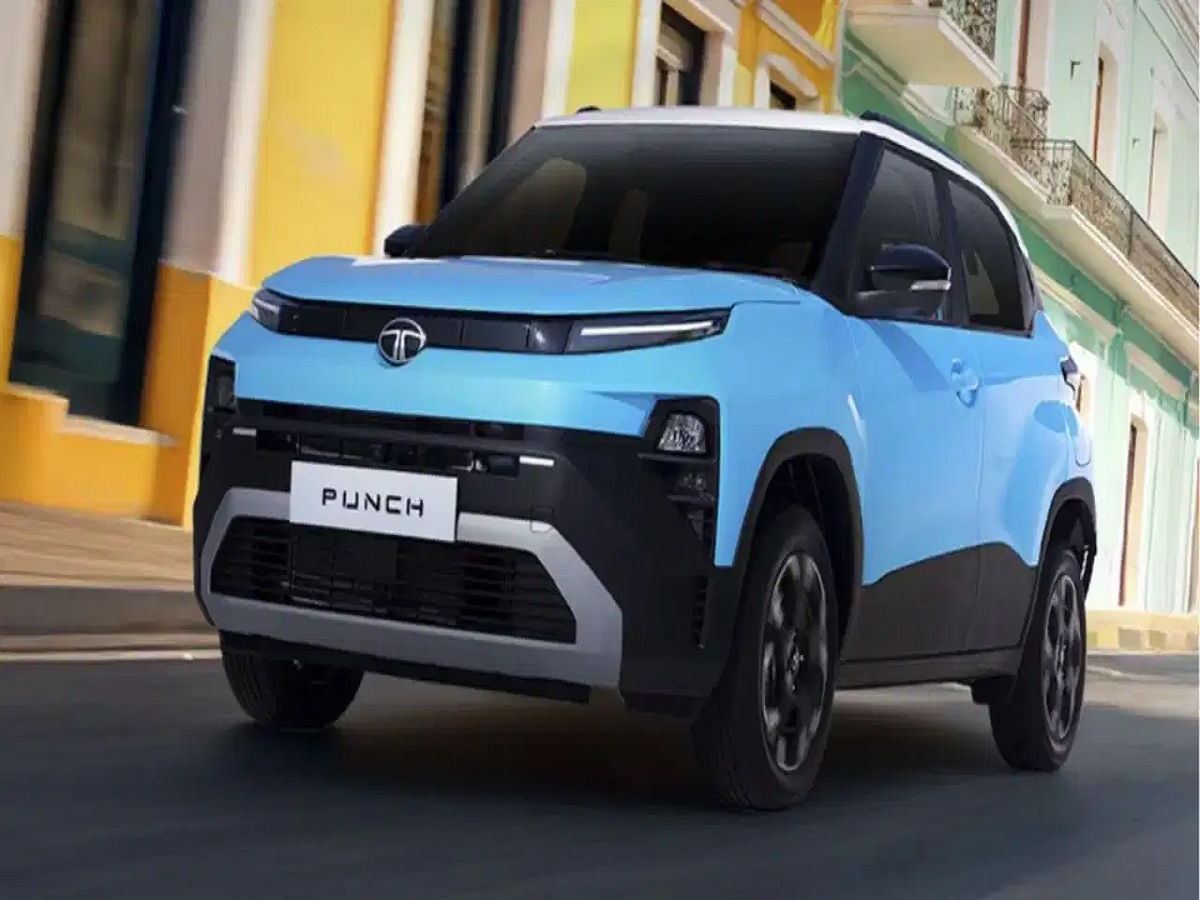
Tata Motors' passenger vehicle volumes increased 56% year-on-year to nearly 68,000 units. The growth was partly supported by a relatively low base from the previous year.
The company's electric vehicle business performed even better. Tata Motors sold 16,549 EVs, representing a remarkable 94% increase year-on-year.
Maruti Suzuki recorded volumes of nearly 216,000 units, up around 21%, while Mahindra & Mahindra's domestic SUV volumes rose approximately 50% to nearly 59,000 units.
The strong performance of SUVs and electric vehicles is expected to remain an important theme for the passenger vehicle industry going forward.
Commercial Vehicles Also Show Signs of Recovery
The commercial vehicle segment also recorded healthy growth in August.
Tata Motors' commercial vehicle dispatches increased by 49% to around 44,000 units. Ashok Leyland recorded approximately 21,000 units, representing 38% growth, while VECV volumes increased 18% to around 8,400 units.
The report also pointed to early signs of recovery in passenger buses, along with continued strength in medium and heavy commercial vehicles.
Improvement in domestic capital expenditure activity and replacement demand from India's ageing vehicle fleet could provide additional support to the commercial vehicle industry.
Tractor Growth Expected to Remain Moderate
The tractor segment, however, was comparatively slower.
Escorts Kubota recorded volume growth of 19% to approximately 10,000 units, while Mahindra & Mahindra's tractor volumes increased 5% to around 29,500 units.
ICICI Direct expects tractor industry growth to remain in the mid-single digits during FY27. A high base from FY26 and expectations of a below-normal monsoon are among the factors that could limit growth.
The report estimates the monsoon at around 90% of the long-period average, which could affect rural demand and tractor sales.
Two-Wheelers and Cars Could Be FY27's Biggest Growth Engines
Overall, the outlook for India's automobile sector remains positive. Strong registrations, improving retail activity and growing demand across several vehicle categories provide encouraging signs for the industry.
However, two-wheelers and passenger vehicles are expected to do much of the heavy lifting in FY27, with estimated volume growth of around 8-10% in both segments.
If demand remains strong and the broader economic environment stays supportive, India's auto industry could maintain its shift into a higher growth gear throughout FY27.