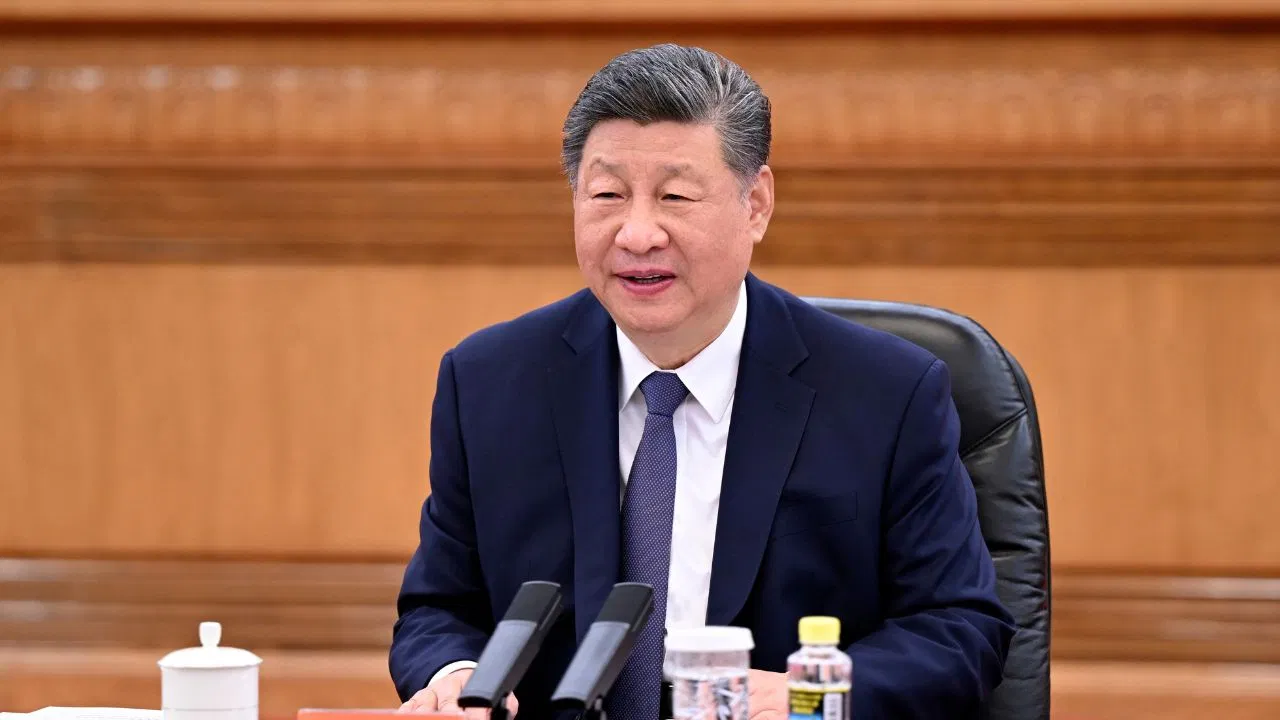
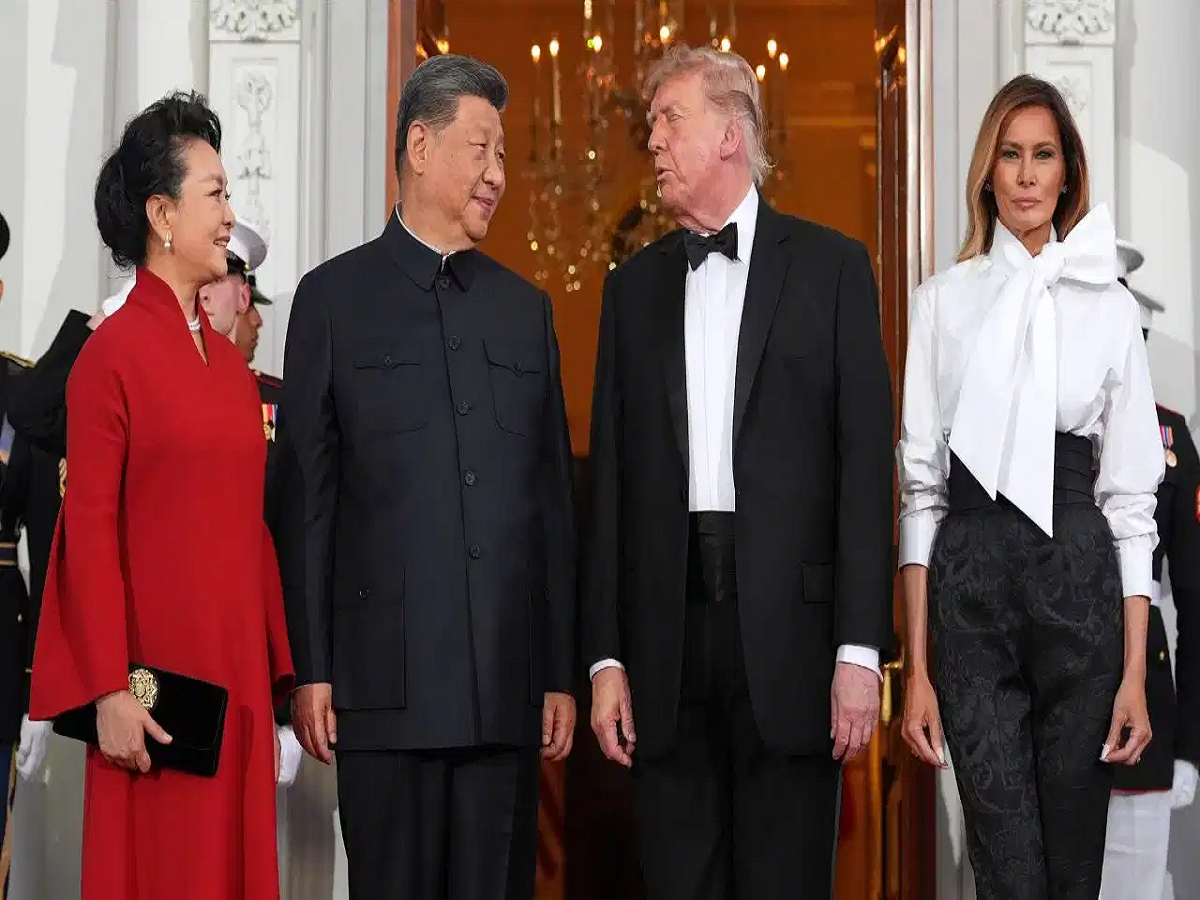
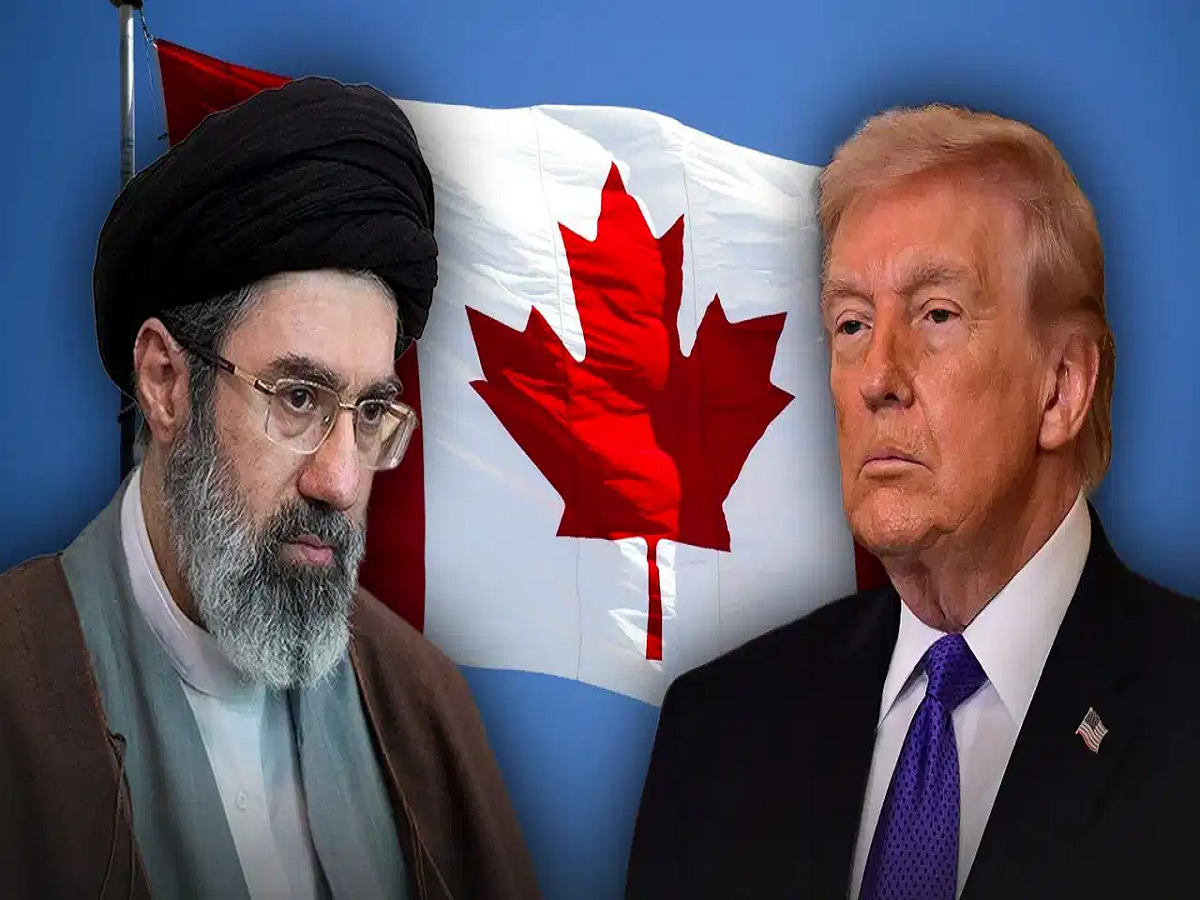
Although China did not directly participate in the ongoing tensions between Iran and the United States, it appears to have gained several indirect strategic advantages. Under the leadership of Xi Jinping, China maintained a low profile while closely observing developments, allowing it to strengthen its position across multiple fronts without direct involvement.
One of the most significant advantages came in the form of military insight. As the United States deployed advanced systems like cruise missiles and missile defense platforms, China had the opportunity to study modern warfare tactics, including the integration of AI and the growing role of low-cost drones against high-value defense systems. Such observations could prove valuable, especially in the context of future regional tensions, including those involving Taiwan.
China also appears to have strengthened its position in the energy sector. Disruptions around the Strait of Hormuz pushed many countries to reconsider their energy strategies, accelerating the shift toward renewables. China, already dominant in solar panels, batteries, and electric vehicles, was well-positioned to benefit from this transition. Its relatively diversified energy mix and reserves helped it remain stable during the crisis.
On the diplomatic front, China’s restrained and relatively neutral approach contrasted with more aggressive rhetoric from other global powers. By supporting dialogue efforts indirectly, it projected itself as a stable and reliable actor, potentially improving its global image and influence among developing nations and even some traditional Western allies.
The situation also created space for technological advancement. With Western nations preoccupied and some projects facing uncertainty, China could continue expanding its capabilities in areas like artificial intelligence and advanced computing. Its already strong infrastructure in these sectors may allow it to narrow the gap further with global competitors.
Another critical area of advantage lies in rare earth minerals. These materials are essential for modern defense systems and electronics, and China already dominates both mining and processing. Increased global demand—especially during conflicts—can reinforce China’s strategic leverage in global supply chains.
That said, the situation is not without risks for China. Prolonged instability in key regions could disrupt global trade and reduce demand in major export markets across Europe and Asia. Even so, by staying out of direct conflict, China has managed to observe, adapt, and potentially strengthen its geopolitical standing without firing a single shot.