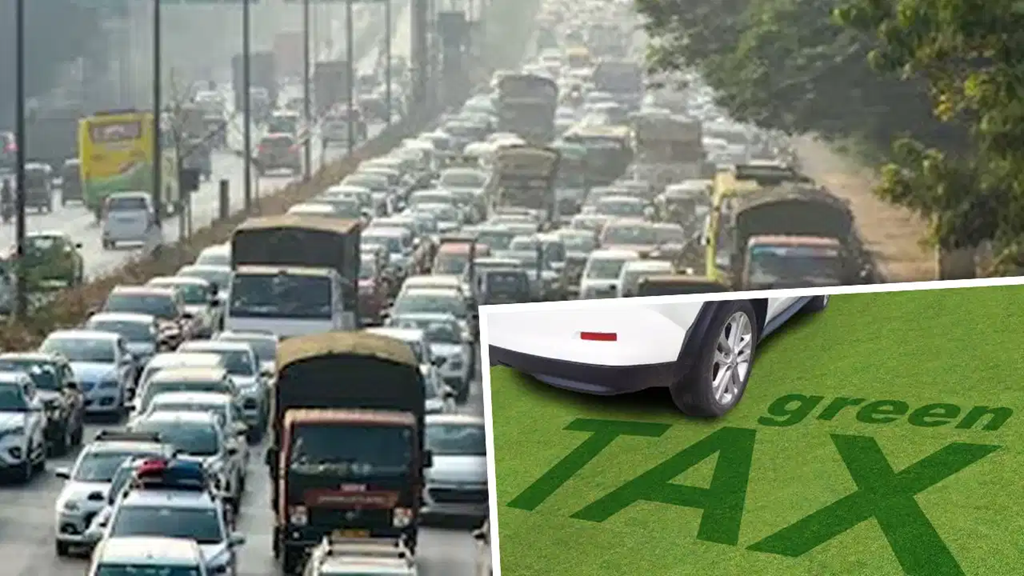
If you own an older car, bike, or commercial vehicle, you've probably heard about Green Tax. While many people view it as just another government charge, its primary purpose is to reduce pollution and encourage the use of cleaner vehicles.
As air pollution continues to be a major concern across India, authorities have introduced measures to limit emissions from aging vehicles. Green Tax is one such initiative aimed at discouraging the continued use of highly polluting vehicles.
What Is Green Tax?
Green Tax is an environmental levy imposed on older vehicles that are considered more polluting than newer models. As vehicles age, their engines and emission-control systems become less efficient, leading to increased emissions of harmful gases and particulate matter.
By charging Green Tax, the government aims to encourage vehicle owners to either upgrade to newer, cleaner vehicles or ensure that their older vehicles meet prescribed fitness standards.
Which Vehicles Are Covered?
In general, Green Tax is applicable to:
-
Commercial vehicles that are 15 years old or older.
-
Certain private vehicles, depending on state-specific regulations.
-
Vehicles seeking renewal of registration or fitness certificates after crossing the prescribed age limit.
Since transport regulations vary across states, the exact applicability and tax amount may differ from one region to another.
When Is Green Tax Charged?
Vehicle owners are typically required to pay Green Tax during:
-
Renewal of vehicle registration.
-
Renewal of a fitness certificate for commercial vehicles.
-
Re-registration of older vehicles in some states.
Authorities may verify a vehicle's age and emission standards before determining whether the tax applies.
Why Did the Government Introduce Green Tax?
The primary objectives behind Green Tax are:
Reducing Air Pollution
Older vehicles generally emit higher levels of pollutants due to wear and tear and outdated engine technology.
Encouraging Cleaner Transportation
The tax incentivizes vehicle owners to switch to newer models that comply with stricter emission norms.
Improving Public Health
Reducing vehicular pollution can help improve air quality and lower health risks associated with poor air conditions.
What Should Vehicle Owners Do?
If you own an older vehicle, consider the following:
-
Keep your registration and fitness certificates up to date.
-
Regularly check state transport department notifications.
-
Ensure your vehicle complies with emission standards.
-
Find out whether Green Tax applies when renewing vehicle documents.
The Bottom Line
Green Tax is not just an additional fee—it is an environmental measure designed to reduce pollution from aging vehicles. Staying informed about vehicle-age regulations, fitness requirements, and tax rules can help you avoid penalties while contributing to a cleaner and healthier environment.