The government is giving another major push to solar energy, with a new initiative focused on expanding solar power along with energy-storage systems. The move could have long-term implications for India's electricity infrastructure and also strengthen the country's shift towards cleaner energy.
New Solar Scheme Gets Government Approval
The government has approved the Pradhan Mantri Surya Sarovar Yojana, which aims to develop 5,000 MW of floating solar capacity supported by energy-storage systems.
The programme is designed to combine solar generation with storage, addressing one of the biggest challenges with renewable energy: solar power is generated mainly during daylight hours, while electricity demand continues throughout the day and night.
Why Is Energy Storage Important?
Solar panels produce electricity when sunlight is available. Without storage, excess electricity generated during the day may need to be supplied to the grid or managed through other mechanisms.
Battery and other storage systems can store electricity and release it when required.
This can help make renewable power more reliable and useful during periods when solar generation is low.
What Does This Mean for Ordinary Consumers?
The new scheme does not mean that every household will immediately receive a new solar system or a reduction in its electricity bill.
However, increasing solar generation and storage capacity could gradually strengthen India's electricity supply and reduce dependence on conventional energy sources.
For households already considering rooftop solar, the government's continued investment in the sector is also a sign that solar and energy storage are likely to become increasingly important in India's power system.
Rooftop Solar Is Also Expanding
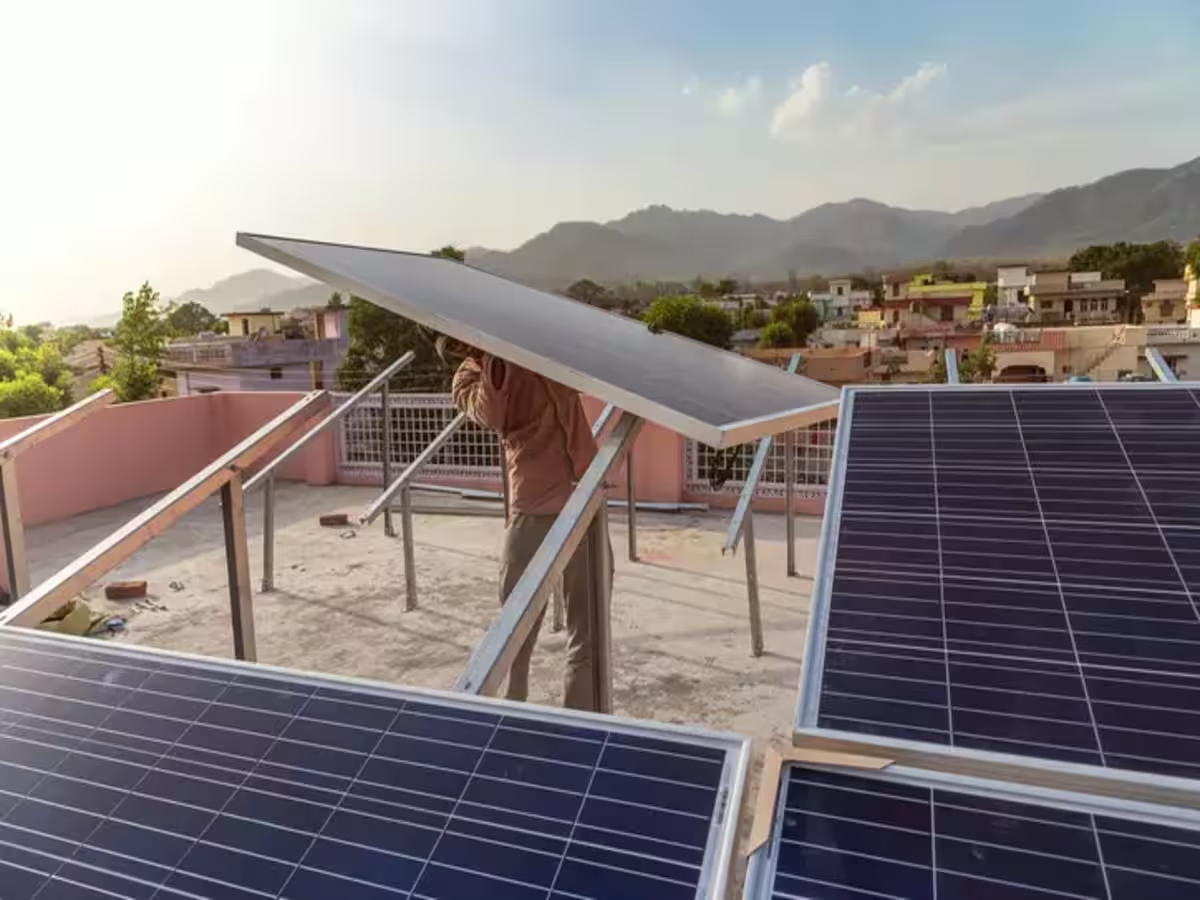
The government's rooftop-solar push is being led in part by the PM Surya Ghar: Muft Bijli Yojana.
Government data indicates that the scheme had benefited 36.8 lakh households by April 2026, showing that residential solar adoption is expanding.
The programme is designed to help households install rooftop solar and reduce their dependence on conventional electricity.
Should You Install Solar at Home?
If you are considering rooftop solar, don't make the decision based only on the advertised subsidy.
First check:
- Your average monthly electricity consumption
- Available rooftop space
- Amount of direct sunlight received
- Current electricity tariff
- Installation cost
- Government subsidy eligibility
- Warranty on panels and inverter
- Whether you actually need battery storage
A household that uses most of its electricity during the daytime may have different requirements from one that consumes most of its electricity at night.
Will Batteries Become More Common?
The government's latest focus on solar combined with storage suggests that energy storage will play a bigger role in India's renewable-energy expansion.
For homeowners, batteries can potentially allow excess daytime solar power to be stored and used later. However, batteries can significantly increase the initial cost of a rooftop solar system, so consumers should calculate the financial benefit before purchasing one.
A Bigger Change Is Coming to India's Power System
India's solar expansion is no longer limited to installing panels. The country is increasingly focusing on the complete ecosystem, including generation, storage and grid integration.
The government's recent solar initiatives also include support for rooftop systems and agricultural solarisation, expanding solar adoption beyond large power plants.
What Should Consumers Do Now?
If you are planning to install rooftop solar, check the latest scheme rules and subsidy eligibility through official government channels before making a payment to an installer.
Compare quotations from authorised vendors, understand the expected electricity generation and calculate the payback period based on your actual electricity consumption.
The biggest takeaway is that solar power is becoming an increasingly important part of India's electricity system. For households, this could eventually mean greater access to rooftop solar, better energy storage options and potentially lower dependence on grid electricity.