BUSINESS
Electricity Bill Alert: New Government Framework Could Change How Power Tariffs Are Managed
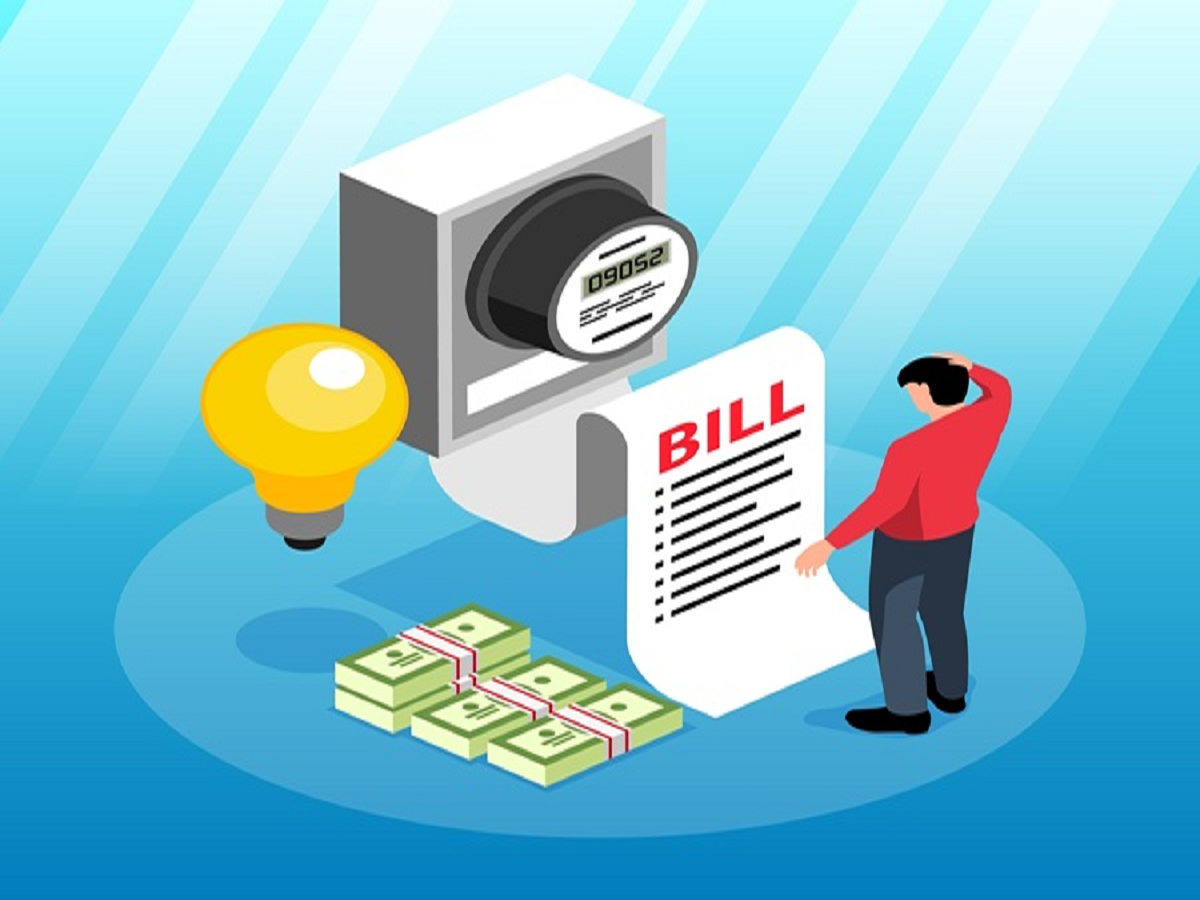
Electricity consumers may see further changes in the way power distribution companies manage tariffs, subsidies and services in the coming years. The government has reiterated its focus on maintaining the financial health of the electricity sector while protecting consumer interests.
The Ministry of Power recently outlined a framework aimed at balancing the financial sustainability of electricity distribution with affordable power for consumers.
Why Is the Government Focusing on Electricity Tariffs?
Power distribution companies need enough revenue to maintain electricity networks, purchase power and invest in infrastructure. At the same time, governments and regulators have to ensure that electricity remains affordable for households.
The government's latest framework focuses on maintaining this balance rather than allowing either side to be ignored.
What Does This Mean for Ordinary Consumers?
The announcement does not mean that your electricity bill will suddenly increase or decrease.
Electricity tariffs are determined through the applicable regulatory process, and rates can differ between states and consumer categories.
However, the government's focus on financial sustainability could encourage distribution companies to improve billing, collection and operational efficiency.
Smart Meters Are Becoming More Important
Another major change happening in India's electricity sector is the expansion of smart prepaid meters.
Unlike traditional meters, smart meters can provide more detailed information about electricity consumption and allow electricity usage and payments to be managed digitally.
The government has been promoting smart metering as part of efforts to improve distribution efficiency and consumer services.
What Should Consumers Know About Smart Meters?
If a smart meter is installed at your home, you should understand:
- How your electricity balance is displayed
- How to recharge the meter
- Whether your connection is prepaid or postpaid
- How emergency credit works, if applicable
- How to check your daily consumption
- Where to raise a complaint if the meter appears incorrect
Consumers should also keep screenshots or receipts of digital electricity payments.
Solar Users Could Also Benefit
The government's electricity reforms are happening alongside a major expansion of renewable energy.
The recently approved Pradhan Mantri Surya Sarovar Yojana aims to develop 5,000 MW of floating solar capacity backed by energy storage.
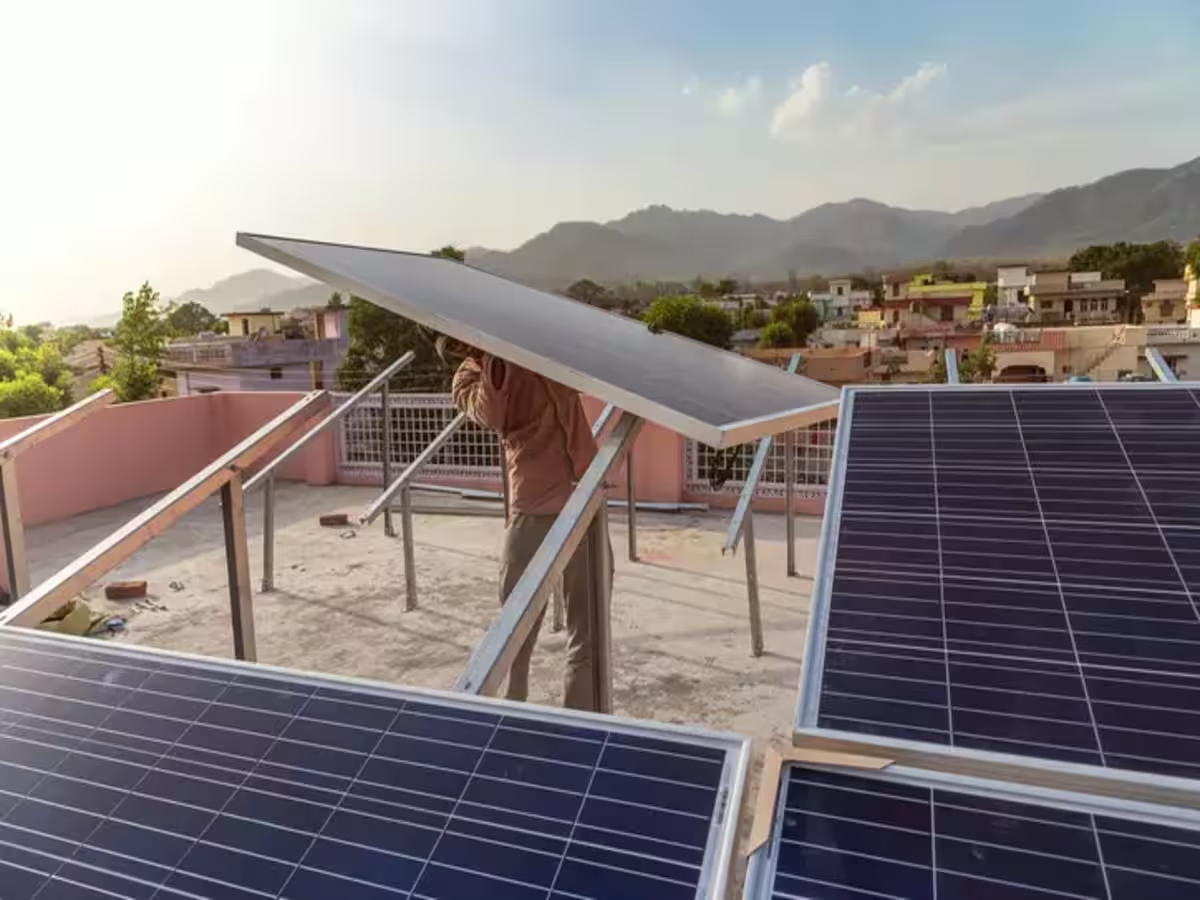
At the household level, the PM Surya Ghar programme is also encouraging rooftop solar adoption. The official rooftop-solar portal currently lists central financial assistance of up to ₹78,000 for eligible residential installations, subject to scheme conditions.
Will Solar Automatically Make Your Electricity Bill Zero?
Not necessarily.
The amount you save depends on your electricity consumption, solar-system capacity, local tariff structure and applicable net-metering or other regulatory arrangements.
A household should therefore calculate its expected generation and savings before investing in a rooftop solar system.
What Consumers Should Do Now
If you receive electricity through a traditional meter, keep an eye on any communication from your distribution company regarding meter replacement or smart-meter installation.
If you are considering rooftop solar, check your eligibility through the official PM Surya Ghar portal rather than relying on private agents or social-media advertisements.
Also make sure that your electricity bill is paid through the official discom website, app or authorised payment channels.
The Bottom Line
The government's latest electricity-sector framework is focused on a long-term challenge: keeping power affordable while ensuring that electricity distribution companies remain financially sustainable.
For consumers, the bigger changes to watch are the expansion of smart meters, digital electricity services, rooftop solar and energy storage. These developments could gradually change how households generate, consume and pay for electricity.